
Michigan Research
When Engineers and Doctors Join Forces - December 2025Michigan’s unique culture of collaboration between engineers and clinicians is producing breakthroughs that reach patients faster—from AI diagnostics to tumor-destroying ultrasound to devices that help newborns breathe. Explore how these partnerships are transforming healthcare.
What’s on This Page
Learning the Language of Nerves
By Eric Shaw
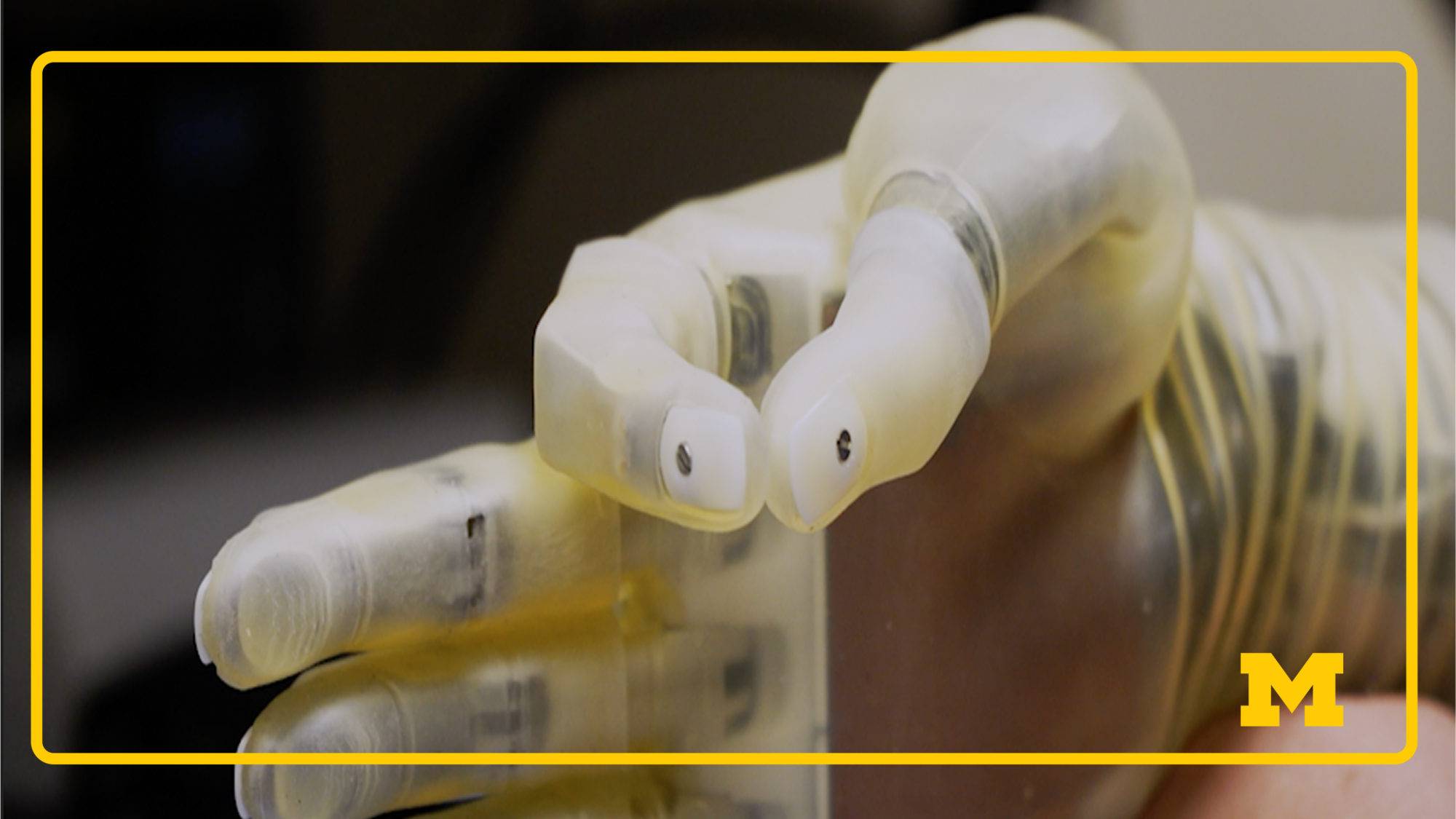
How do you move a robotic hand by thinking? In this short video, U-M engineer Cindy Chestek explains how muscle-graft nerve interfaces—developed with plastic surgeon Paul Cederna—and machine learning translate intent into real-time prosthetic movement.
Engineers and Surgeons, One Mission
By Wendy Sutton
A decade-long partnership between a biomedical engineer and a plastic surgeon is giving amputees the ability to control prosthetic hands with their thoughts. More than 500 patients have already benefited from their work.
AI in healthcare: How engineers and clinicians at U-M are unlocking its potential together
By Nicole Casal Moore
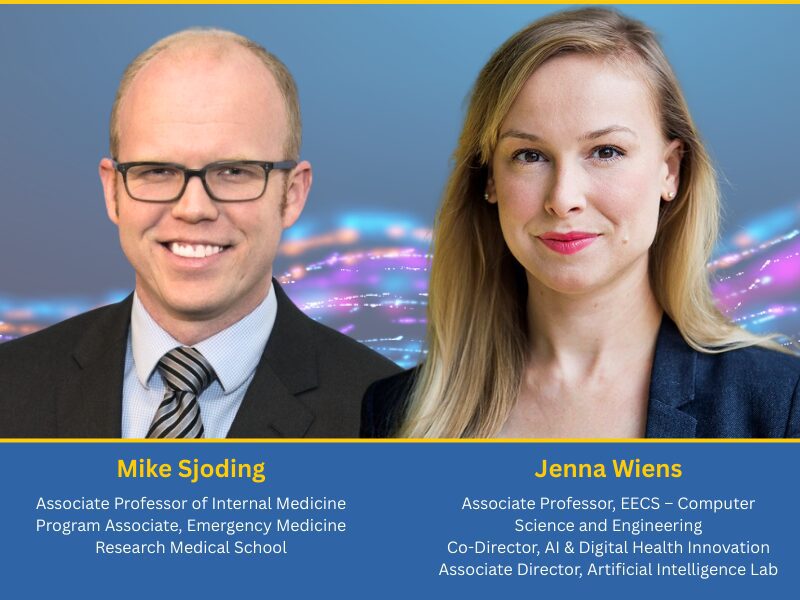
AI is transforming healthcare—but only when engineers and clinicians work together. Two U-M research leaders explain how machine learning is already changing patient care, from early warning systems to AI scribes.
Read more about what they believe is needed to unlock its full potential.
Interdisciplinary approach at U-M transforms patient care and innovation
By Alexi Pierce
Innovation Partnerships
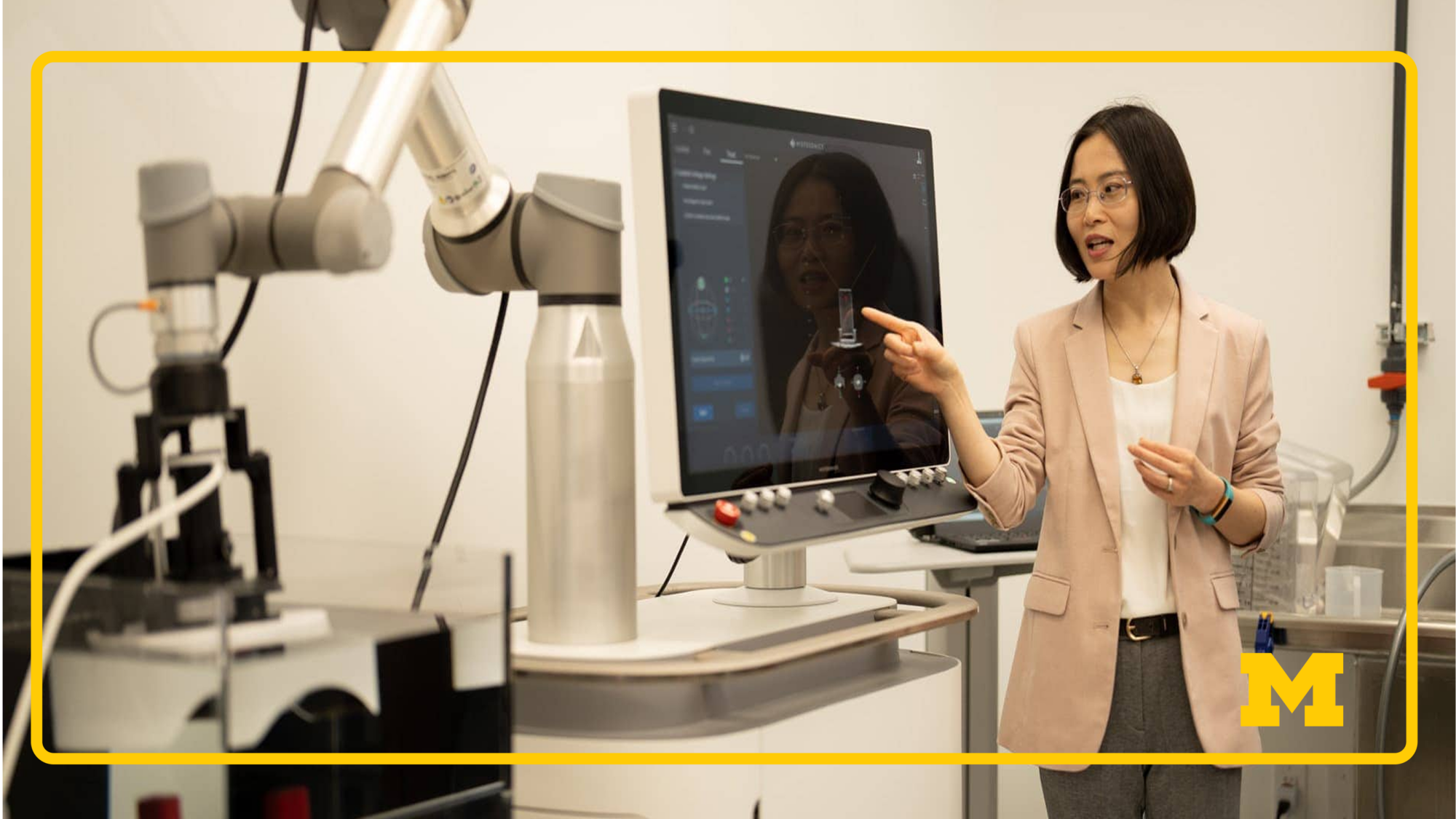
U-M’s culture of collaboration between engineers and clinicians has produced startups now transforming patient care—from tumor-destroying ultrasound to clot-removal systems. In five years, the university has launched more than 130 startups.
Impact Stories: Research at Michigan
Helping babies breathe easier from their very first moments
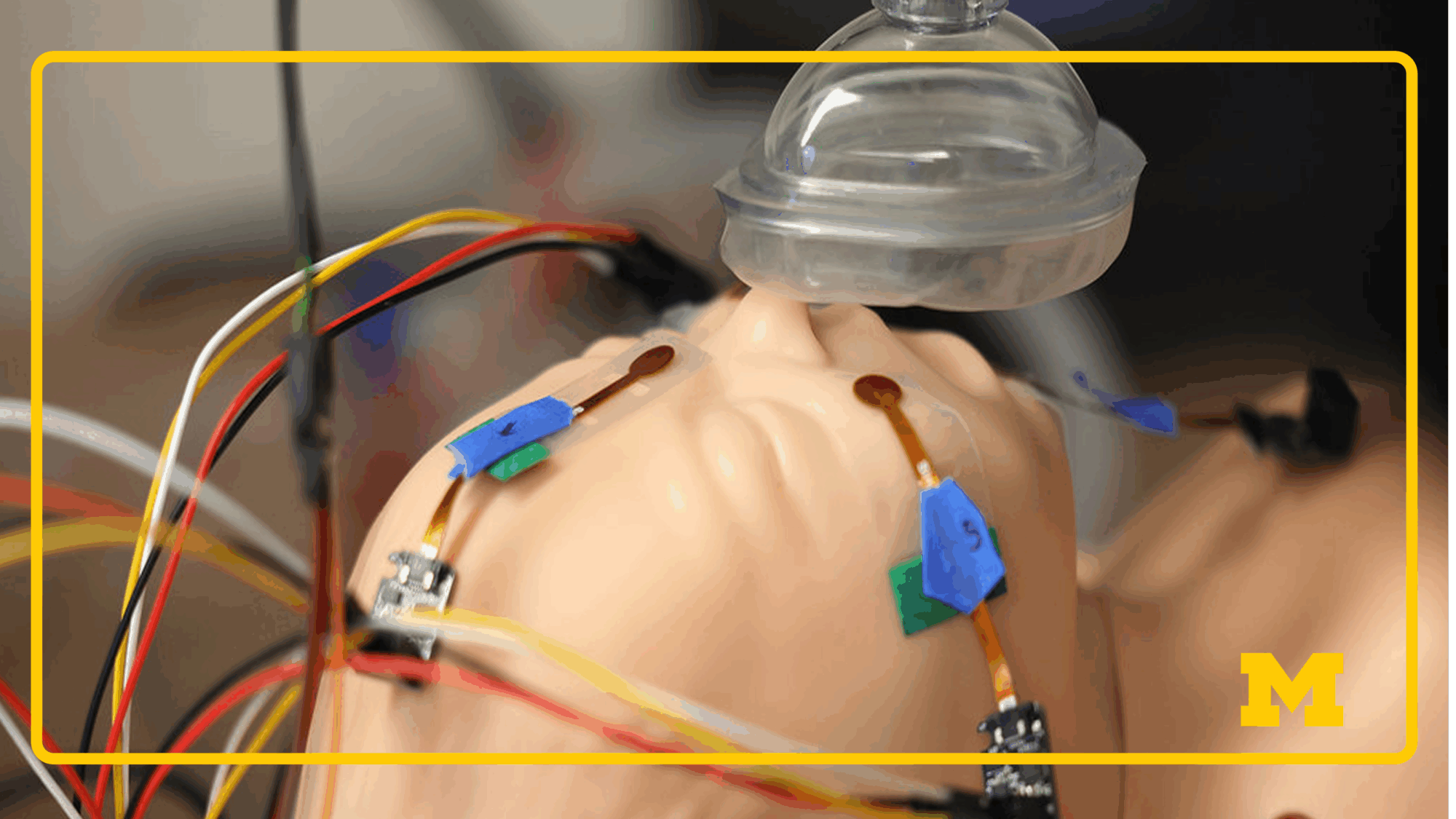
About 400,000 U.S. newborns need help taking their first breath each year. U-M engineers and clinicians have developed new techniques and training tools that could make the procedure safer for babies.
By Jim Lynch
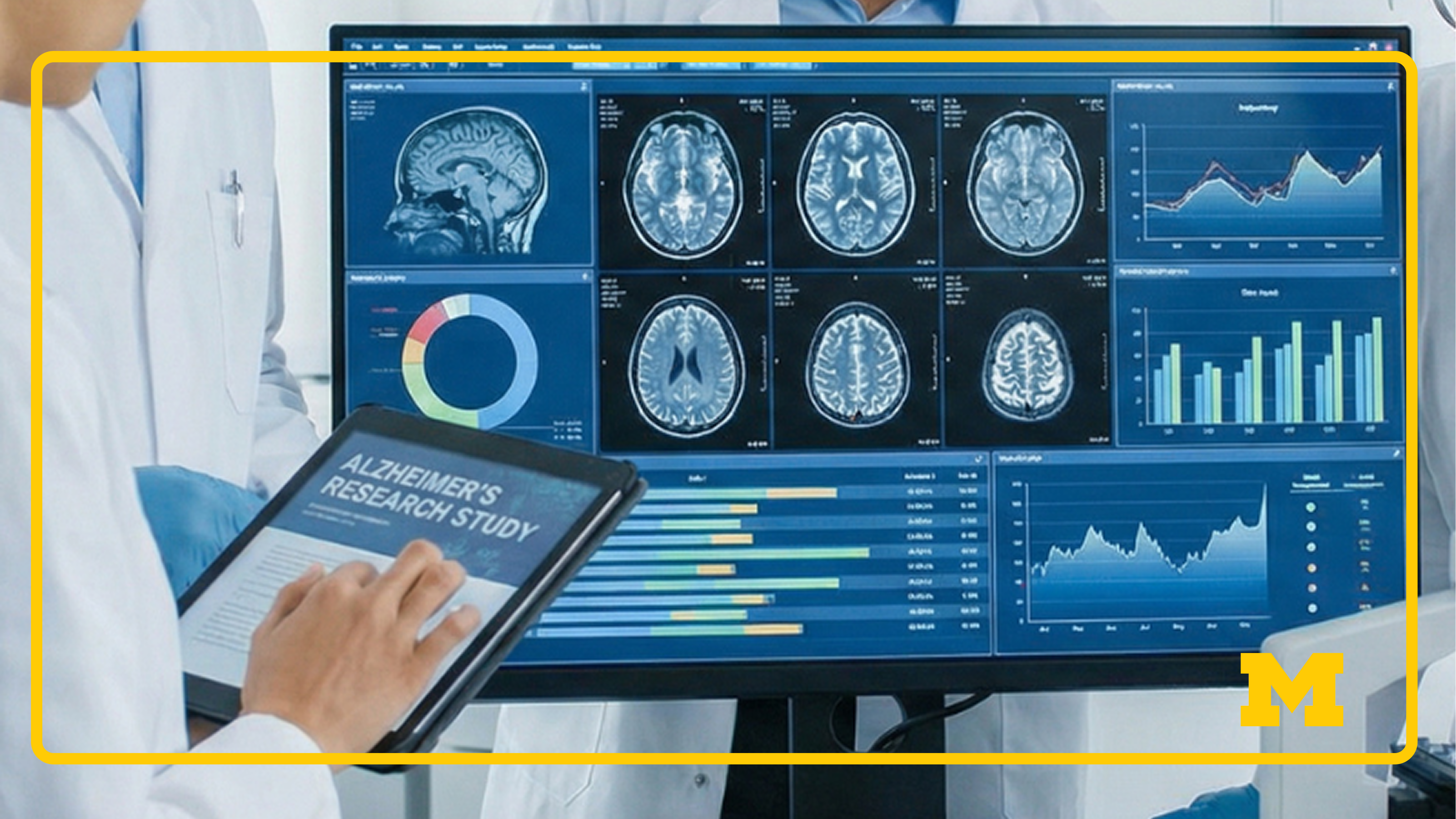
AI powers a new front in the fight against Alzheimer’s
Some people develop Alzheimer’s brain changes yet never lose memory function. U-M researchers are using AI to understand this “cognitive resilience”—and find drugs that could protect others.
By Gabe Cherry
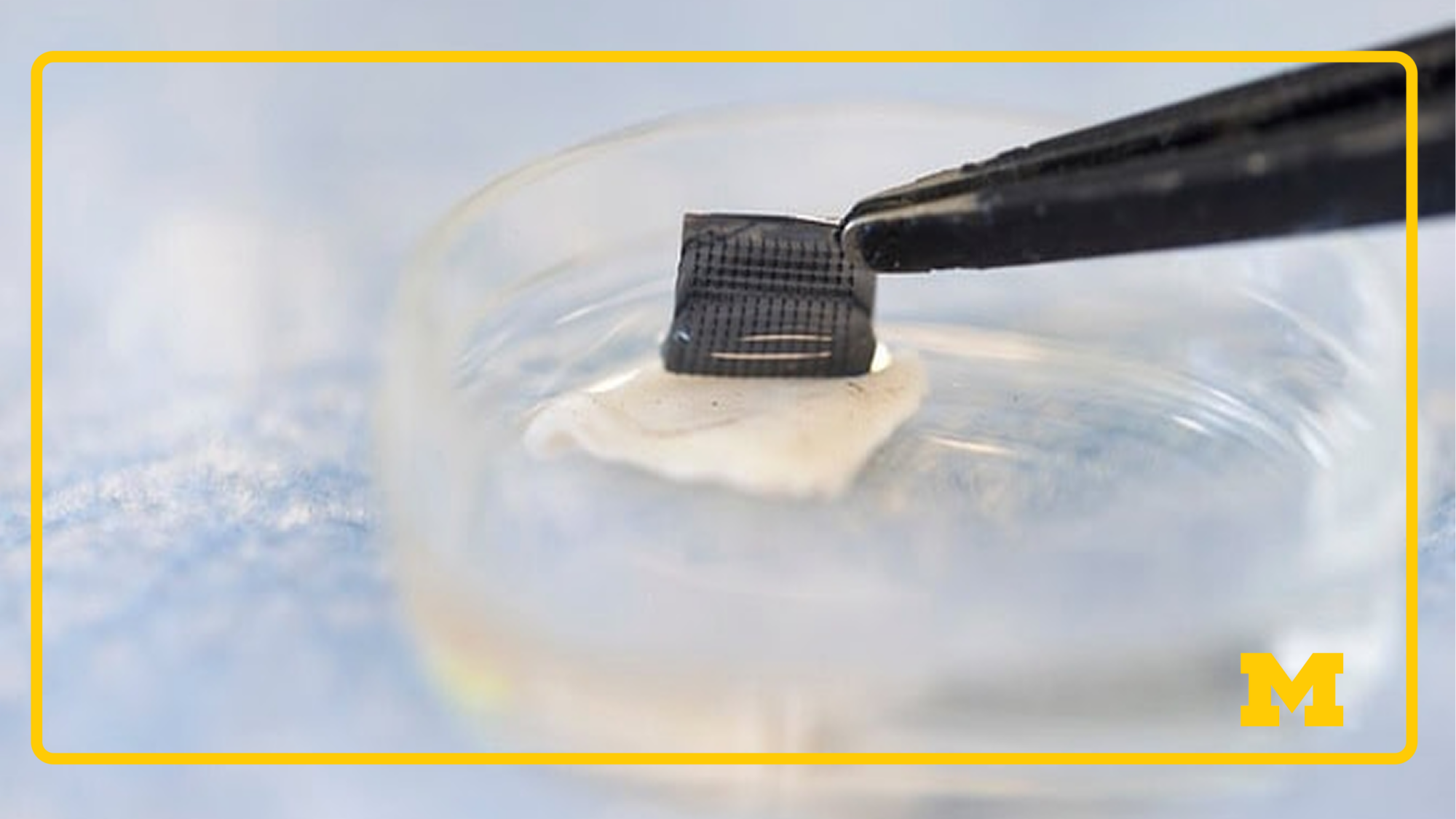
Engineering new tools to push early, less invasive cancer detection
What if detecting melanoma were as simple as an at-home COVID test? U-M engineers and clinicians have developed a microneedle patch that captures cancer markers from skin without drawing blood.
By Michele Santillan
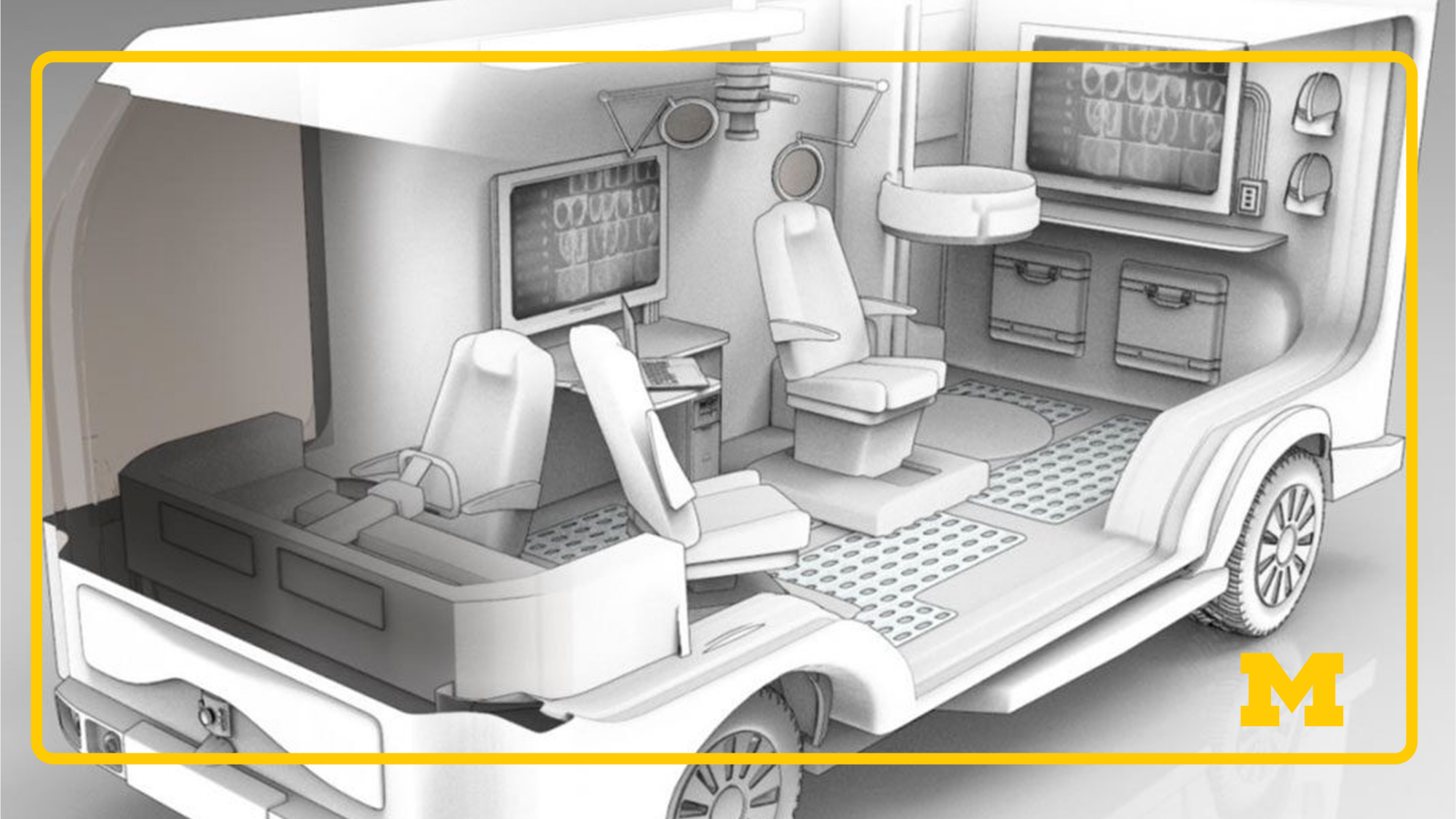
Using AI-powered mobile clinics to improve health care access in rural areas
Rural hospital closures have increased distances to care eight-fold. U-M is leading a $25 million effort to build AI-powered mobile clinics that help generalists perform like specialists.
By Kate McAlpine and Ananya Sen
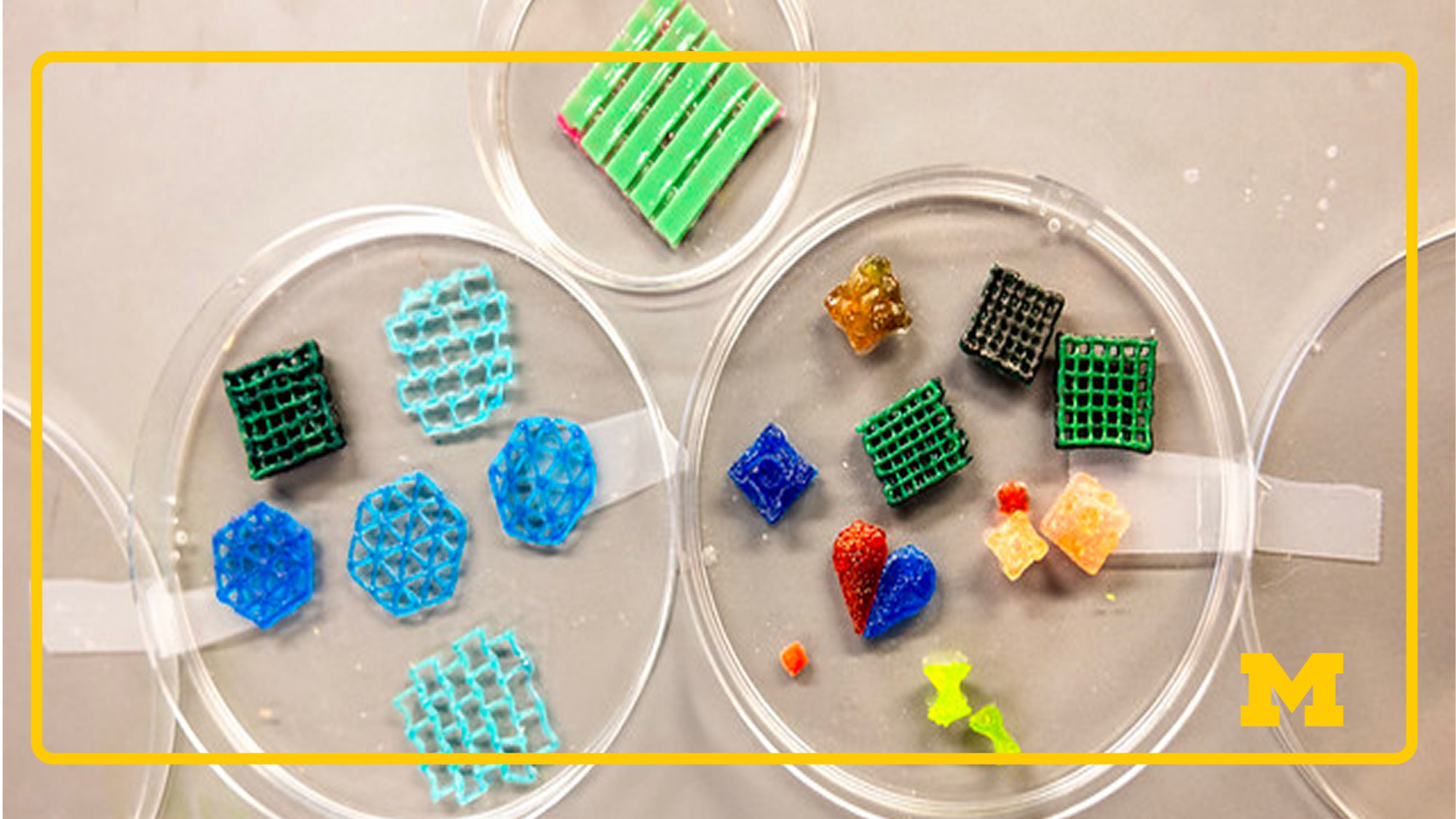
Toughened gummy bear-like materials could replace cartilage, skin and more
U-M engineers have toughened hydrogels—gummy bear-like materials—that could one day replace cartilage, skin and surgical sutures. The programmable materials can deliver drugs, support cell growth and be 3D-printed for individual patients.
By Jim Lynch
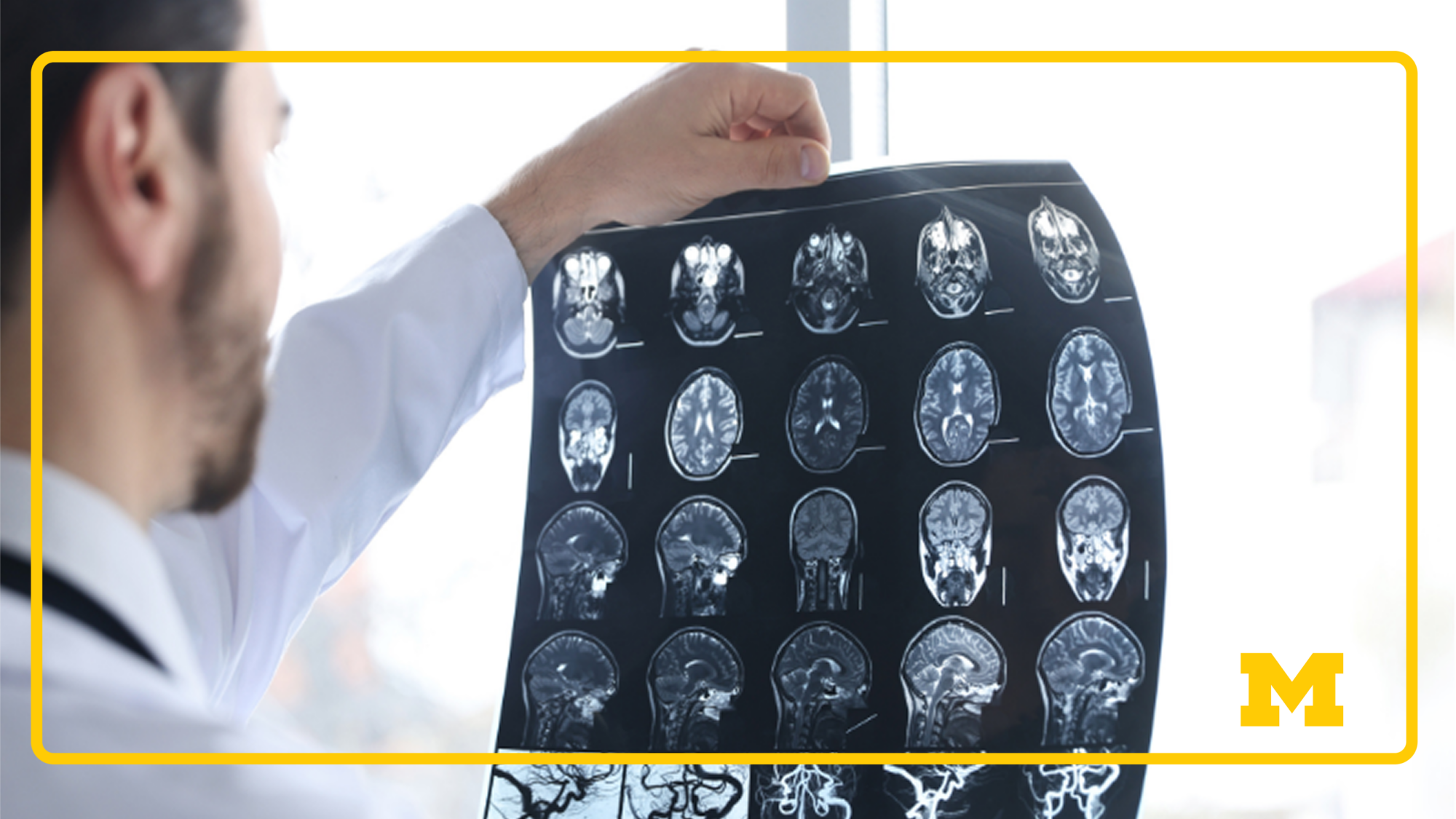
A simple finger prick could help detect traumatic brain injury
A credit card-sized device could detect traumatic brain injury from a finger prick of blood—right when it matters most. Read more about how U-M engineers and clinicians are developing this portable tool to speed diagnosis during the critical “golden hour.”
By Ananya Sen
About Michigan Research
Michigan Research is the University of Michigan’s flagship monthly e-newsletter, produced by the Office of the Vice President for Research. Each edition spotlights groundbreaking U-M research and scholarship that addresses critical challenges, sparks innovation and shapes the future across a range of disciplines.