
Michigan Research
January 2026From tracking food hardship to training neighbors as tech consultants, University of Michigan researchers are working across Detroit, Ann Arbor and beyond to understand poverty’s barriers and test what actually works. Explore this edition featuring Poverty Solutions, a university initiative that partners with communities and policymakers to find new ways to prevent and alleviate poverty through action-based research.
What’s on This Page
Rx Kids’ “cash prescription” aims to give babies a stronger start
Action-based research to prevent and alleviate poverty
Incoming Faculty Director of Poverty Solutions at U-M
Associate Professor of Social Work and Public Policy
Read about the research partnership tackling poverty in our backyards and beyond.
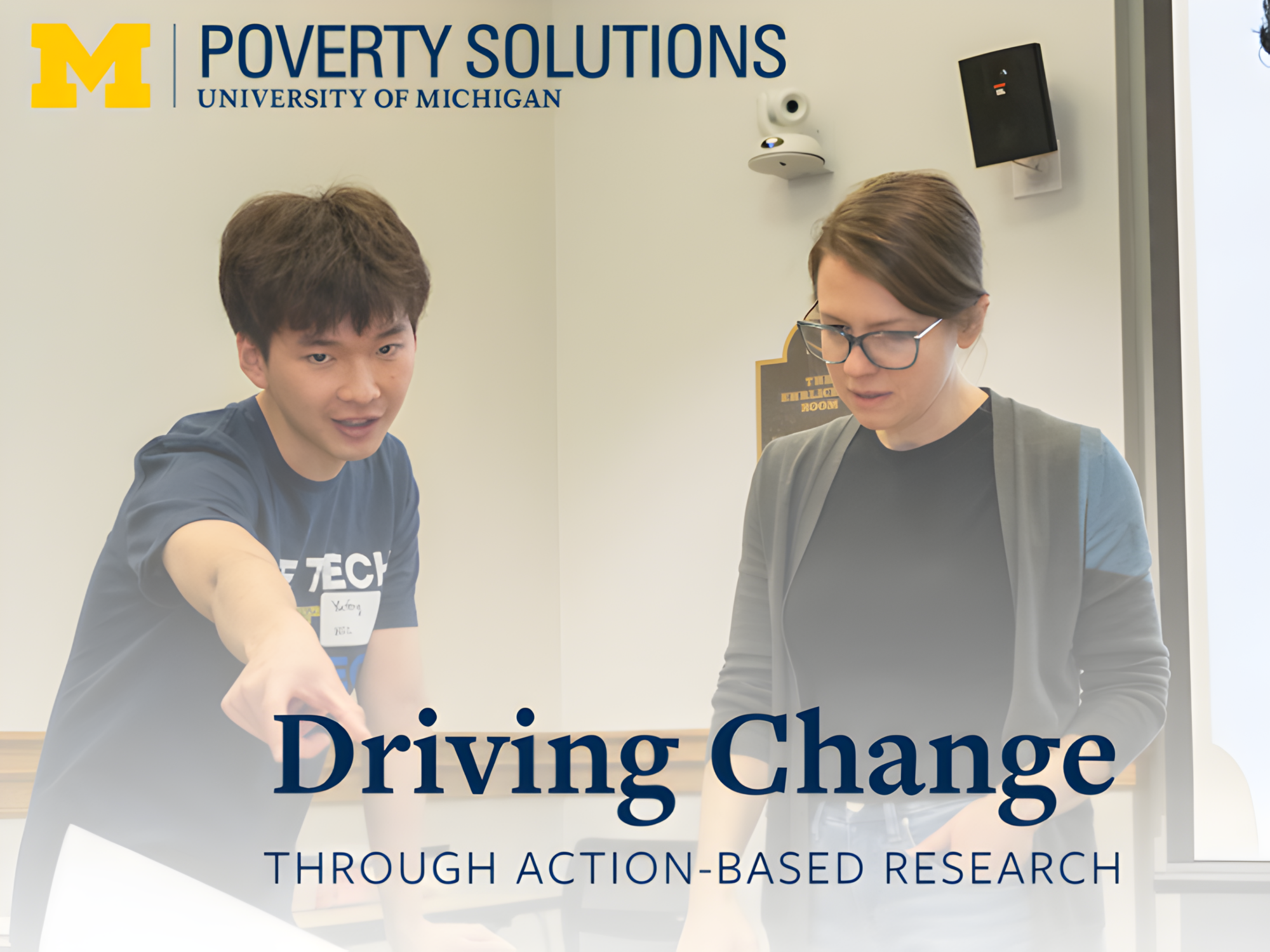
Detroit’s digital divide meets its match in neighbors helping neighbors
Read about closing the digital divide one business at a time.

Impact Stories: Research at Michigan
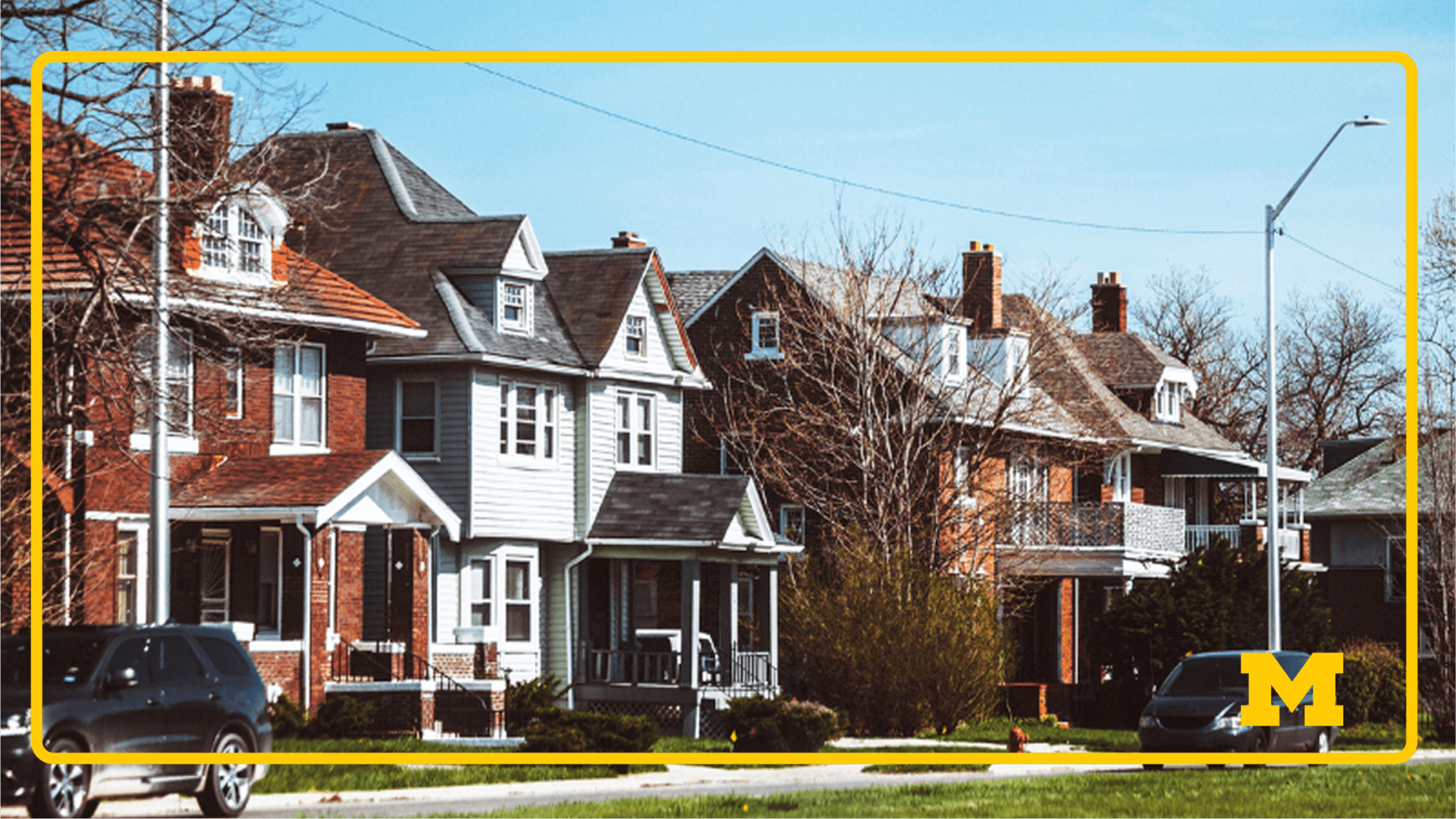
U-M Research Reveals What Actually Keeps Detroit Homeowners in Their Homes
From homeownership programs to repair grants to consumer protection tools, Poverty Solutions has spent nearly a decade building evidence for what actually stabilizes Detroit’s housing market. Read what the research found.
By Eric Shaw

What a guaranteed income pilot reveals about gig workers in Ann Arbor
What happens when gig workers get $528 a month with no strings attached? They spend it on necessities—and something harder to measure shifts too. Read about Ann Arbor’s guaranteed income pilot.
By Eric Shaw
Ten Years of Listening to Detroit
When COVID hit, U-M researchers had answers within days—because they’d been listening to Detroit for years. Read about a decade of surveys shaping decisions across the city.
By Eric Shaw
When AI Meets Poverty: U-M Researchers Chart a New Course
AI could help families find housing before eviction strikes—or deepen the inequalities they already face. A U-M team maps both possibilities. Read about charting a new course where AI meets poverty.
By Eric Shaw
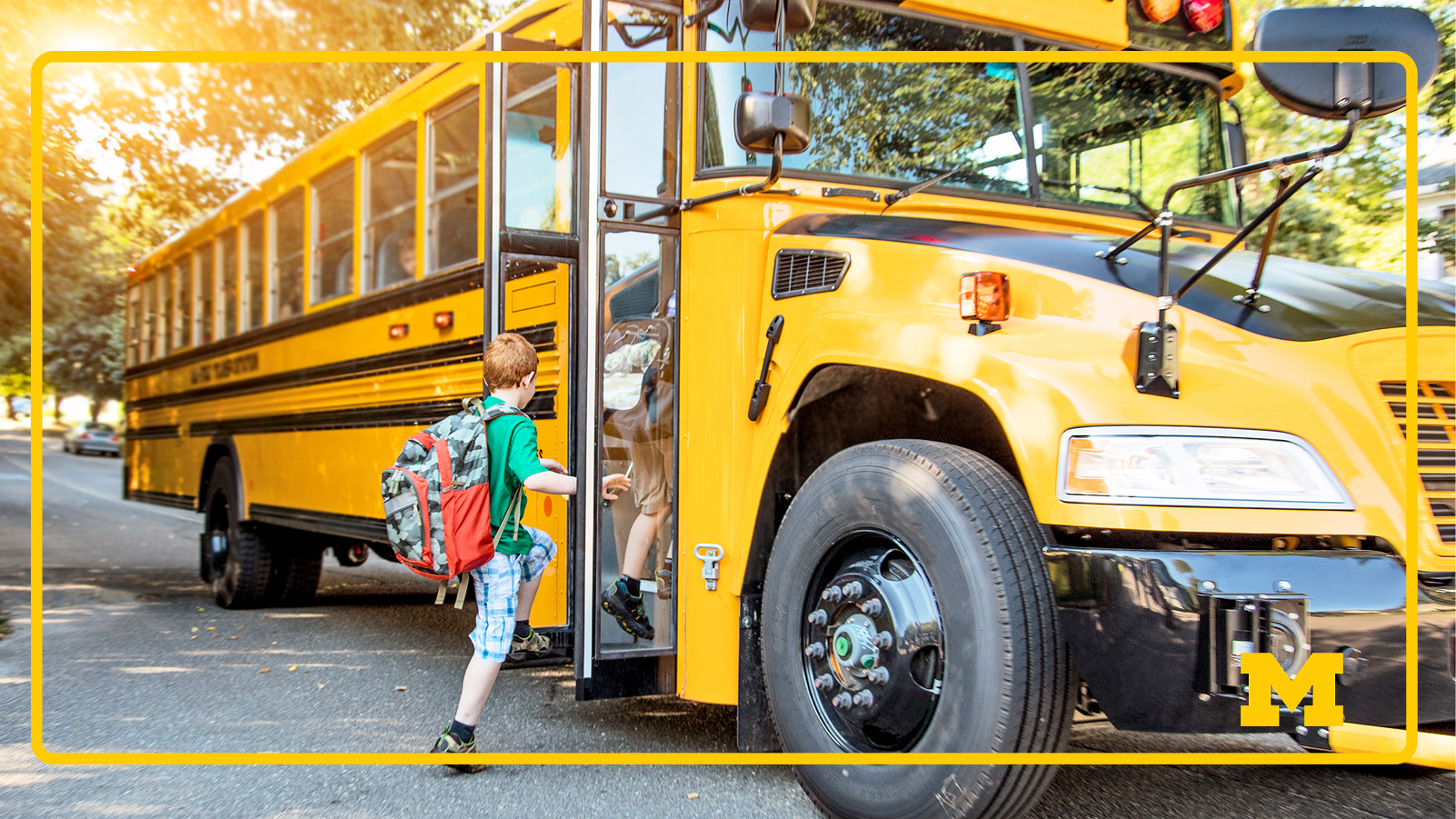
What It Takes to Find a Student Facing Homelessness
A bus driver notices a student boarding at a motel. That single observation can connect a family to support—but in most districts, it never happens. Read about what it takes to find and help students facing homelessness.
By Eric Shaw
About Michigan Research
Michigan Research is the University of Michigan’s flagship monthly e-newsletter, produced by the Office of the Vice President for Research. Each edition spotlights groundbreaking U-M research and scholarship that addresses critical challenges, sparks innovation and shapes the future across a range of disciplines.