
Michigan Research
September 2025In this issue we highlight the University of Michigan’s world-class research cores, the shared facilities that provide the tools, expertise and collaboration behind many of today’s most transformational discoveries.
From advancing clinical research that tackles childhood cancer and diabetes to driving innovation in nanotechnology, wearable devices and atomic scale imaging, U-M’s research cores make highly impactful breakthroughs possible.
What’s on This Page
Discovery at the Atomic Scale: How U-M Core Facilities Made the Impossible Possible
By Eric Shaw
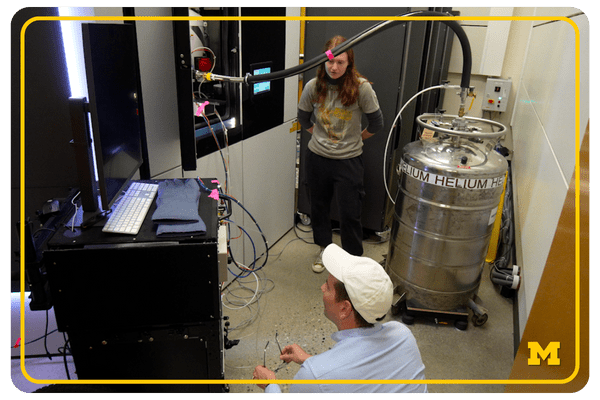
What if we could design better medicines, build cleaner batteries and create new computers simply by seeing the invisible? At U-M’s Michigan Center for Materials Characterization, scientists are capturing atoms in ways never possible before.
(MC)² gives U-M researchers a window into “the smallest structures ever seen”
By Kelsey Keeves
At Michigan’s Center for Materials Characterization, scientists use world-class microscopes to study matter at the atomic scale, driving discoveries in medicine, energy and technology.
Read more about this cutting-edge core facility.
U-M Research Cores Fuel Key Discoveries
By Evan Keller, Director, and Mariah Gavin, Assistant Director
Research Cores Office
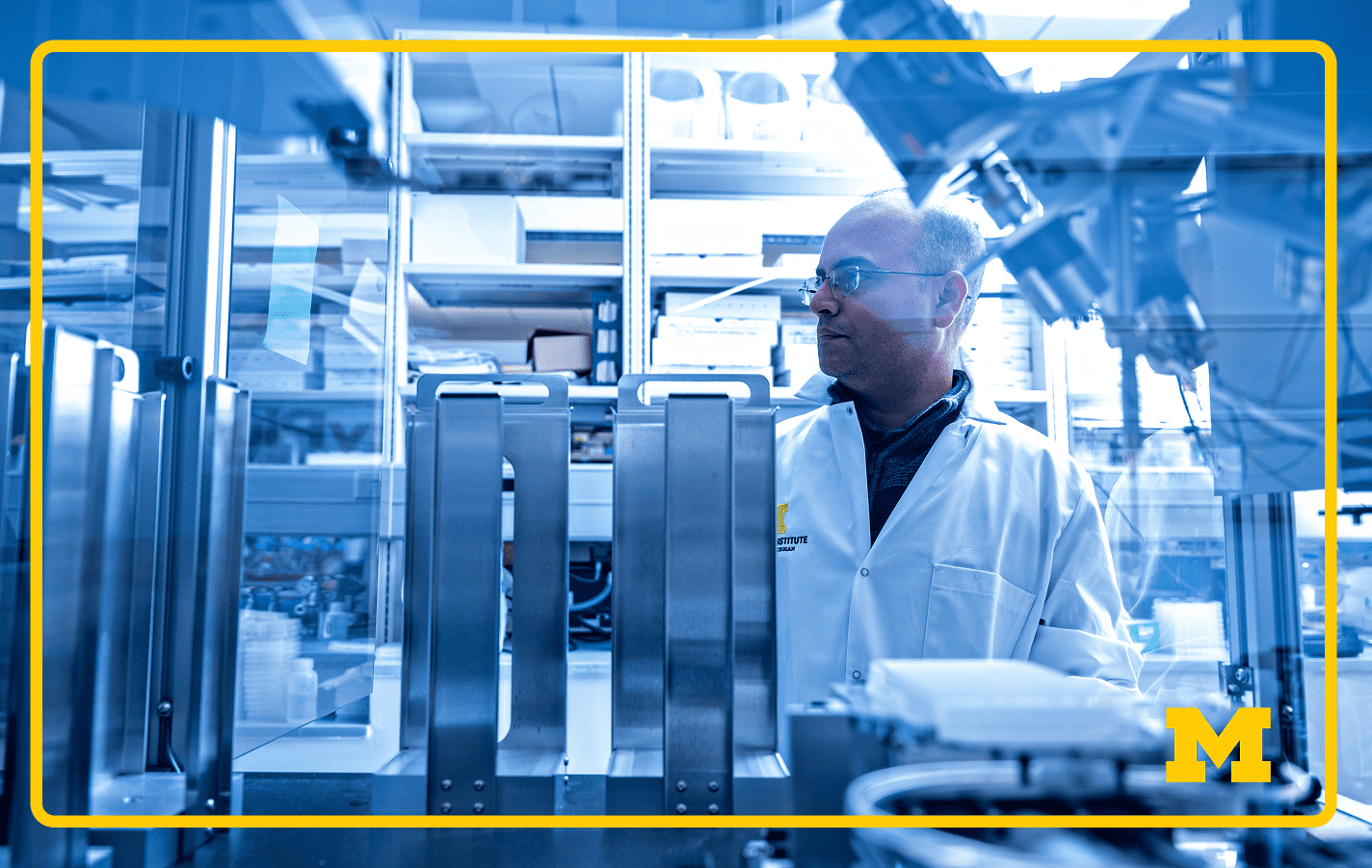
U-M’s research cores provide the tools, expertise and collaboration that fuel transformational discoveries in health, technology and beyond. Their impact extends across Michigan and the world.
Read more about their vital role.
U-M Researchers Harness University Core’s Natural Compounds to Tackle Childhood Cancer
By Emily Kagey
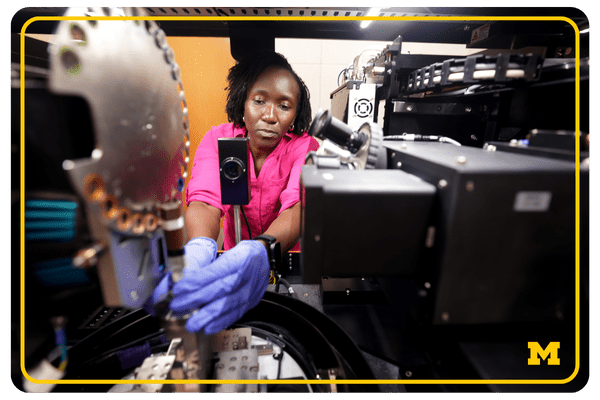
U-M scientists are exploring thousands of natural compounds to find new treatments for a deadly childhood brain cancer. Early results are promising and could open the door to new therapies.
Read more about their search for answers.
Impact Stories: Research at Michigan
Keeping Cancer Prevention in Its Place With Advanced Nanoparticles
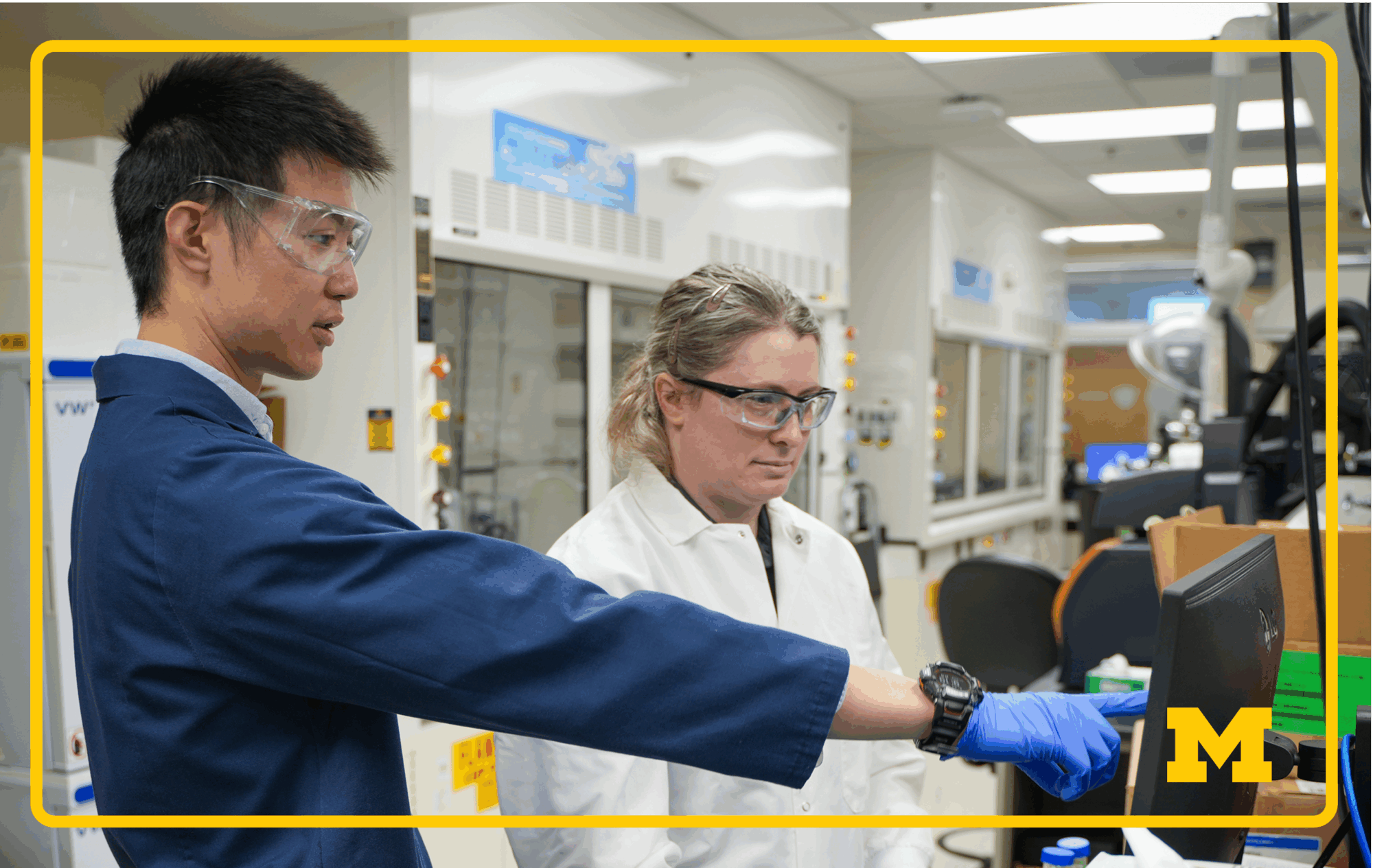
Scientists at U-M’s Biointerfaces Institute are engineering nanoparticles that deliver drugs exactly where needed, aiming to prevent aggressive oral cancers.
By Wendy Sutton
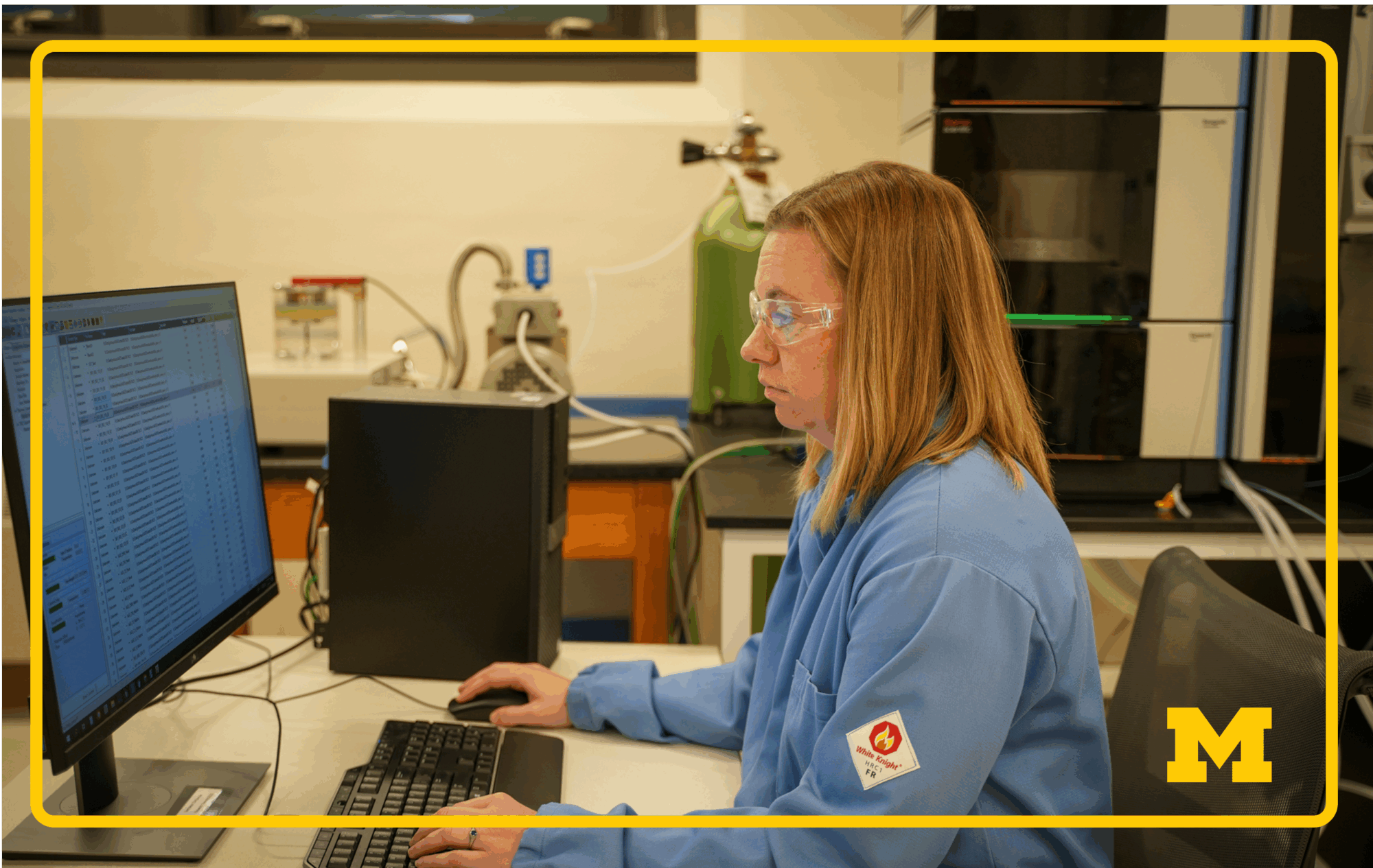
Diabetes and Exercise: How Mass Spectrometry Core Reveals the Impact
U-M researchers are using the Biological Mass Spectrometry Facility to study how exercise alters diabetes at the molecular level, offering new possibilities for treatment.
By Wendy Sutton

Meeting People Where They Are: How U-M Researchers Are Using Tech to Better Understand Mental Health Disorders
U-M’s Mobile Technologies Core is helping researchers use smartphones and wearables to study mental health in real time, offering new tools for prevention and personalized care.
By Kate Barnes

Institute for Social Research HomeLab Offers Ideal Environment for Fitness Device Study
At U-M’s HomeLab, researchers are testing wearable fitness devices in realistic settings to measure accuracy and reliability, especially for older adults.
By Jon Meerdink
About Michigan Research
Michigan Research is the University of Michigan’s flagship monthly e-newsletter, produced by the Office of the Vice President for Research. Each edition spotlights groundbreaking U-M research and scholarship that addresses critical challenges, sparks innovation and shapes the future across a range of disciplines.