Michigan Research
March 2026From a once-daily pill that reprograms leukemia cells to a bacterial compound showing promise against drug-resistant malaria, University of Michigan researchers are rewriting what’s possible in therapeutics.
Explore this edition featuring the discoveries, collaborations and care models closing the gap between laboratory insight and human health, including new findings on how cells defend against neurodegenerative disease, a pharmacy partnership built on tribal sovereignty and an immunotherapy approach that starts in the gut.
What’s on This Page
- From fiber to fighter: The U-M team rewriting the rules of cancer treatment
- Discovery isn’t enough: How U-M’s College of Pharmacy turns science into treatments that reach patients
- U-M pharmacy collaborative puts tribal community needs first – and lets research follow
- Impact Stories: Research at Michigan
From fiber to fighter: The U-M team rewriting the rules of cancer treatment
A common plant fiber — engineered into a gut-sticking gel — may be the missing link that makes immunotherapy work for more cancer patients. U-M researchers are now testing it in clinical trials.
Read more about the gut microbiome’s role in fighting advanced cancer.
Discovery isn’t enough: How U-M’s College of Pharmacy turns science into treatments that reach patients
By Vicki Ellingrod
Dean, College of Pharmacy
For 150 years, the U-M College of Pharmacy has worked to close the gap between scientific discovery and patient care—from reshaping global drug regulation to embedding pharmacists in clinics serving underserved communities.
Read more about how that mission is driving the next generation of therapeutics.

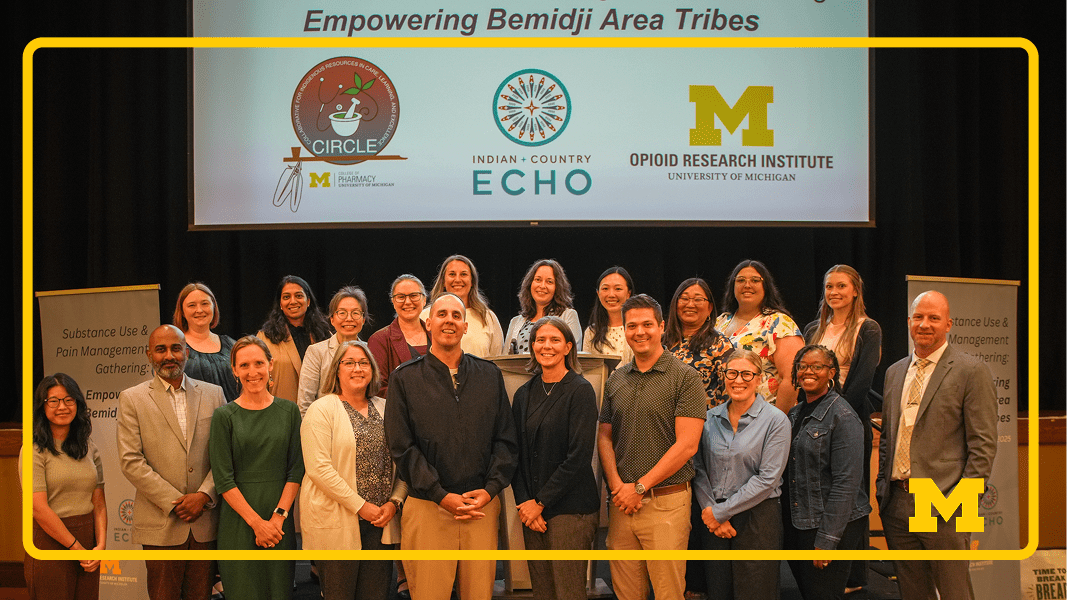
U-M pharmacy collaborative puts tribal community needs first — and lets research follow
By Eric Shaw
Researchers often arrive in tribal communities with a proposal already written. A U-M pharmacy collaborative inverts that sequence — community needs come first, and research follows only if it belongs.
Read how CIRCLE is building trust in tribal health communities before building a research agenda.
Impact Stories: Research at Michigan
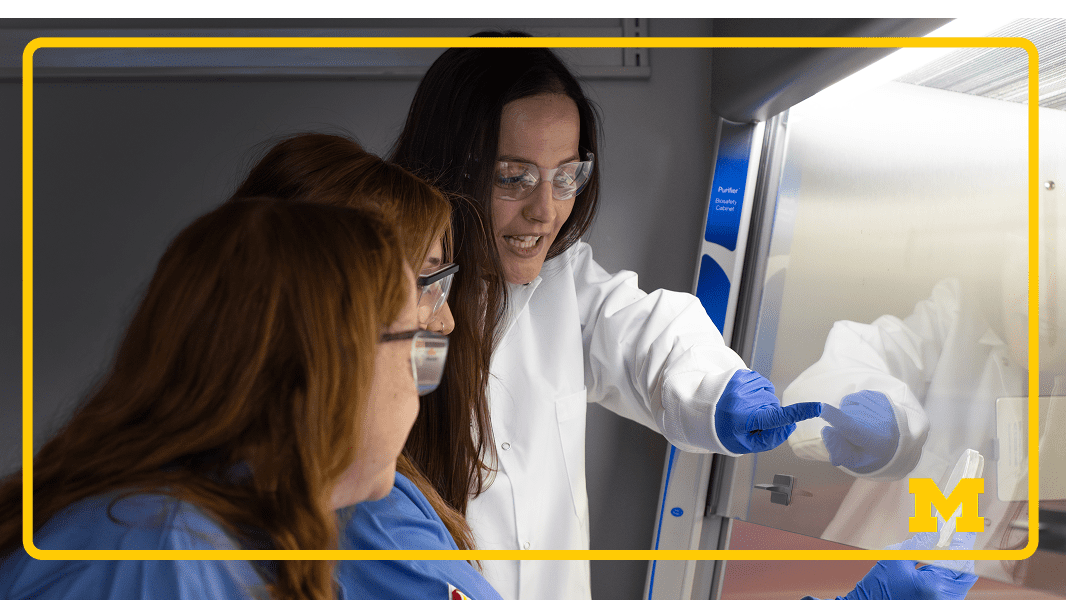
U-M team coaxes bacteria to produce a long-elusive compound, opening a new front against drug-resistant malaria
U-M researchers boosted bacterial production of a scarce compound and created a stronger version that shows promise against drug-resistant malaria. Read how the breakthrough could open a new path to treatment.
By Emily Kagey
Life Sciences Institute
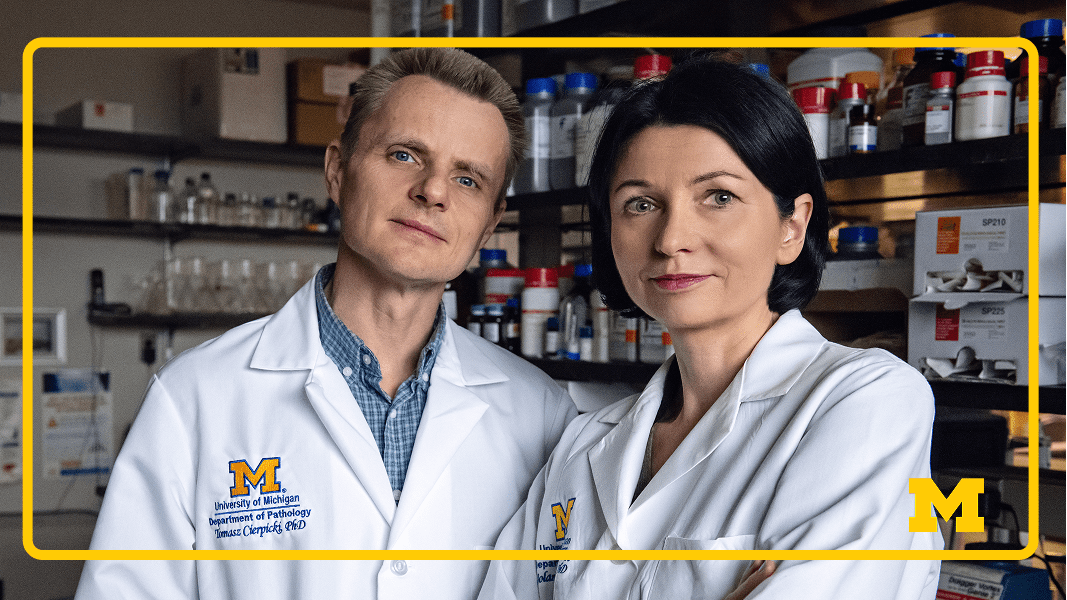
A leukemia drug the industry said was too challenging to develop
A once-daily pill developed by U-M researchers—dismissed for decades as impossible—reprograms leukemia cells to mature and die normally. Read more about what this means for patients whose cancer has resisted prior treatment.
By Alexi Pierce
Innovation Partnerships
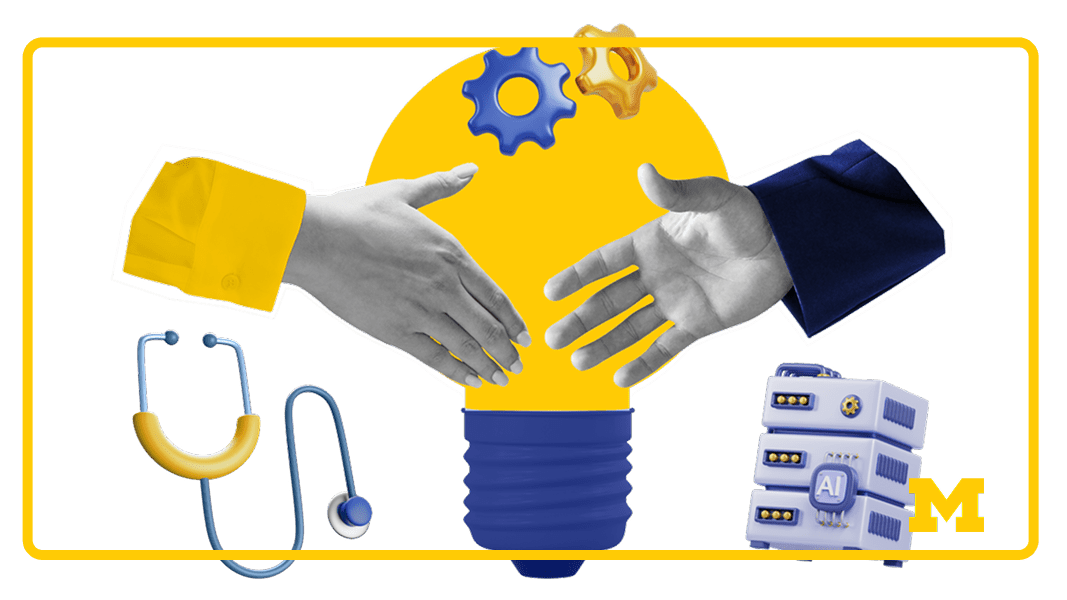
U-M bets that the right match is where health AI innovation begins
A new U-M program is cutting through years of missed connections by pairing clinical researchers with AI specialists in weeks, then funding what they build together. Read more about the match-first model behind Michigan’s health AI innovation bet.
By Eric Shaw
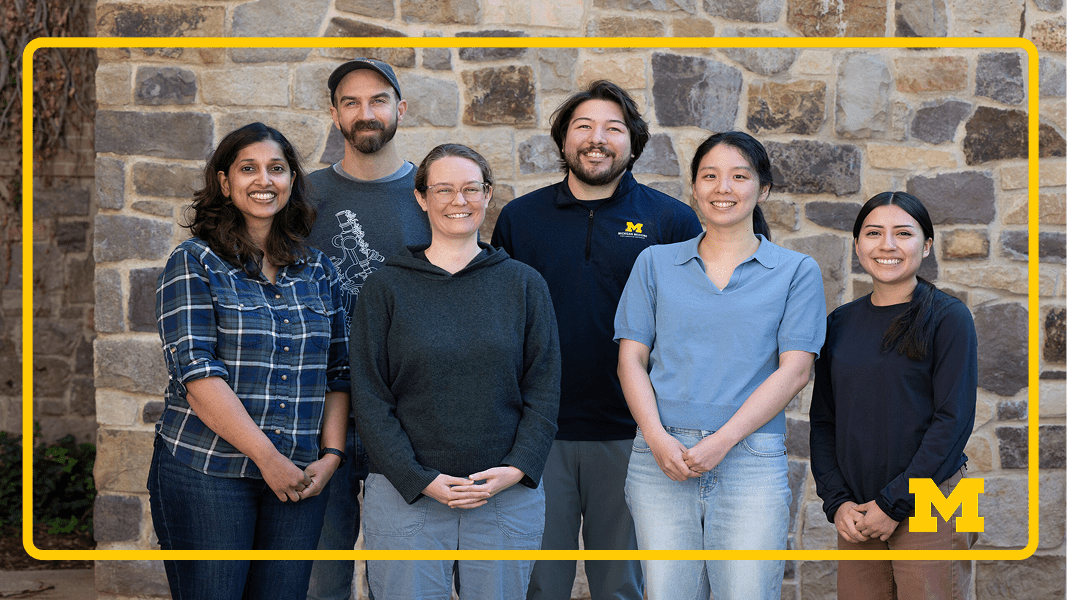
How cells keep RNA from clumping under stress — and why it matters for neurodegenerative disease
When cells are stressed, RNA molecules clump together in ways that can lead to ALS and Alzheimer’s. A U-M study reveals how cells keep critical RNA out of those clumps. Read more about the molecular mechanics behind neurodegeneration.
By Paul Avedisian
Center for RNA Biomedicine
About Michigan Research
Michigan Research is the University of Michigan’s flagship monthly e-newsletter, produced by the Office of the Vice President for Research. Each edition spotlights groundbreaking U-M research and scholarship that addresses critical challenges, sparks innovation and shapes the future across a range of disciplines.