
Language as Culture:
Strengthening Culture Through Intentional Communication
In this installment, we’re focusing on Language–the words, phrases, questions, and messages that shape how people interpret expectations, experience relationships, and understand what matters most. Language influences how information is shared, how discussions leading to decisions unfold, how feedback is delivered, and how people feel included in the day-to-day flow of work. Over time, the language used across a team becomes part of the culture itself.
Do the words we use reinforce clarity, respect, and shared understanding?
Does the language used across our teams reinforce connection, accountability, and trust?
Let’s explore how intentional language choices can help create stronger communication patterns, support productive relationships, and reinforce the kind of culture we want people to experience every day.

Quick Wins for Your Unit
Practical, high-impact strategies for aligning your environment with your values
Culture is shaped not only by what people do, but also by how people talk about the work they do, about one another, and about shared challenges. Consistent, thoughtful language helps reduce confusion, build better relationships, and reinforce shared expectations across teams.
Here are a few quick actions your team can take this week to reinforce clarity, trust, and connection in everyday interactions:
Set expectations and communicate needs with specificity
Language patterns create shared understanding. Discussing expectations clearly helps people better understand priorities, next steps, and what success looks like. It also creates space for people to raise their own needs, goals, and questions more directly. Avoid broad statements that invite interpretation. Instead of “Let’s improve communication,” name the behavior you want: “Let’s send project updates every Friday so everyone has the same information before the weekend.” Or be direct about support in 1:1 conversations: “Can we check in tomorrow? I’d like to share where I’m getting stuck and get your perspective on next steps.” This level of specificity reduces confusion and strengthens transparency and trust.
Ask questions that encourage reflection and engagement
The questions that leaders and team members ask influence how one-on-one conversations and broader discussions unfold. Questions such as, “What are we not considering yet?” or “What would help make this easier to explain to others?” encourage reflection and shared problem-solving while creating space for fuller discussion and thoughtful input. Questions that invite reflection signal that input and perspective matter.
Strengthen problem-solving through neutral framing
When addressing challenges, focus language on the issue, process, or outcome rather than assigning blame to individuals. Phrases such as “What factors should we take a closer look at?” or “Where might we need to make adjustments?” help keep conversations productive and future-focused while keeping conversations grounded in trust and mutual respect.
Be mindful of tone when writing
Our words determine how messages are received and can influence urgency, trust, and expectations. If you rely heavily on email, chat, and written updates, especially during busy periods, clarity and tone matter. Simple practices like acknowledging effort, clarifying intent, and confirming understanding can make your messaging clearer, more constructive, and more collaborative.
Drive connection through everyday language
Everyday conversations play a central role in shaping workplace culture and how it is experienced. Roles and contributions are shaped through everyday interactions, which also influence how people engage with colleagues from day to day. Trust and connection grow through conversation flow, real-time responses, and the way ideas are shared. Small, consistent cues in daily exchanges, such as “Can you walk me through your thinking?” or “Thanks for clarifying that,” strengthen collaboration and improve how people work together.
Try This with Your Team
Build shared awareness and ownership through simple, team-based practices
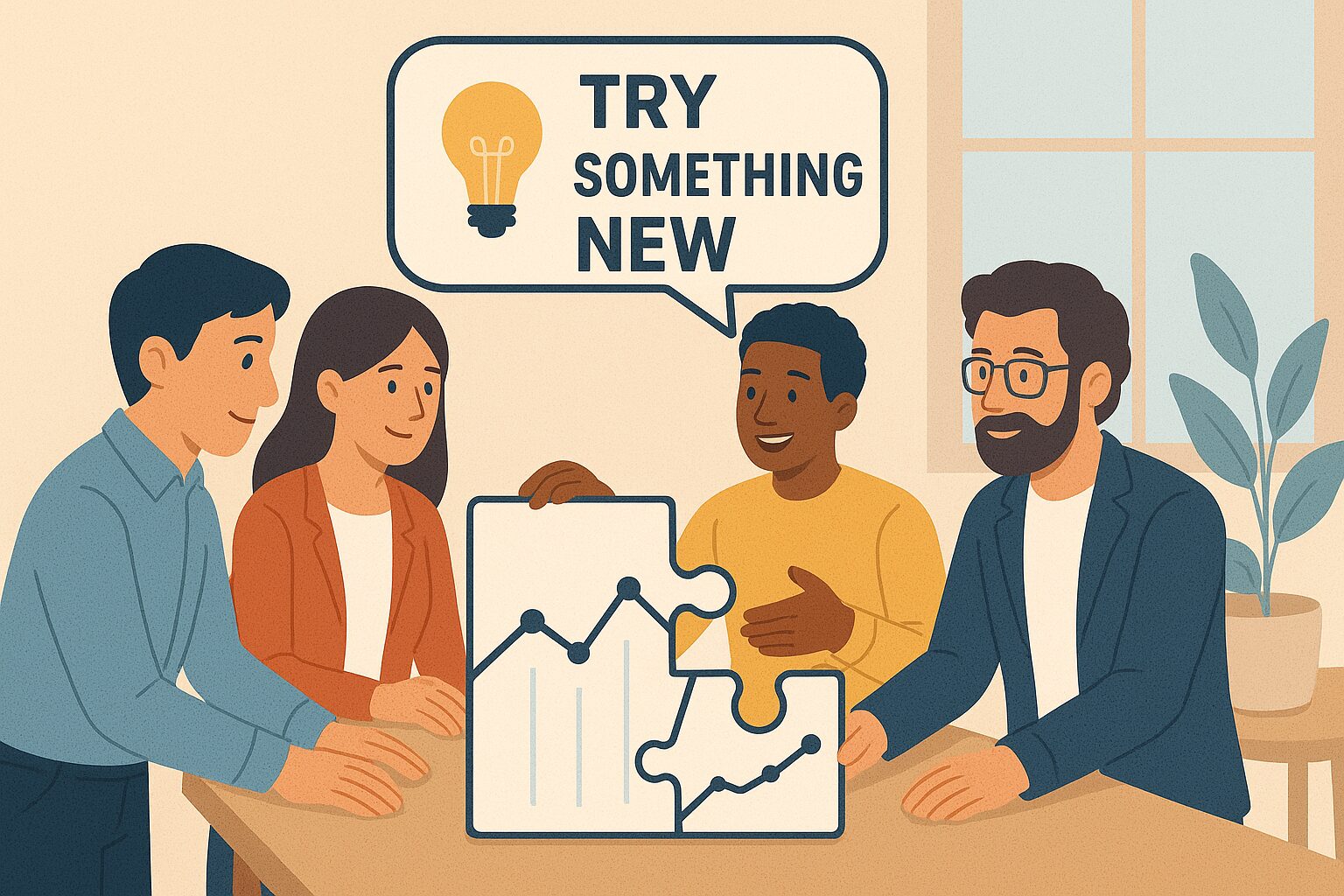
Interactions don’t change through one-off conversations. They change through small, repeated choices built into how teams already work. These practices are designed to fit naturally into existing meetings and routines.
Clarity checks
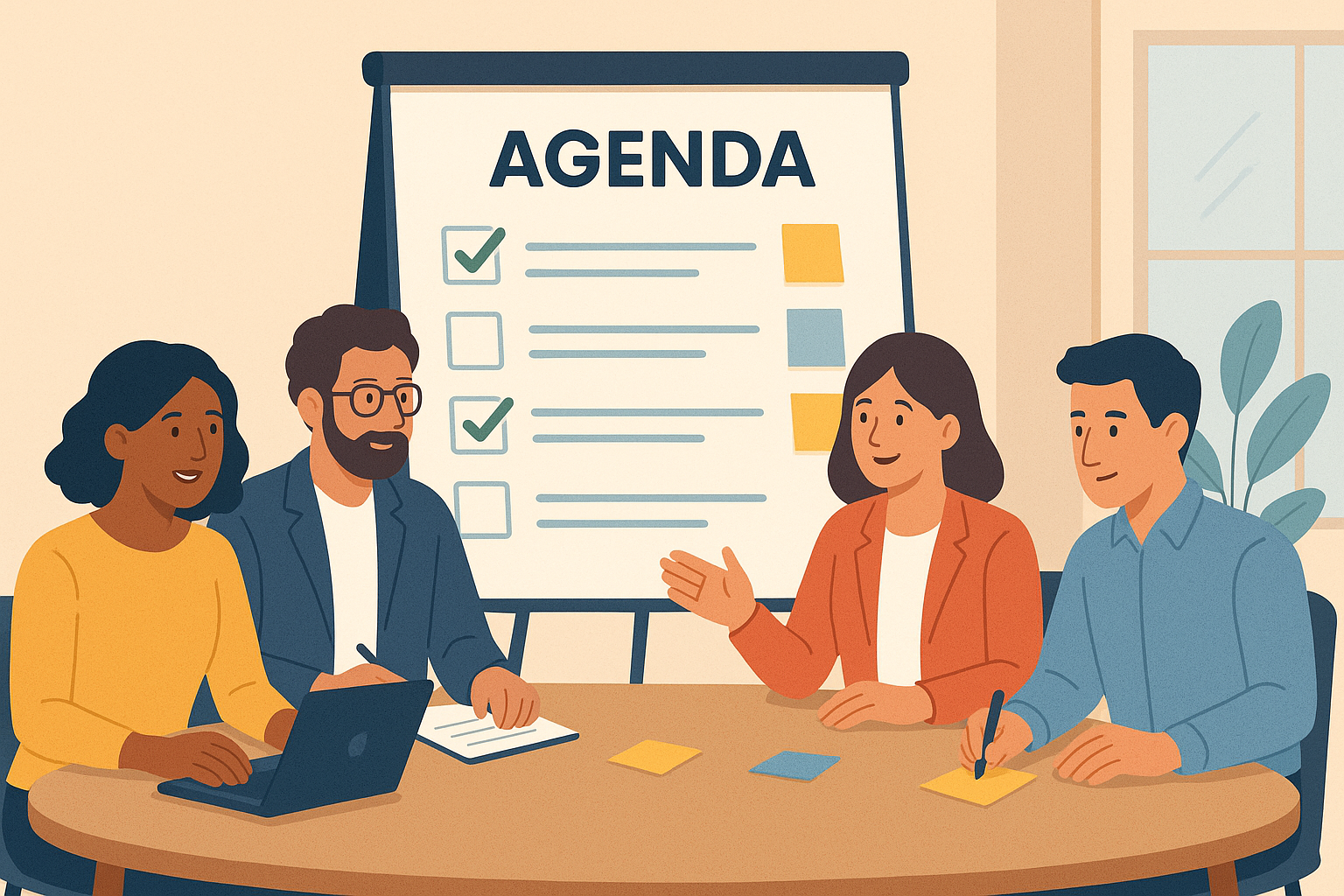
Before ending a conversation, ask questions to confirm understanding and ensure multiple perspectives are being considered. Try prompts like, “What feels most important to carry forward?” or “What should I make sure I follow up on?” In team settings, questions like “What are we learning from this?” or “What’s not being considered yet?” help surface gaps and keep the conversation balanced. In one-on-ones, asking “What’s feeling confusing right now?” can open space for concerns that might otherwise go unspoken. These small moments help ensure people leave discussions with a clear assessment of what was said, what matters most, and what comes next.
Everyday language cues
Incorporate simple, repeatable phrases that guide interactions in real time. “What support would help here?” “What are we assuming?” or “What would move this forward?” create focus and a sense of shared ownership in one-on-ones, team discussions, or quick check-ins. Used purposefully, these cues positively affect how people enter conversations and respond to one another.
Reframing moments
When difficult moments arise, phrase questions and responses that help move those conversations forward. If discussions become reactive or start to narrow, adjust the language to keep them constructive. Shift from “Who caused this?” to “What contributed to this?” to broaden perspective. If something is quickly dismissed, ask “What would need to change in order for this to work?” to keep the conversation open to possibility. Integrating these types of language shifts can positively impact how people engage with challenges and with one another.
Shared close-outs
Take a moment at the end of conversations to reinforce what was understood. This might be a manager and team member aligning on next steps, or someone in a meeting saying, “Here’s what we’ve agreed to.” Brief summaries of decisions and responsibilities help reduce confusion and support follow-through.
Recognition opportunities
Name contributions in the moment. Simple acknowledgments like “That question helped move this forward” or “Your follow-up clarified things for the group” reinforce effective collaboration. These small signals shape how people engage with one another in future conversations.
See It in Action:
Native American Graves Protection and Repatriation Act (NAGPRA) Office
The U-M NAGPRA team approaches language as an intentional part of relationship-building and respectful practice. In both internal and external communication, the team has adopted the language “Ancestral remains” or “Ancestors” instead of the term “human remains” commonly used in documentation.
This shift, approved by the National NAGPRA Office for use in Federal Register Notices, reflects a deliberate effort to ensure the language used in everyday work aligns with the cultural and relational significance of the work itself.
By carrying this language consistently across meetings, written correspondence, and published notices, the team reinforces a culture grounded in intentionality, respect, and thoughtful engagement.

Share Your Practice
We’d love to feature examples from across our research community.
👉 Let us know how your team is shaping expectations that reflect your values by emailing [email protected].