
Michigan Research
August 2026A songbird that returns to the same patch of forest after wintering in Peru. Herbicide drifting into fields nobody sprayed. Microplastics in the air over Michigan. Ways technology can reinforce social inequality. These are just some of the topics that researchers are addressing in the University of Michigan’s College of Literature, Science, and the Arts. They are explored in this month’s Michigan Research, which also includes stories about an economist mapping Michigan’s next thirty years, cognitive scientists reading AI for clues about the mind, and a humanities expert making the case for slow thinking.
What’s on This Page
Small birds, long journeys
Video by Eric Shaw and story by Wendy Sutton
Flying to Peru and back is the easy part. Ben Winger’s lab at the U-M Museum of Zoology sequenced more than 1,600 songbird genomes and fitted birds with geolocators to learn that the farthest migrants return most faithfully to the same patch of forest.
Read how U-M is tracking a songbird’s whole year, from northern Michigan to the Andes.
The humanities in the age of AI
By Professor Jason R. Young
Director of the Institute for the Humanities
U-M was the first major U.S. university to launch its own secure generative AI tools. Historian Jason Young offers the humanist’s perspective on the importance of “slow thinking” and the risks of outsourcing our judgment, opinions and convictions to machines.
Forecasting Michigan’s economic future
By Don Jordan
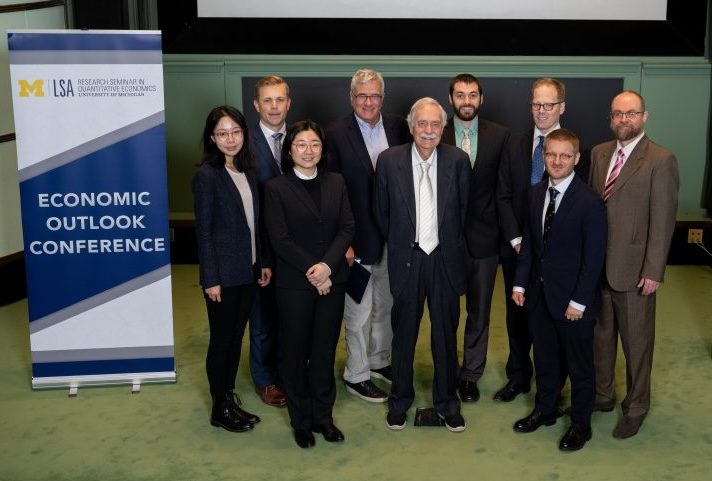
One in five Michiganders is now 65 or older, up from one in eight in 2001. U-M’s Gabriel Ehrlich, who runs the world’s longest continuously operating economic forecast, explains what that means for the state.
Impact stories: Research at the University of Michigan
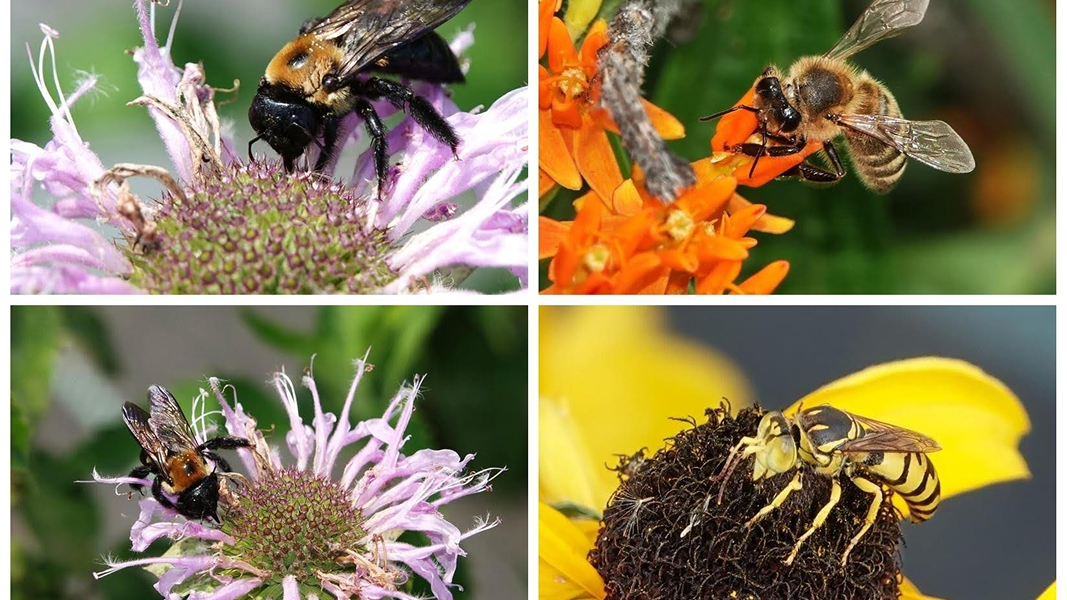
When herbicides travel: U-M team explores ecological effects of dicamba
Soybean leaves cup at the edges when dicamba drifts from a neighboring field. Regina Baucom’s U-M team is following the herbicide further, into the nectar and pollen of prairie plants and the bumblebees feeding there. Read how a U-M team is testing whether drifting dicamba reaches pollinators through the plants it was never sprayed on.
By Kelsey Keeves

What AI is teaching us about the human mind
Chandra Sripada assumed the brain’s fast and slow thinking was hard-wired by evolution. Then similar structure turned up in AI systems. Richard Lewis and Sripada are using that convergence to test theories of the mind. Read how U-M cognitive scientists are treating large language models as evidence about human thinking, not just technology.
By Wendy Sutton
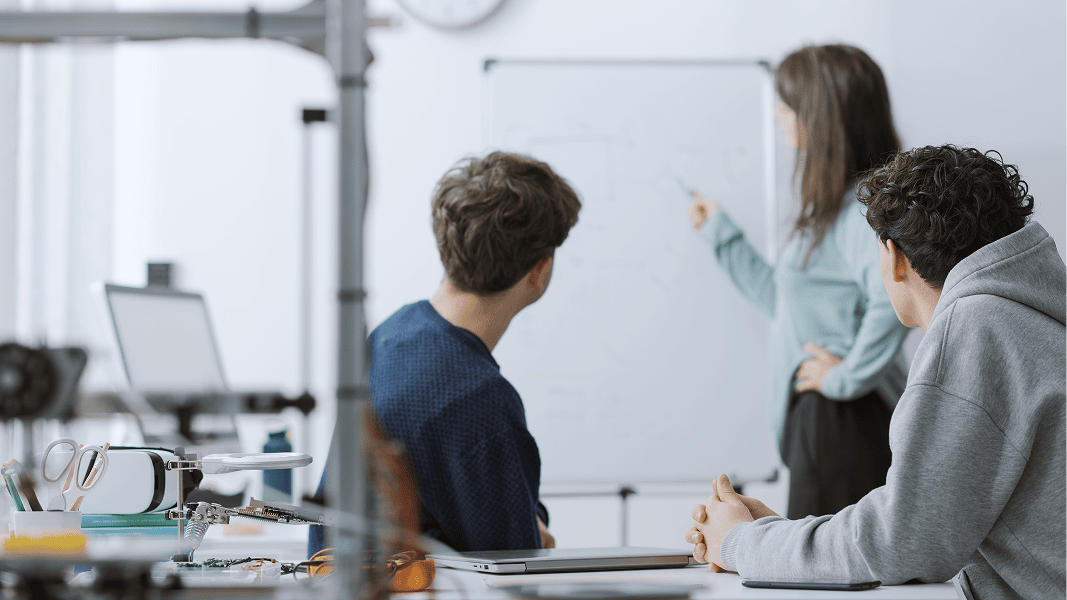
Who is responsible for eliminating technology bias? Engineers, expert says.
About one-third of practicing engineers say technology cannot be biased at all. Erin Cech, who studies both sociology and engineering at U-M, argues that those are exactly the people best positioned to catch bias first.
By Vanessa Vinson
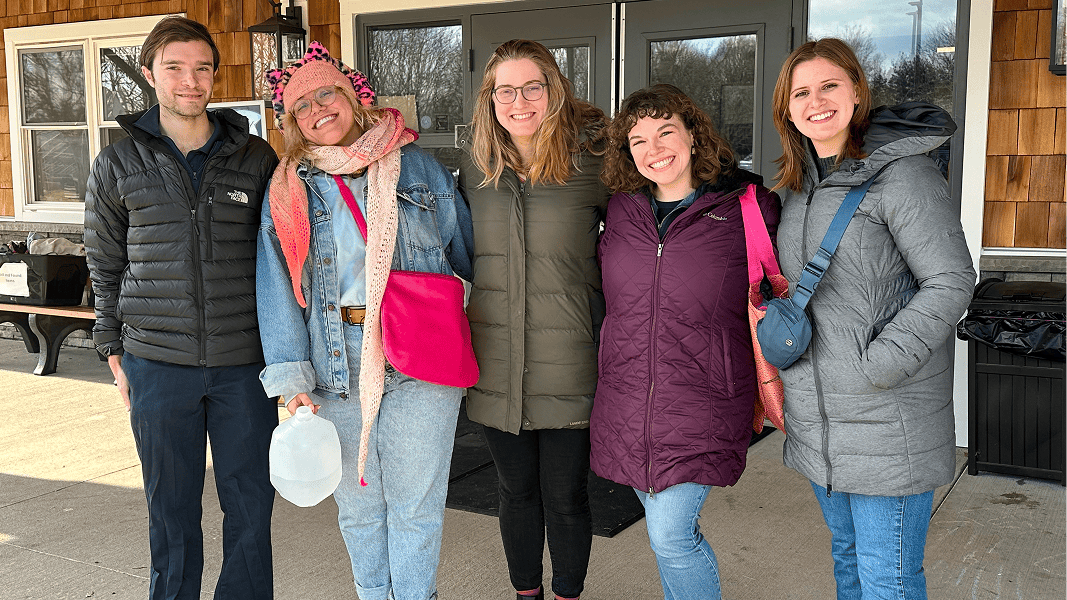
Decoding microplastics: Chemistry, machine learning and the environment
Microplastics turn up in Arctic snow, deep ocean trenches and human arteries. Chemists rarely study them. Read about how Anne McNeil’s team is using a $2 million LSA grant, spectroscopy and machine learning to identify what’s in Michigan’s air.
By Kate Barnes
About Michigan Research
Michigan Research is the University of Michigan’s flagship monthly e-newsletter, produced by the Office of the Vice President for Research. Each edition spotlights groundbreaking U-M research and scholarship that addresses critical challenges, sparks innovation and shapes the future across a range of disciplines.