Michigan Research
August 2025In this issue, we highlight transformative research from the University of Michigan’s School for Environment and Sustainability (SEAS), where faculty and students are advancing solutions to today’s most pressing environmental challenges.
From driving sustainable transportation and protecting the Great Lakes, to uncovering the hidden impacts of climate change, harmful algal blooms and extreme weather, SEAS researchers are developing innovative strategies that safeguard ecosystems, strengthen communities, and create a more just and sustainable future.
What’s on This Page
DRIVING THE FUTURE
How U-M’s Landmark EV Study Confirms Lower Emissions in Every U.S. County
By Eric Shaw
University of Michigan researchers conducted one of the most comprehensive EV studies to date, confirming that battery electric vehicles produce lower total emissions than gasoline cars and trucks in every U.S. county.
From Batteries to Hydrogen: A Systems Approach to Cleaner Transportation
By Wendy Sutton
How can we truly decarbonize transportation? Greg Keoleian and his U-M team are reshaping the system—batteries, EVs, hydrogen and beyond—creating tools and strategies to cut emissions and costs.
Read more about Keoleian’s systems approach to sustainable transportation
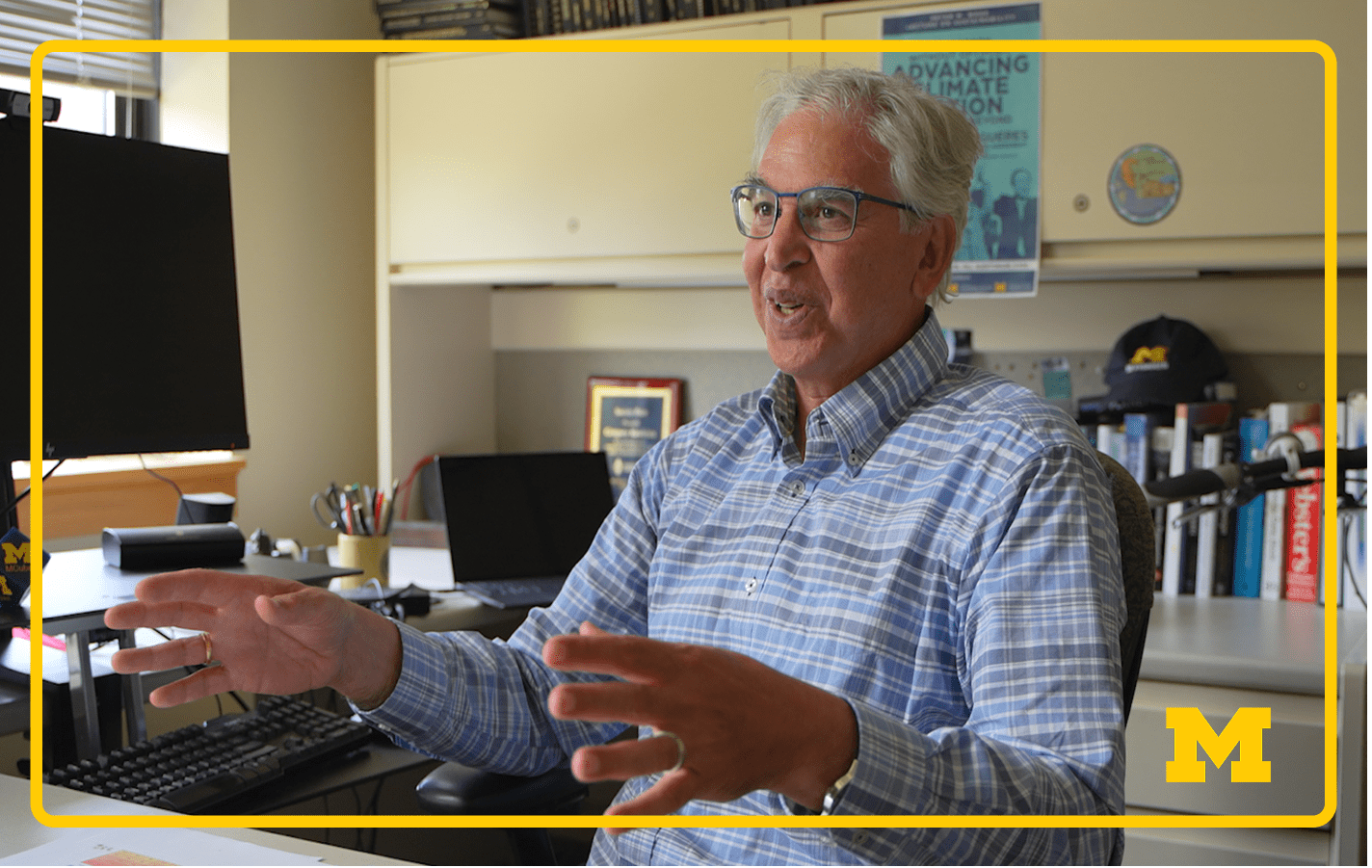
Commentary: Pure Michigan at Risk — Protect Great Lakes Science
By Mike Shriberg
Professor of Practice and Engagement; Director of University of Michigan Water Center, U-M’s School for Environment and Sustainability
By Gregory Dick
Director of the Cooperative Institute of Great Lakes Research (CIGLR); Arthur F. Thurnau Professor, U-M’s School for Environment and Sustainability
The Great Lakes shape Michigan’s identity, economy and way of life. With federal support for science in question, the choice is clear: invest in the research that safeguards our waters—or risk losing decades of progress.
See why U-M experts say the future of Great Lakes protection depends on decisions we make today.

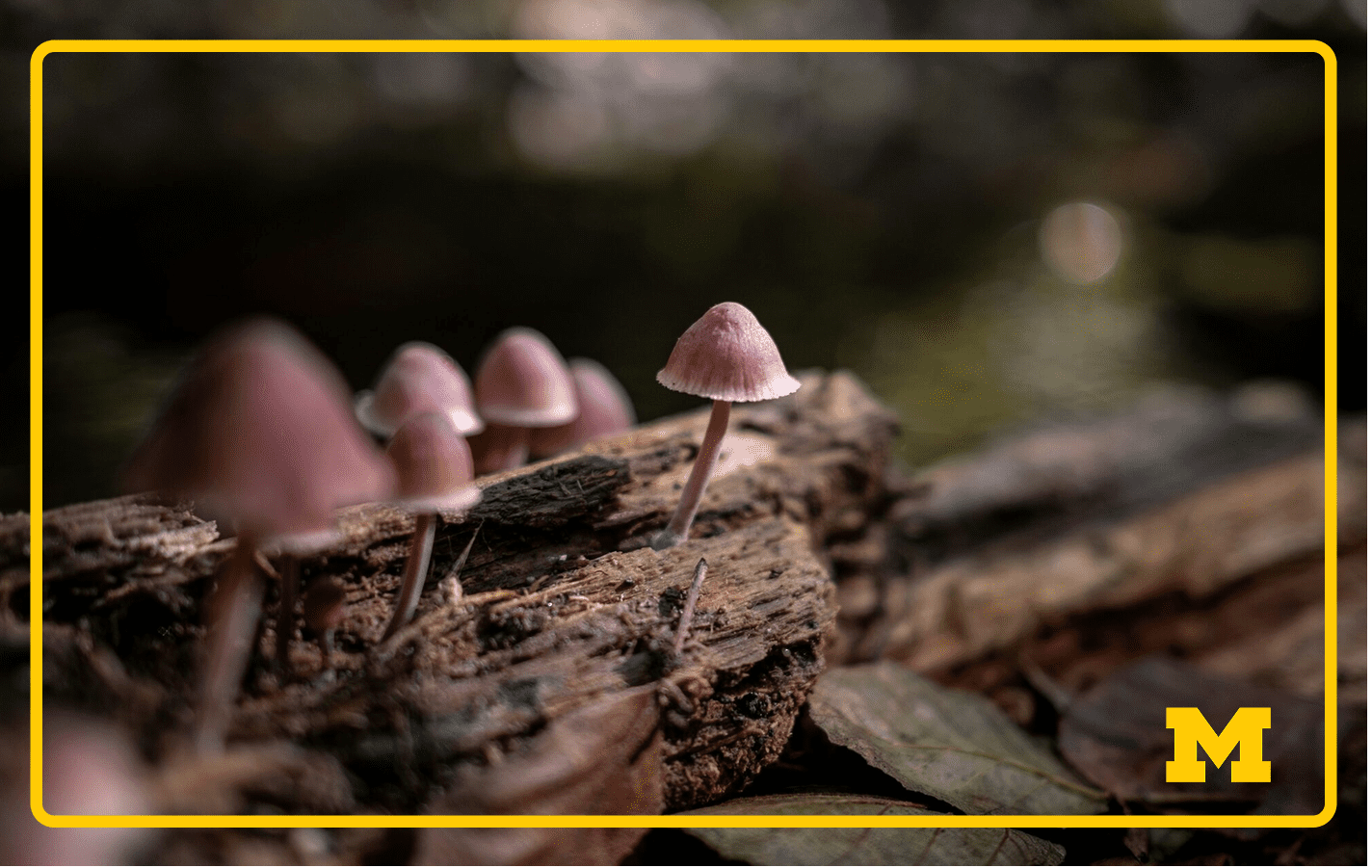
Seasonal Allergies Caused by Fungal Spores Now Start Three Weeks Earlier Under Climate Change
By Matt Davenport
U-M researchers found that allergy season from fungal spores now begins three weeks earlier than two decades ago, driven by climate change—worsening respiratory health risks while raising new ecological concerns.
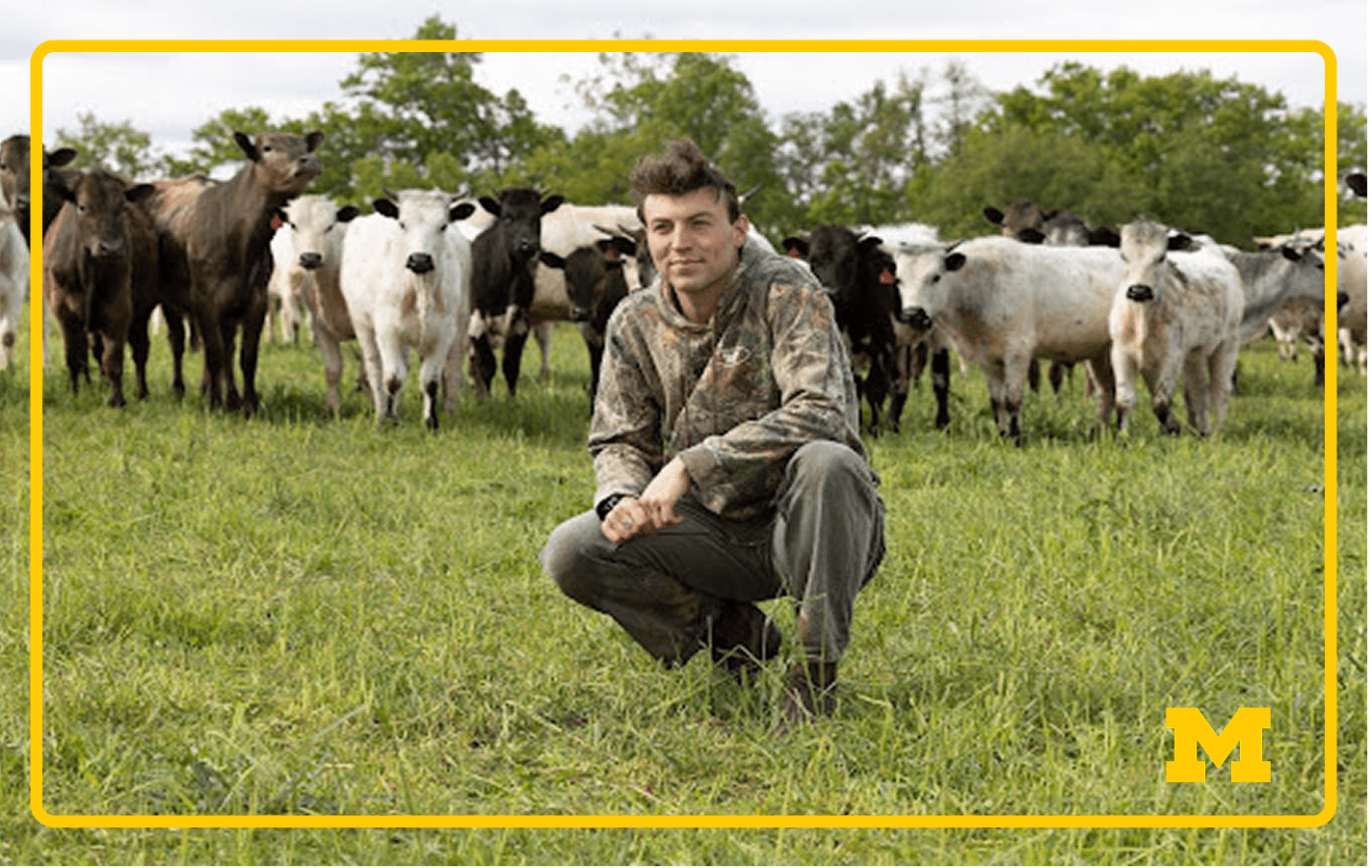
It’s Not the Cow, It’s the How: Rethinking Soil, Cattle, and Sustainability
Visual Story by Dave Brenner
Written by Nayiri Mullinix
U-M SEAS PhD candidate Will Brinkerhoff explores how grazing cattle on cover crops can recycle nutrients, cut costs, and build healthier soils—offering farmers a regenerative path toward a more sustainable food system.
Impact Stories
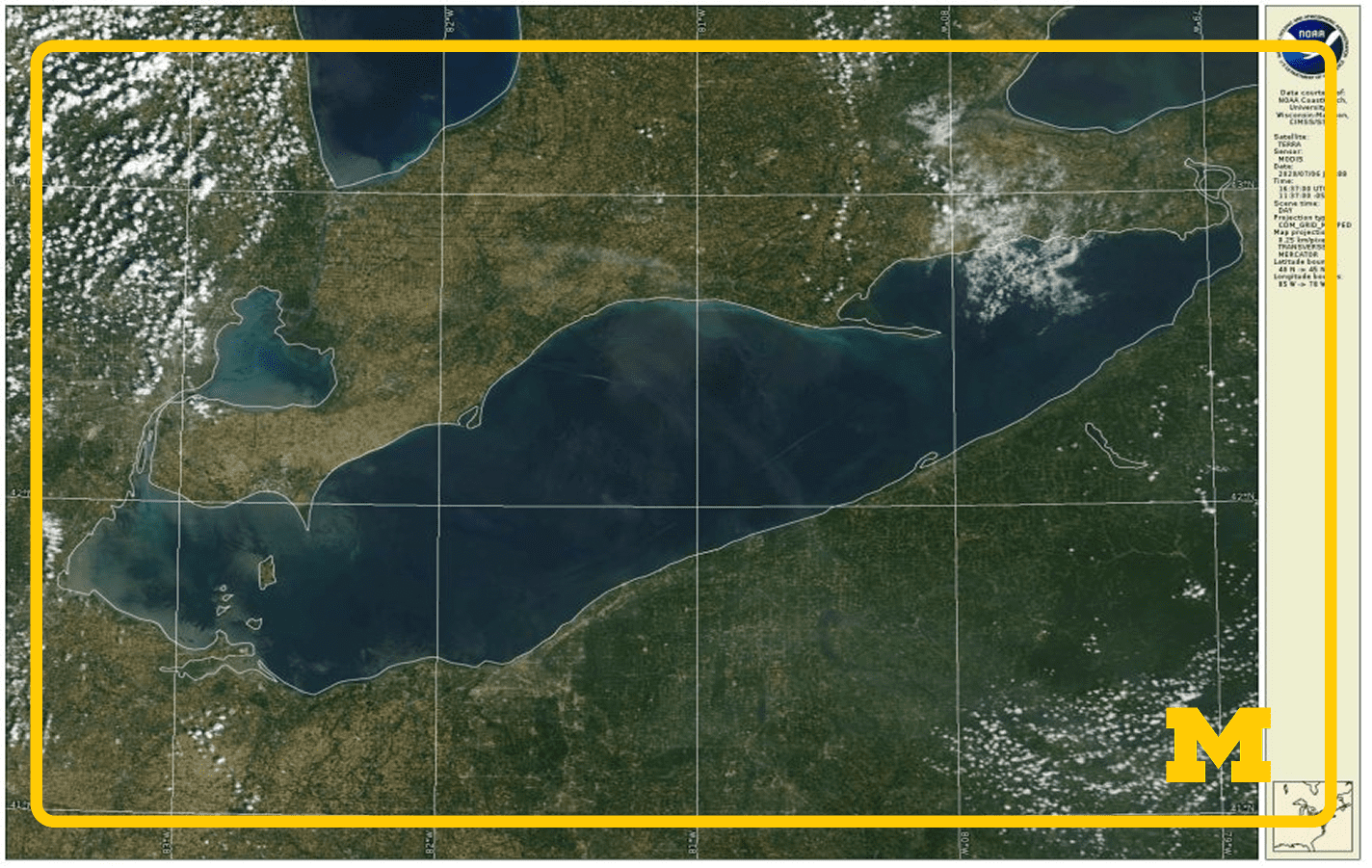
Bacterial villain behind Lake Erie’s ‘potent toxin’ unveiled by U-M study
U-M scientists have uncovered the bacterial culprit behind Lake Erie’s most dangerous toxin, advancing efforts to understand harmful algal blooms and safeguard drinking water.
By Morgan Sherburne

Clothes dryers and the bottom line: Switching to air drying can save hundreds
U-M research shows Americans could save thousands of dollars and cut tons of emissions by swapping dryers for clotheslines—revealing how simple lifestyle shifts can rival costly tech upgrades.
By Matt Davenport
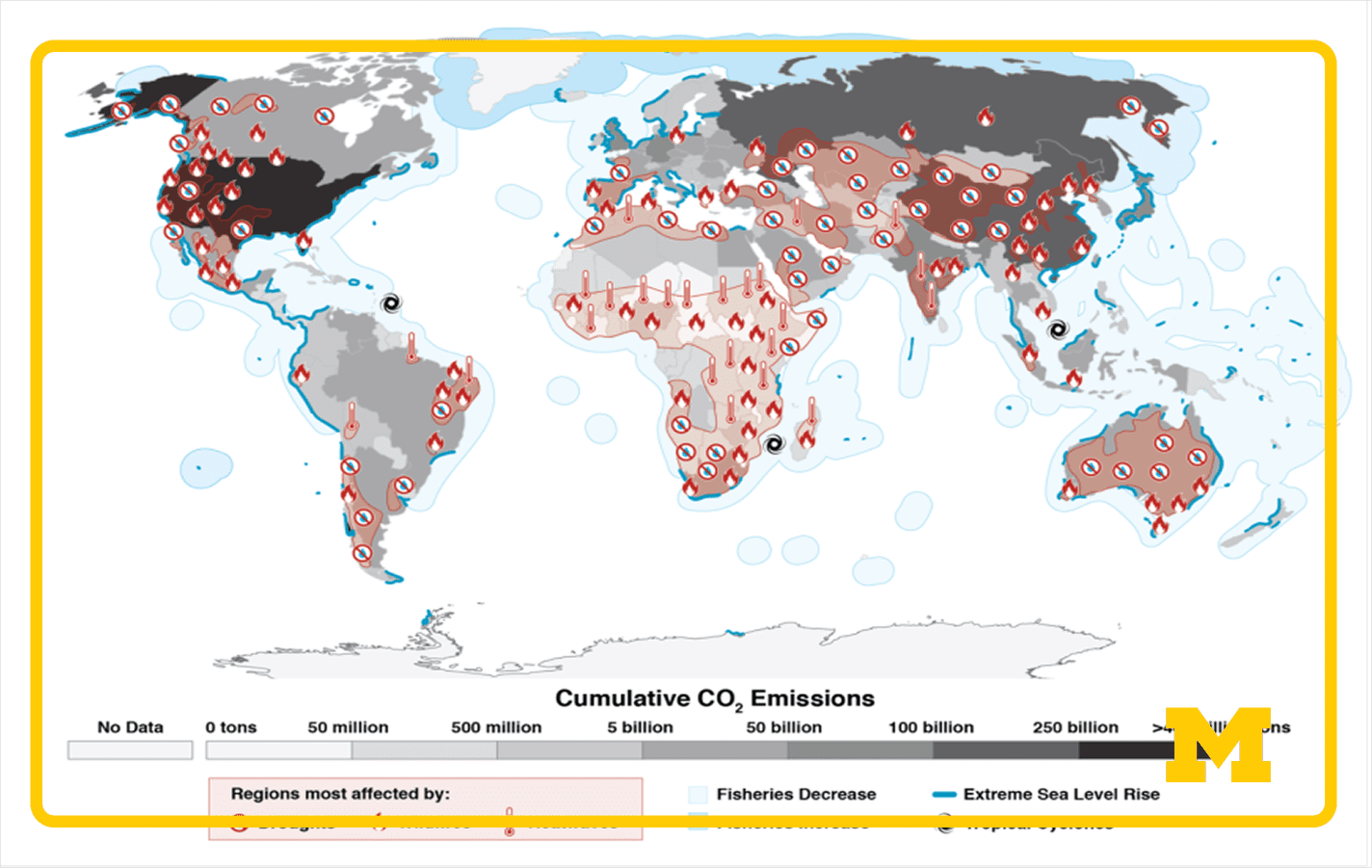
Finding ‘win-win-wins’ for climate, economics and justice
U-M researchers reveal how climate solutions can cut emissions while boosting equity and well-being, challenging the notion that poorer countries must sacrifice prosperity to fight climate change.
By Matt Davenport
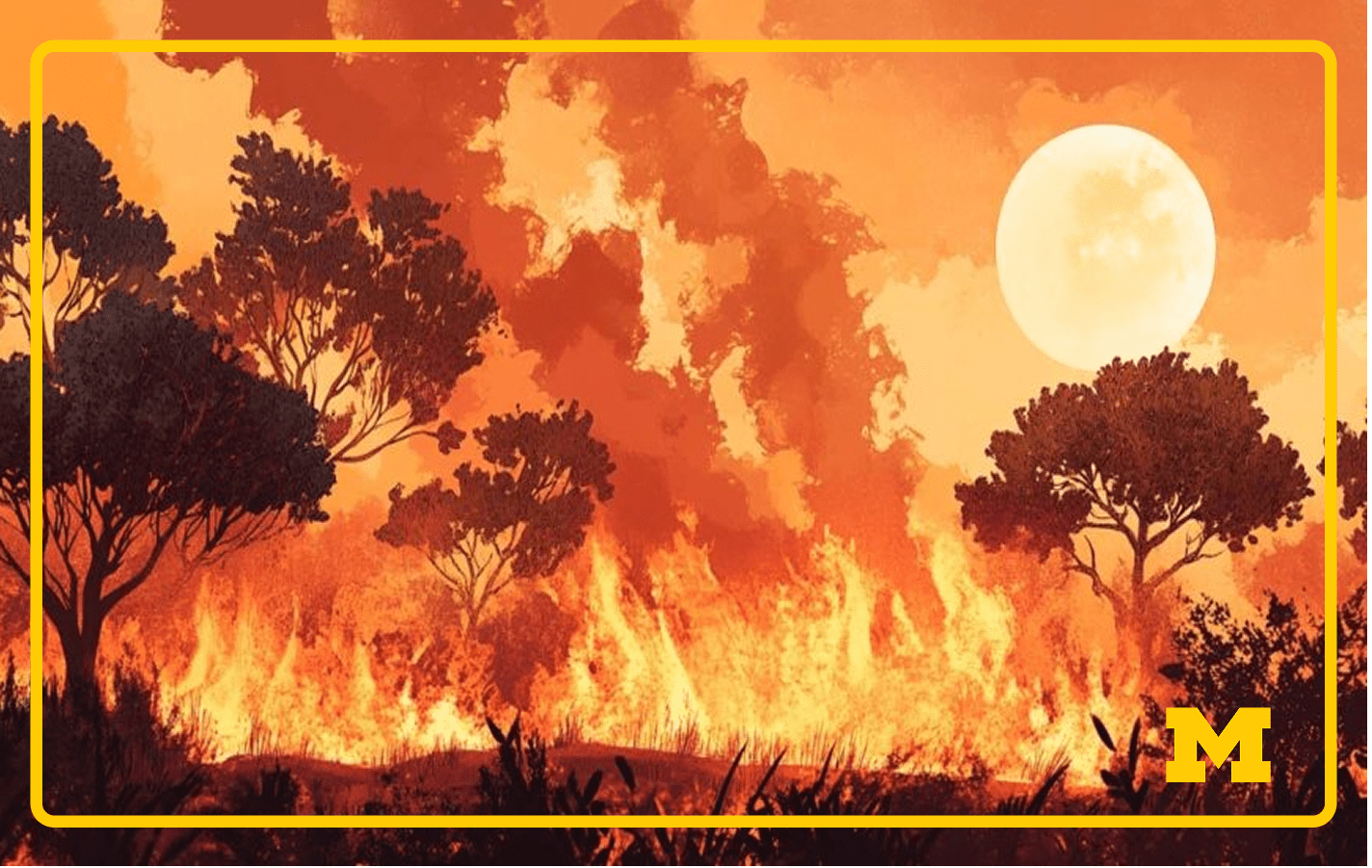
Wildfires, windstorms and heatwaves: How extreme weather threatens nature’s essential services
U-M researchers helped build a new model revealing how extreme weather—like wildfires, windstorms, and heatwaves—threatens ecosystems and the essential services nature provides, from clean water to food production.
By Yvaine Ye
About Michigan Research
Michigan Research is the University of Michigan’s flagship monthly e-newsletter, produced by the Office of the Vice President for Research. Each edition spotlights groundbreaking U-M research and scholarship that addresses critical challenges, sparks innovation and shapes the future across a range of disciplines.