
Will Brinkerhoff, a PhD candidate at the University of Michigan School for Environment and Sustainability (SEAS), focuses his research on replacing chemical fertilizers with recycled nutrients to improve soil health, including urine-derived fertilizer and cover crop grazing.
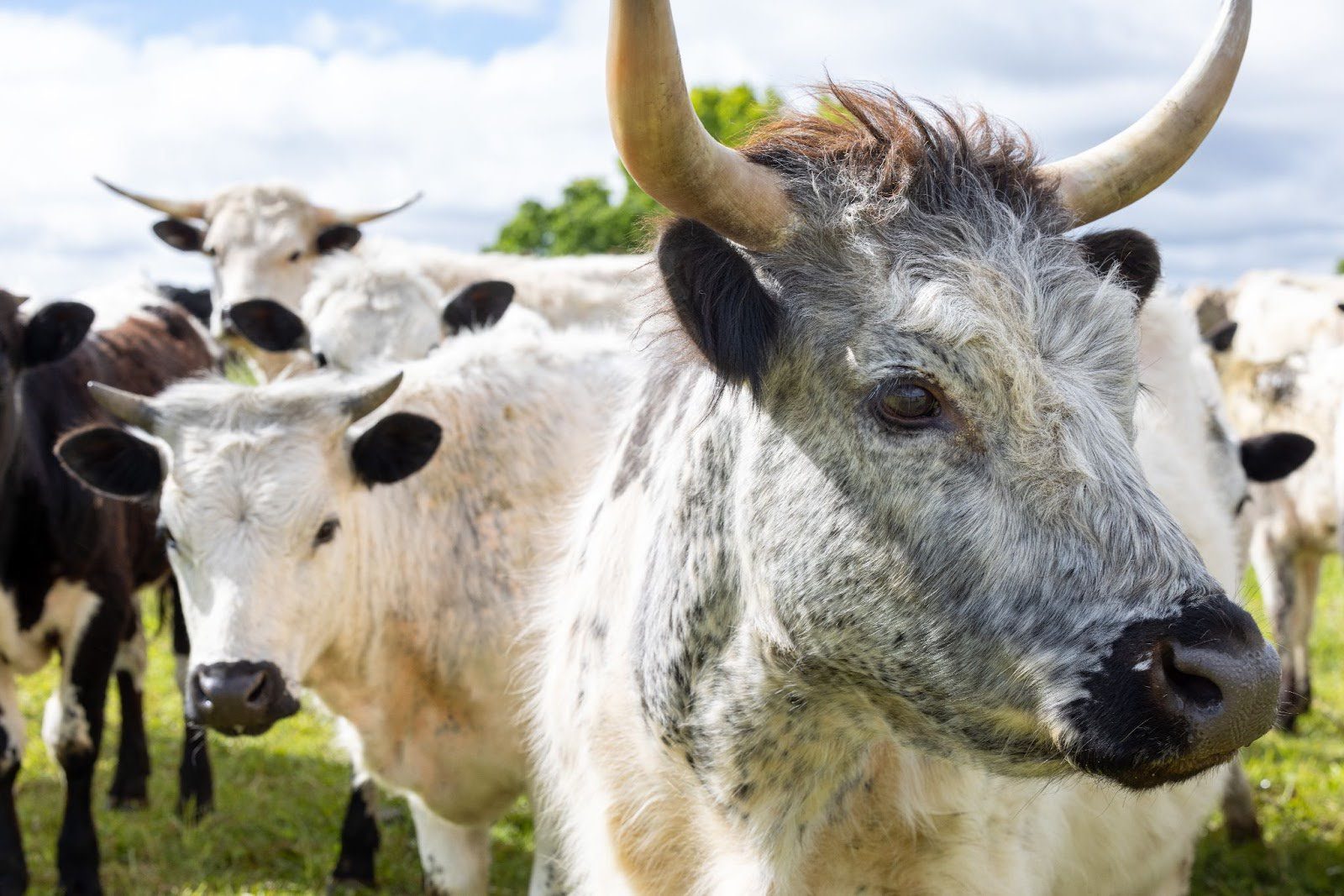
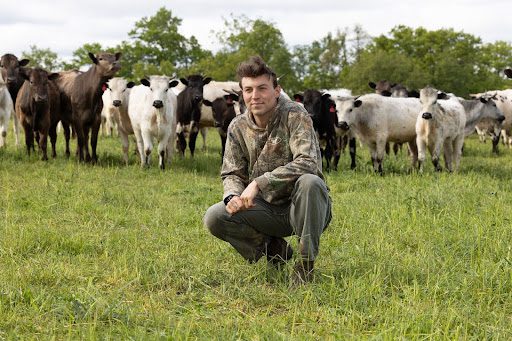
This summer, Brinkerhoff, a National Science Foundation Graduate Research Fellow, which recognizes and supports outstanding graduate students who have demonstrated the potential to be high-achieving scientists, and with funding from the U.S. Department of Agriculture, began a three-year project investigating the effects of cover crop grazing on soil health. The work, supervised by his advisor and SEAS Associate Professor Jennifer Blesh, will primarily be conducted through on-farm experiments on a cattle farm in Dexter, Michigan, as shown in these photos, and on three other farms in Michigan, with ongoing analysis in the Blesh Soil and Agroecosystems Lab in the Dana Building.
Cover crops are already an effective way to protect and enrich soil health, but Brinkerhoff says that many farmers who grow them may not be realizing their full potential in the farm system. Brinkerhoff’s work explores the idea of adding grazing cattle to terminate the cover crops, with the additional benefits of helping to manage them throughout the winter months while also reducing cattle feed costs.
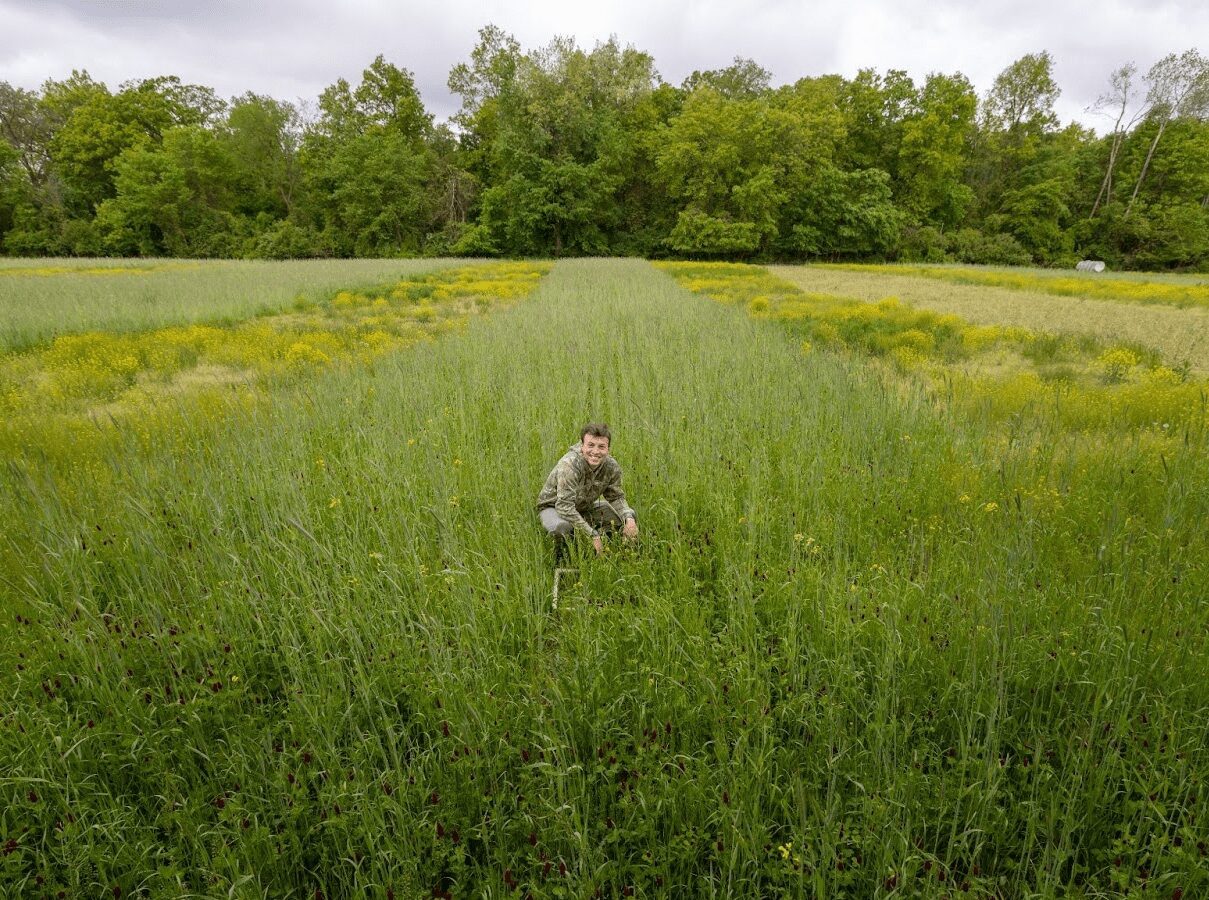
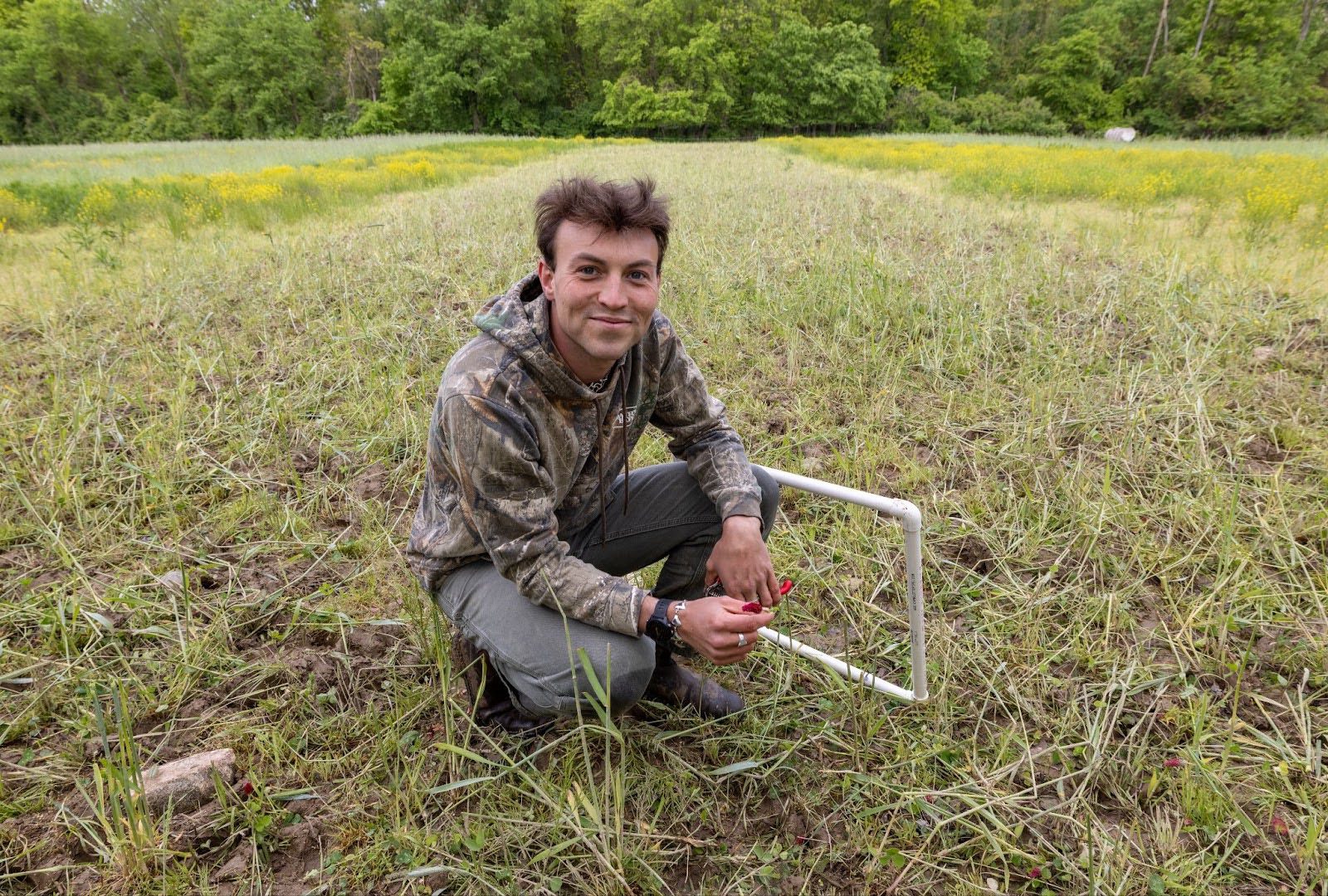
Brinkerhoff is pictured here in one of 48 experimental strips across four Michigan farms where he is conducting his research. This particular strip has not been grazed yet, and the strips to either side are “controls,” where he didn’t plant the cover crop and where weeds are growing, which Brinkerhoff says don’t have the same soil health benefits as the mix of cover crops.
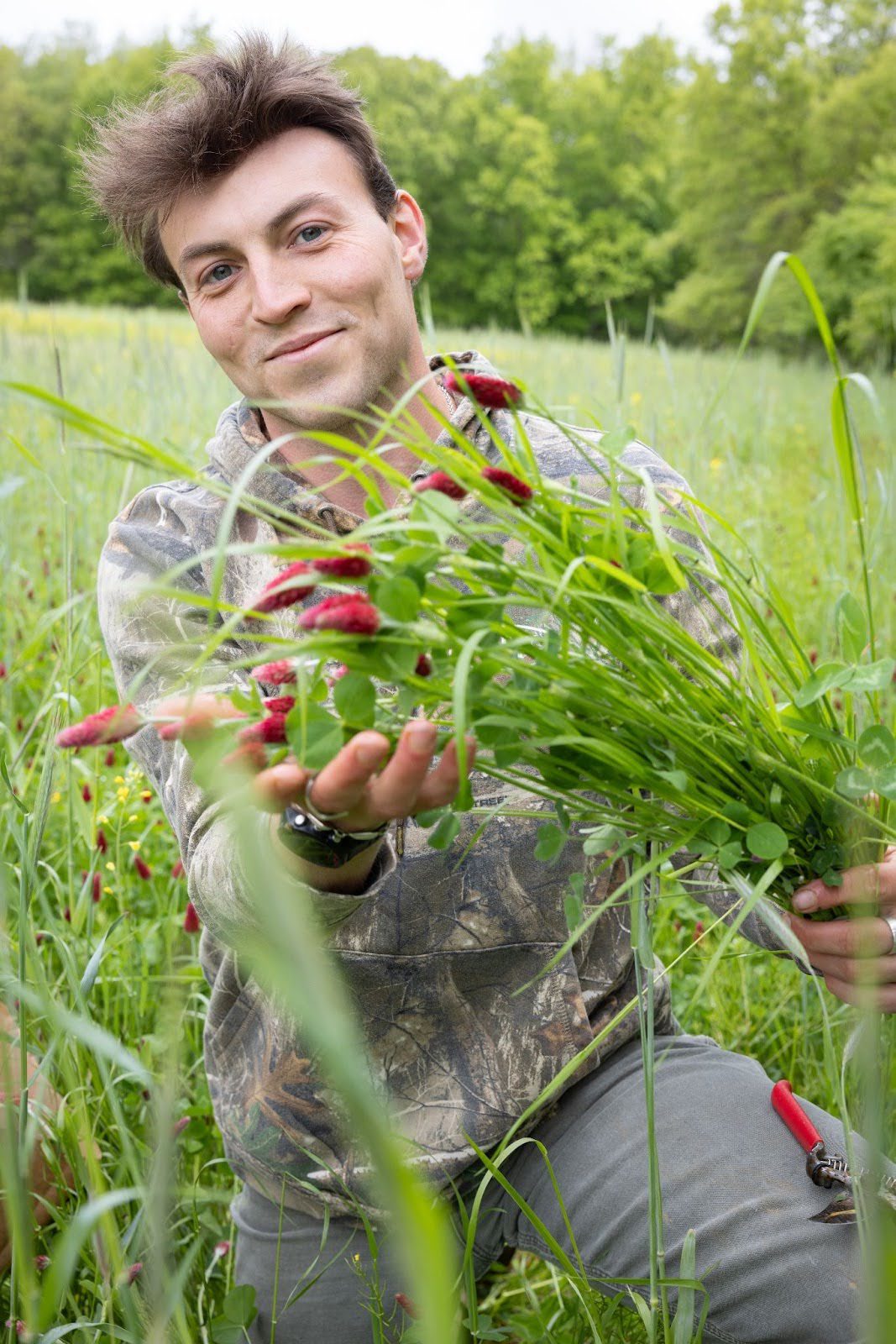
Before letting the cows graze, Brinkerhoff took baseline soil samples and has been tracking improvements to understand soil health changes on grazed compared to ungrazed cover crops. He is seen here holding crimson clover, one of the legumes in his intentionally selected blend of seven species, which can help optimize nitrogen deposits into the soil.
The blend also includes grasses such as ryegrass, considered “scavengers,” that can absorb fertilizers and retain them in the soil, helping to reduce runoff into the nearby Huron River.
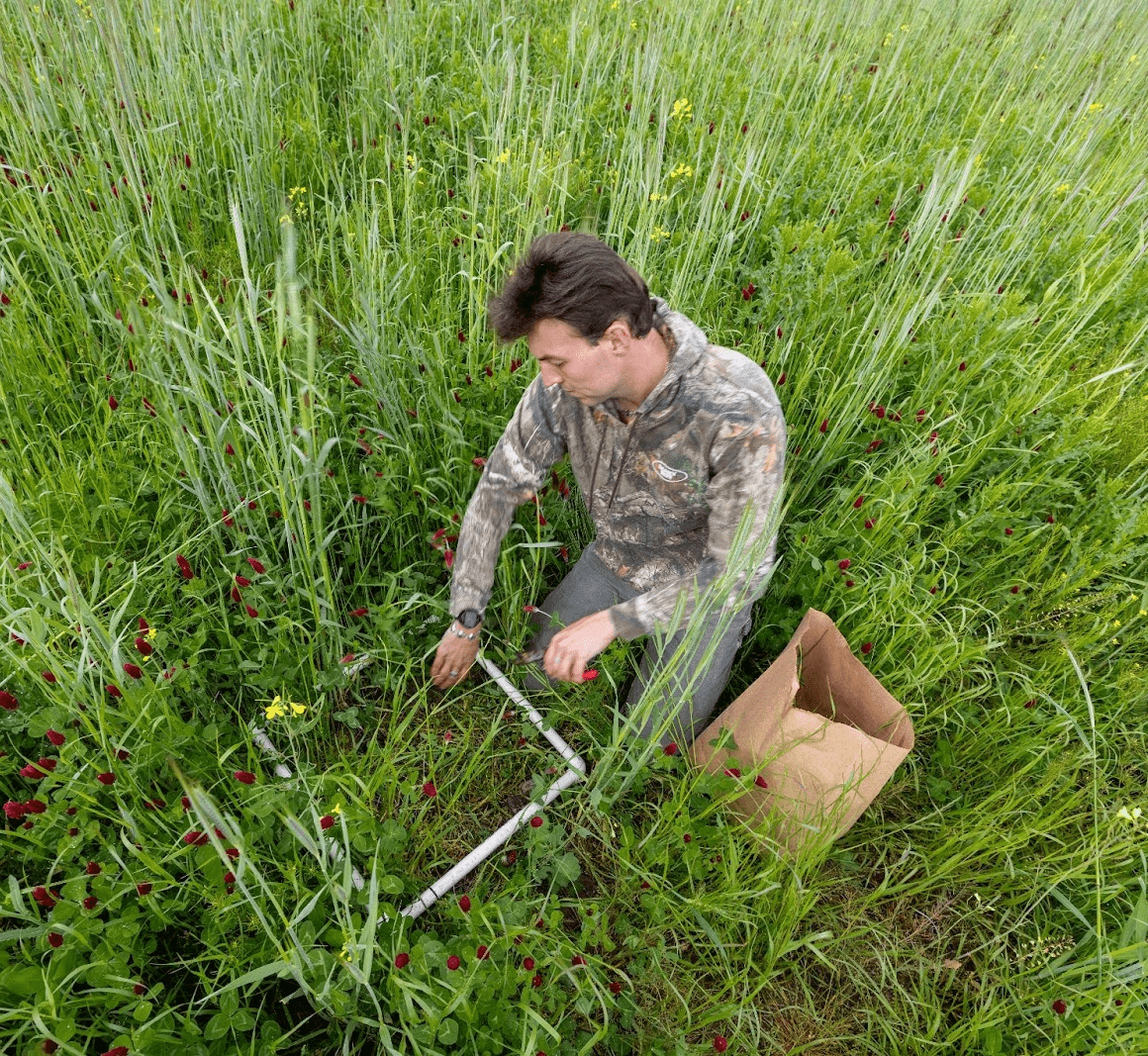
Brinkerhoff is seen here measuring biomass, or the amount of plants growing in the soil. This is a key step in tracking progress as soil health improves, because increased plant growth yields more soil health benefits.
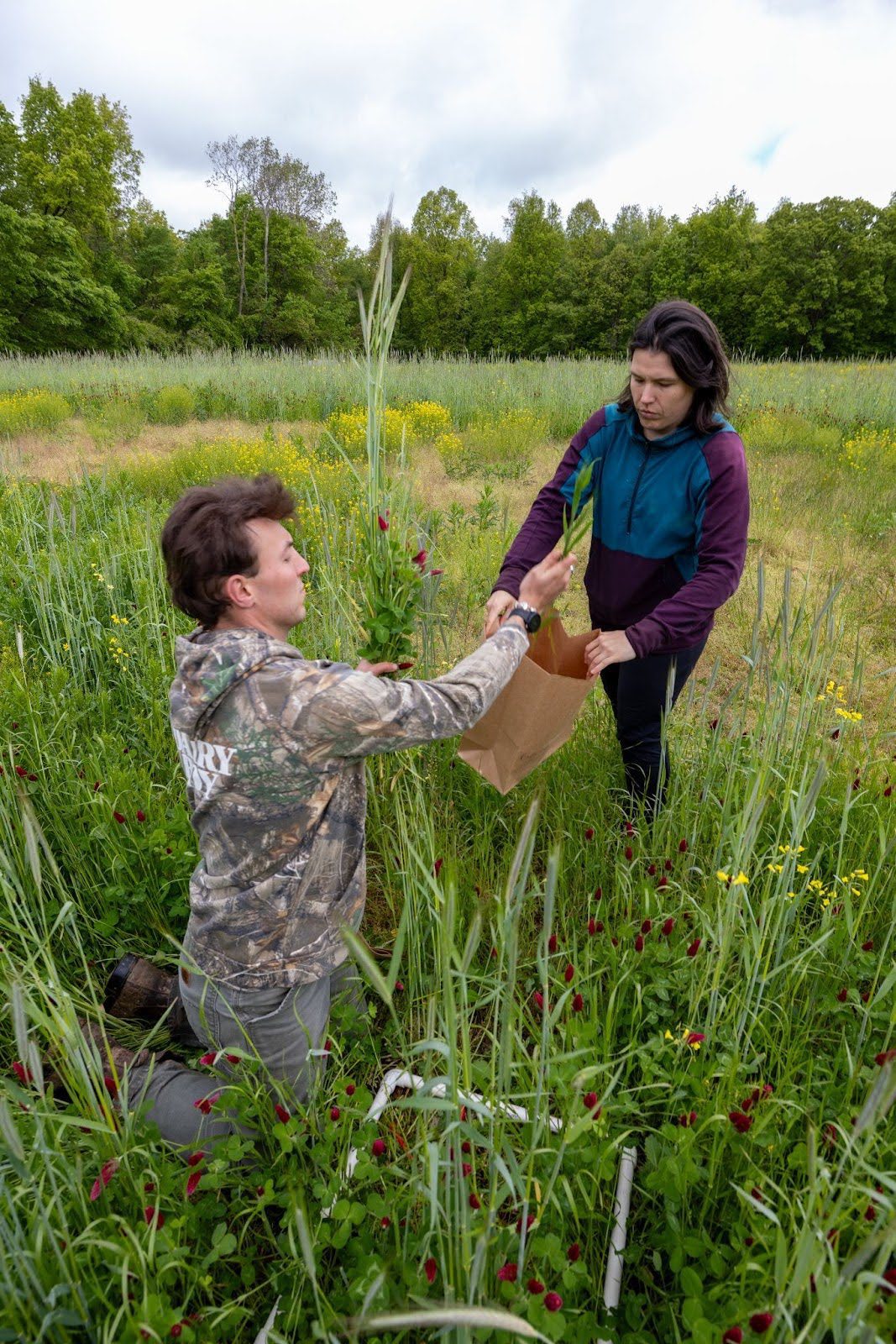
In this photo, Brinkerhoff is collecting biomass samples with SEAS alumnus Kiley Adams (MS ’23/MD ’24), who he says is one of many friends who have helped him throughout his experiments. To measure the amount of carbon and nitrogen in the crops, Brinkerhoff will analyze the samples in the Blesh Lab.
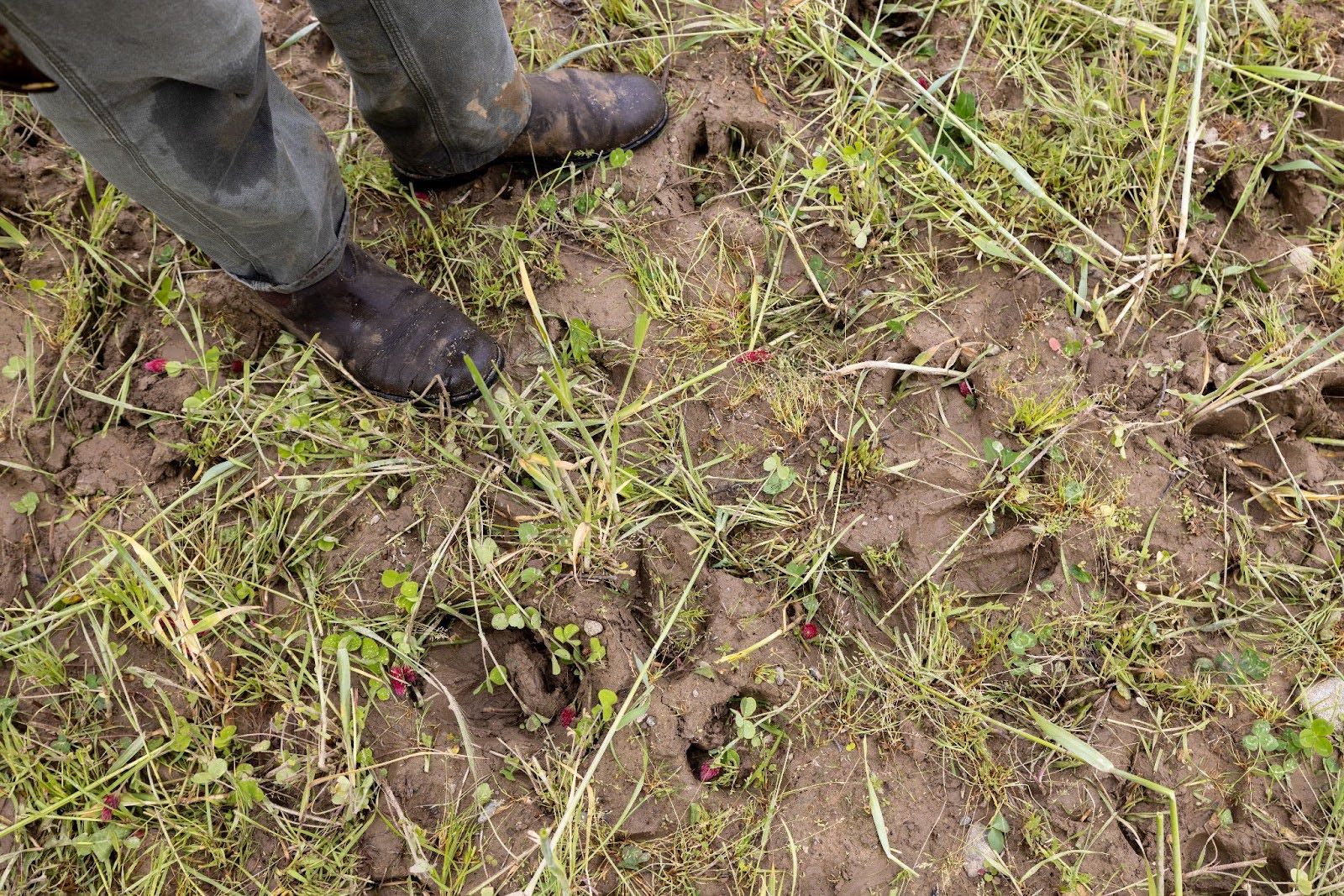
Brinkerhoff says that an additional benefit of cattle grazing is that manure is constantly being kneaded into the soil by their hooves. He explains that the gentle incorporation of nutrients from manure and cover crops into the soil is likely a pathway for soil to accrue the carbon and nutrients that improve overall health.
“Soil microorganisms are the mediators of all this chemical exchange and storage, and they live on the surface of soil particles. It is important that the cover crops and manure make direct contact with soil particles, and therefore, microorganisms, so that they can help build soil carbon and nitrogen reservoirs that improve soil health.”
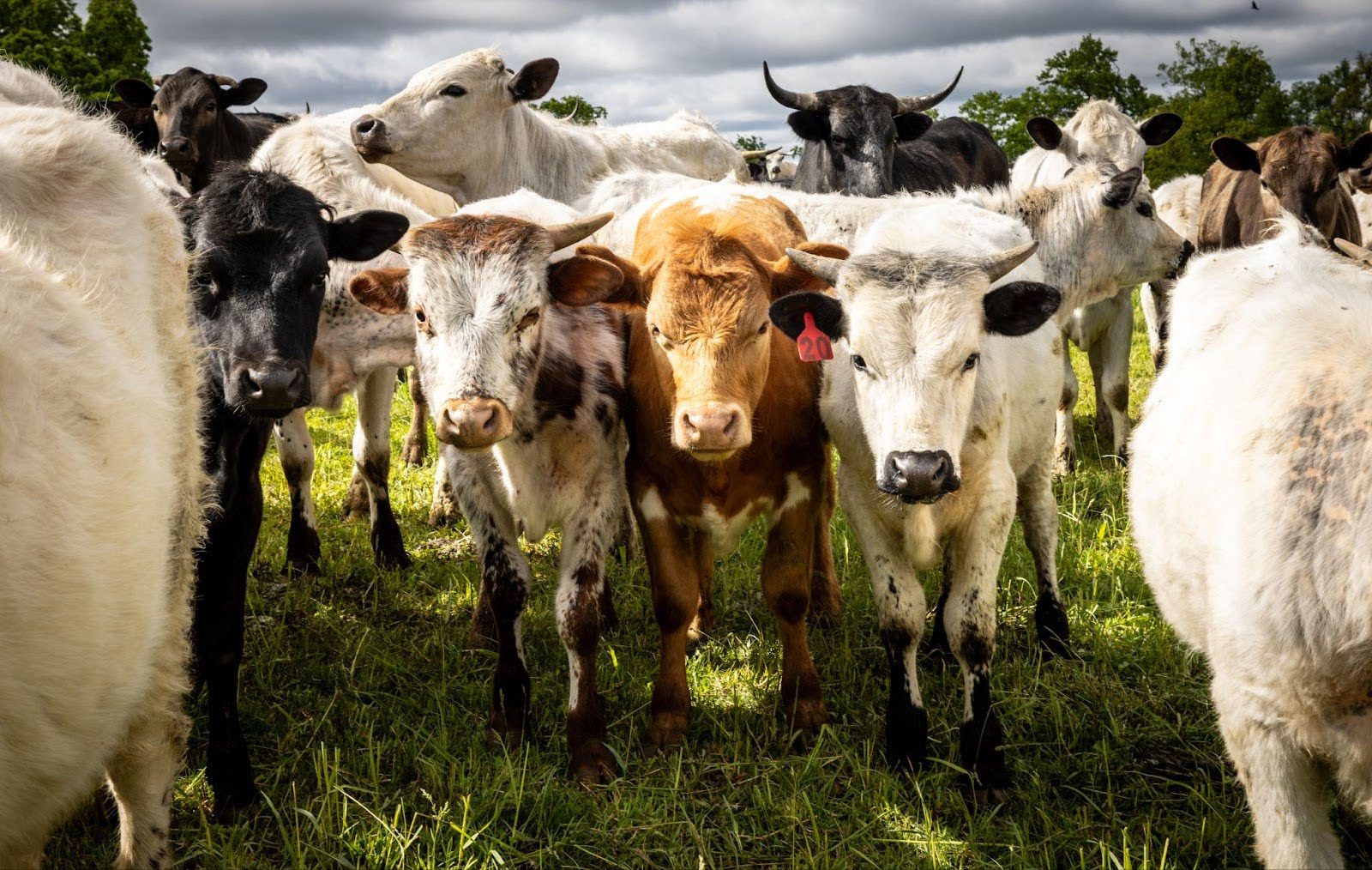
Brinkerhoff, whose parents founded Ann Arbor’s Argus Farm Stop as a way to support local farmers and foster community connections, says that integrating crop-livestock systems can also foster community collaboration while increasing efficiency and saving money.
You might be thinking, isn’t beef production known to cause significant levels of greenhouse gas emissions in the form of methane? It is, and the potential for grazing cattle as a regenerative practice that can offset these emissions is an additional consideration for Brinkerhoff’s work.
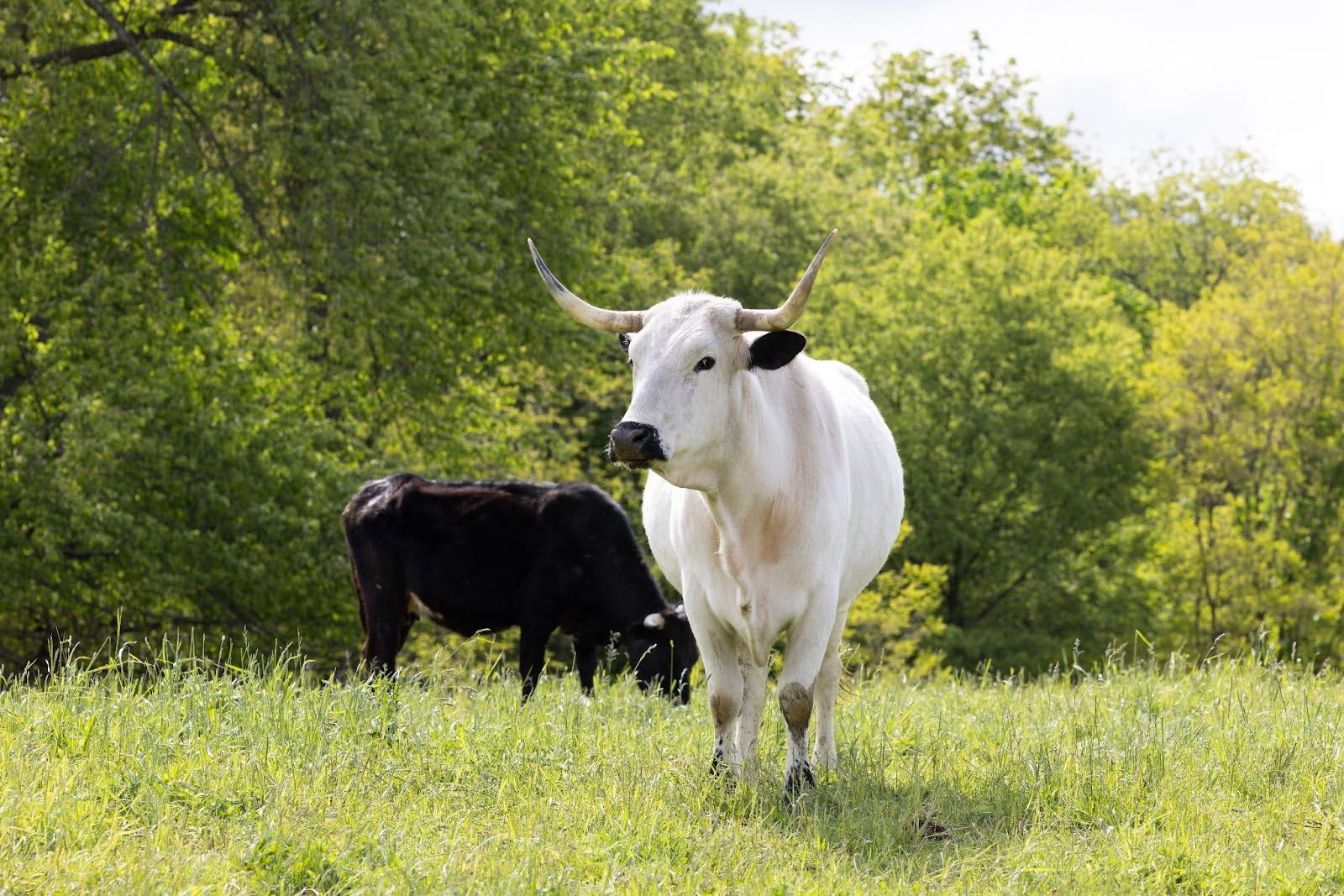
“We always say, ‘it’s not the cow, it’s the how.’ In other words, there are ways we can responsibly manage cattle to mimic the way that historic grasslands co-evolved with grazing animals. There are a growing number of ranchers around the country who are switching to this type of rotational grazing, and the results are incredible for both the animals and the environment.”
Brinkerhoff expects to complete his on-farm research in May 2026, and as he wraps up his dissertation in the following year, he hopes that his research can contribute to an improved, healthier food system.
“I imagine a world where rural America is better integrated, where neighbors can work together to share knowledge, where one farm’s waste is another farm’s fertilizer, where food production has a smaller footprint on the environment and relies more on farmers than chemicals. All of those things are touched on by this practice. As we phase out of fossil fuel use, we need to find solutions to meet our nutrient demands in the food system—and that work has to happen now for us to be ready to walk into a more sustainable future.”