Michigan Research
April 2026From AI maps predicting heat risk in Nairobi to roof coatings cooling homes in São Paulo, University of Michigan researchers are working alongside global partners on the world’s hardest problems — and bringing the lessons back to Michigan, where similar questions about health, climate and opportunity shape our own communities.
Explore this edition featuring the partnerships, instruments and ideas reshaping how research gets done — including new economic evidence that migration grows the economies migrants leave behind, a starlight-splitting instrument bound for the world’s largest telescope and a case for why U-M’s expertise is only as valuable as our willingness to learn.
What’s on This Page
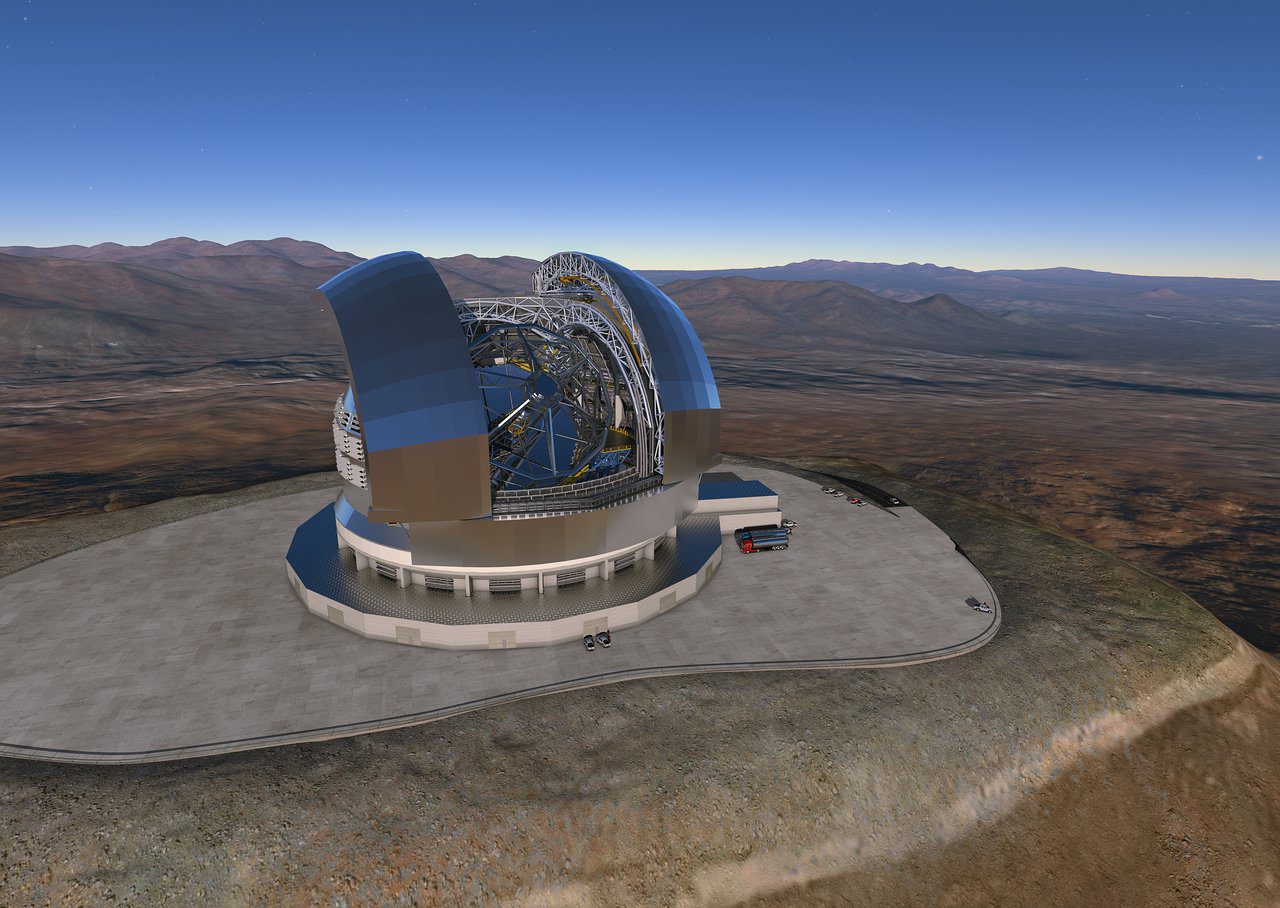
U-M joins MOSAIC build team to power next generation of astronomers
By Kelsey Keeves
U-M is joining the build team for the world’s largest telescope, helping design the instrument that will split starlight from hundreds of distant galaxies at once.
With a 39-meter mirror rising in Chile’s Atacama Desert, astronomers Christopher Miller and his colleagues expect to see the universe’s first stars, trace how dark matter shapes cosmic expansion and watch how the Milky Way took its present form.
Read more about U-M’s role in the Extremely Large Telescope.



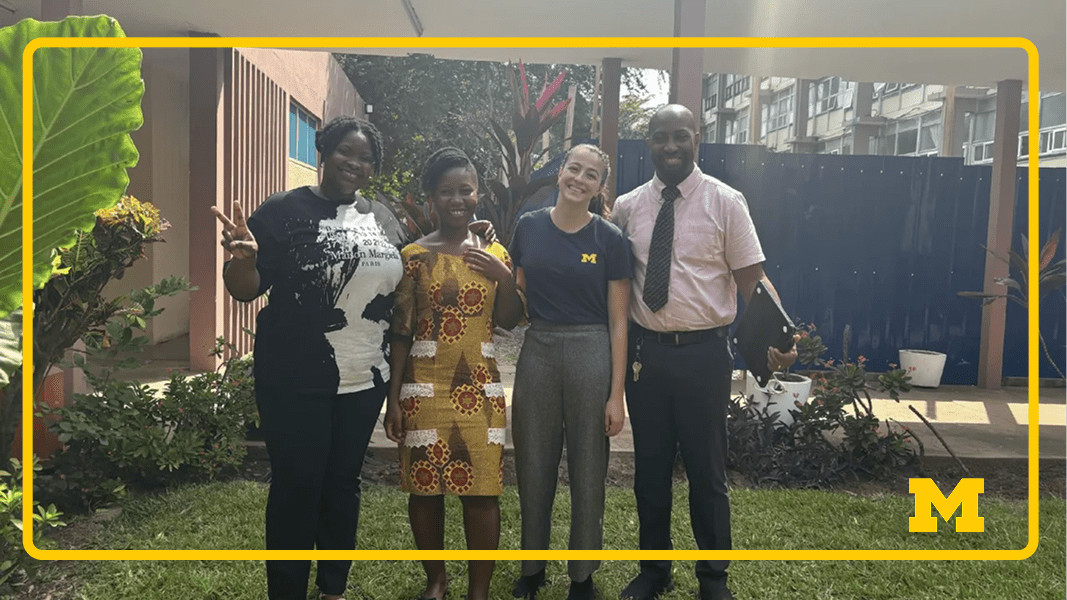
U-M’s expertise is only as valuable as our willingness to learn
By Akbar K. Waljee, MD, MS
Leslie D. Yamada and Tachi Yamada M.D. Director, University of Michigan Center for Global Health Equity
U-M likes to ask how it can bring its expertise to the world. CGHE Director Akbar Waljee argues we’re asking the wrong question — and that treating global partners as co-creators, not subjects, produces stronger science, more durable impact and better answers to the questions that matter.
Read why U-M’s expertise is only as valuable as our willingness to learn.
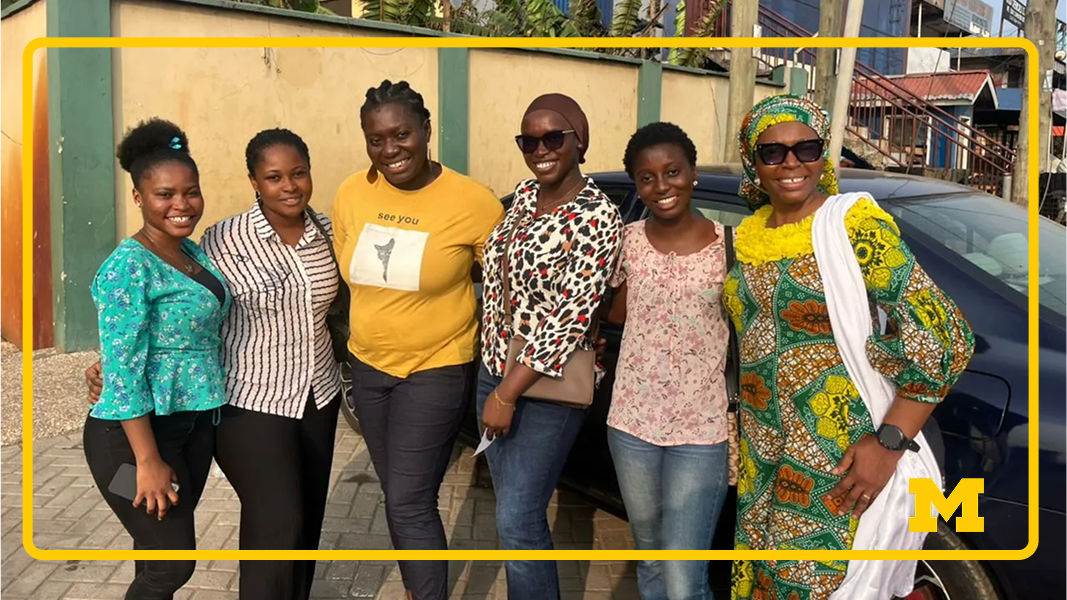
Meet the researchers asking whether we’ve been looking in the wrong direction
By Bettina Senga
Innovations born in places with no reliable electricity — cool roofs, community health workers, low-tech jaundice screens — may be solving problems U-M hasn’t cracked. Eight U-M researchers are partnering to find out.
Read more about the researchers asking whether we’ve been looking in the wrong direction.
Impact stories: Research at the University of Michigan
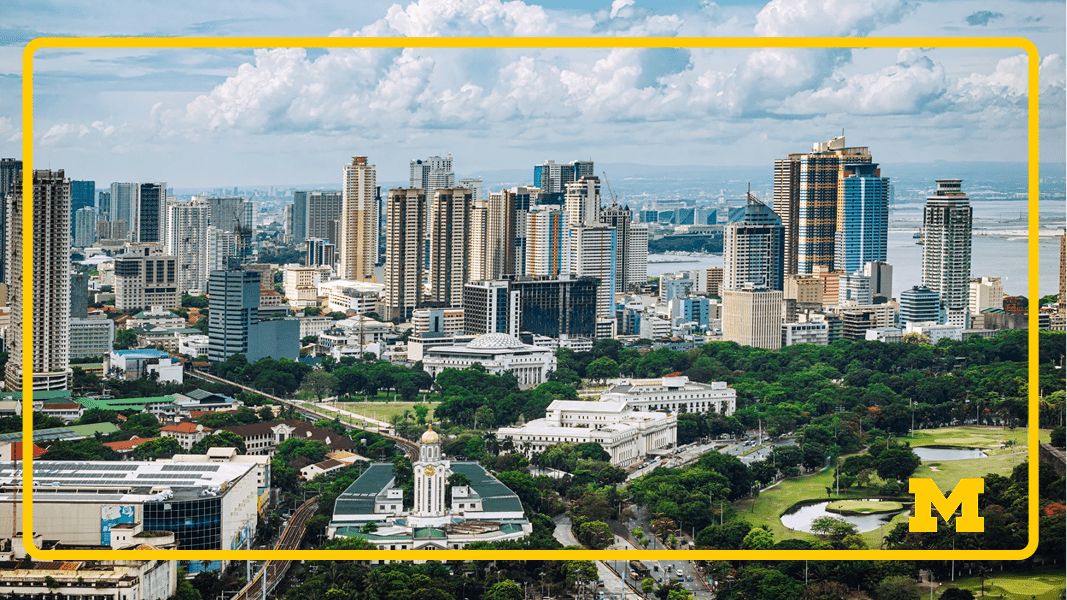
International migration drives long-run economic development back home
“Brain drain” gets the story backwards — international migration can grow the home economy more than the money migrants send back. U-M economist Dean Yang tracked the Philippines for 20 years to prove it. Read more about how migration builds up the places migrants leave.
By Jon Meerdink
Institute for Social Research
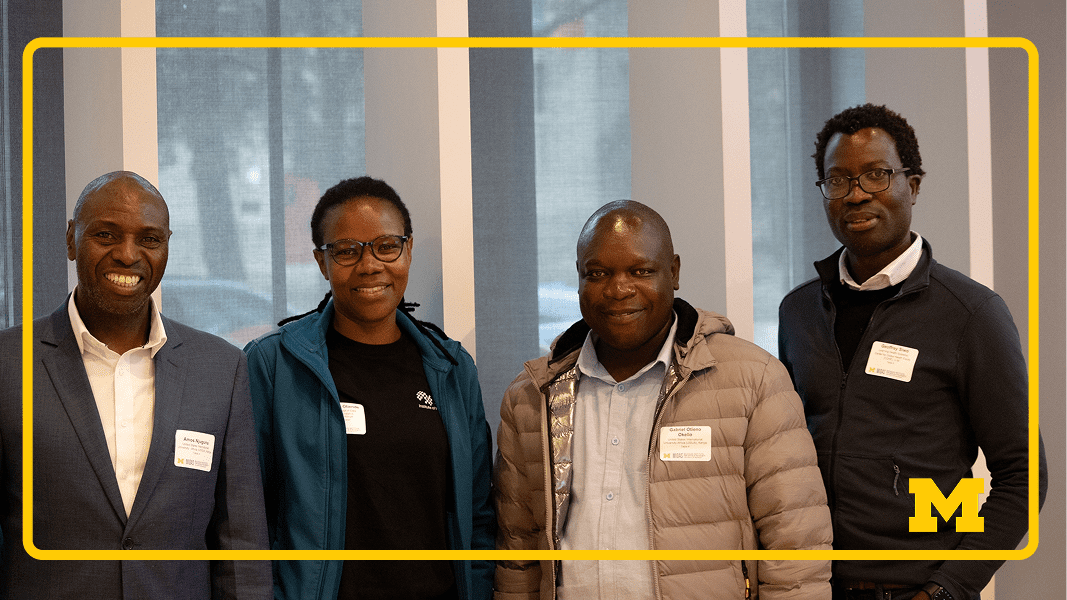
AI model helps predict heat risk in Kenya’s informal settlements
Heat waves hit hardest in places with the fewest defenses — Kenya’s informal settlements. Verrah Otiende, a MIDAS African Faculty Fellow at U-M, is building AI maps that show exactly who’s at risk, block by block. Read more about using AI to predict heat risk where it matters most.
By Justin Varney
The Michigan Institute for Data and AI in Society
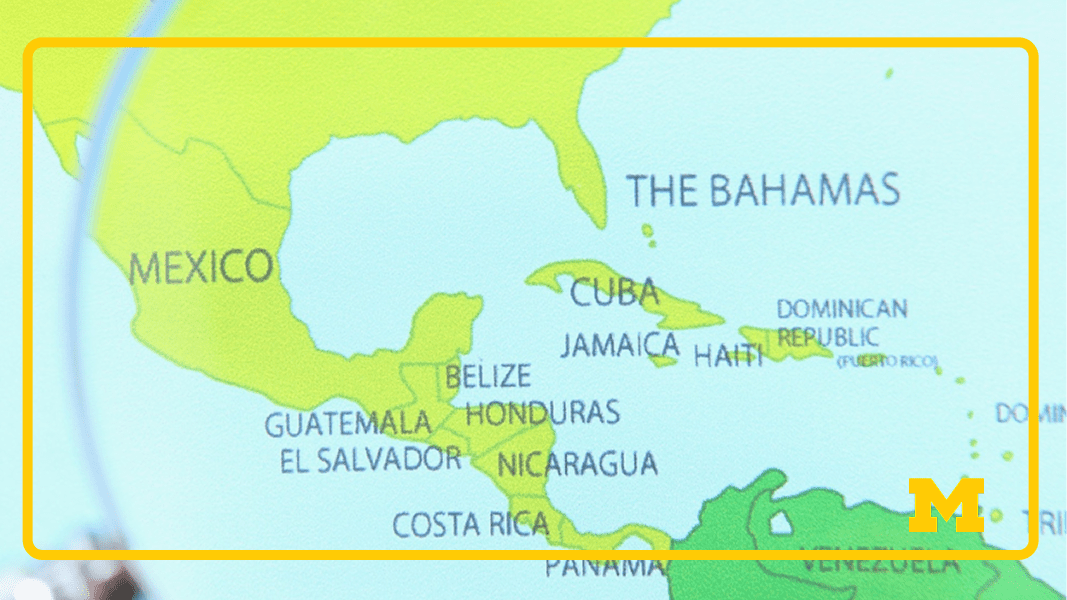
The education journeys of migrant youth and the overlooked role of educators
Rural schools in Honduras — quietly absorbing the stress of mass emigration and deportation — may be the most overlooked piece of U.S. immigration policy. U-M researcher Michelle Bellino is listening to the teachers caught in between. Read more about the educators on the front lines of migration.
By Danielle Dimcheff
Marsal Family School of Education
About Michigan Research
Michigan Research is the University of Michigan’s flagship monthly e-newsletter, produced by the Office of the Vice President for Research. Each edition spotlights groundbreaking U-M research and scholarship that addresses critical challenges, sparks innovation and shapes the future across a range of disciplines.