AI model helps predict heat risk in Kenya’s informal settlements
By Justin Varney
The Michigan Institute for Data and AI in Society
As climate change drives more frequent and intense heat waves, risks are rising fastest in places least equipped to respond. In informal settlements across Kenya, dense populations, limited infrastructure and constrained access to health care create conditions where extreme heat can quickly become life-threatening.
Verrah Otiende, a MIDAS African Faculty Fellow and assistant professor at United States International University-Africa, is working to address this challenge through an AI-driven framework that predicts heat stress, identifies vulnerable populations and enables timely interventions in resource-limited urban environments.
Her research integrates environmental, health and socioeconomic data to generate granular predictions of heat risk. By analyzing variables such as temperature, humidity, population density and access to resources, the system identifies which areas and populations are most at risk.
“Informal settings, where heat stress affects most, are least studied and served by early detection systems,” Otiende said. “These communities have poor housing, water shortages and overburdened health services. AI enables us to go beyond city-level predictions and pinpoint who is most at risk and where, so efforts can reach the most vulnerable before a catastrophe.”
The framework produces dynamic heat risk maps that serve as the foundation of an early warning system. The system is designed to deliver targeted alerts through mobile technologies, helping ensure accessibility in low-resource settings.
Using agent-based modeling, the framework can also simulate how individuals interact with their environment. This allows policymakers to test potential interventions before implementation. For example, simulations can estimate how adding shaded areas, cooling centers or water distribution points in specific neighborhoods could reduce heat exposure and inform resource allocation.
“When resources are scarce, every decision about where to place a water point or cooling center has significant effects,” Otiende said. “Our simulations allow planners to test choices in a virtual setting before implementing them in real life. This helps identify which actions will most effectively protect at-risk populations and reduces reliance on assumptions or generalizations.”
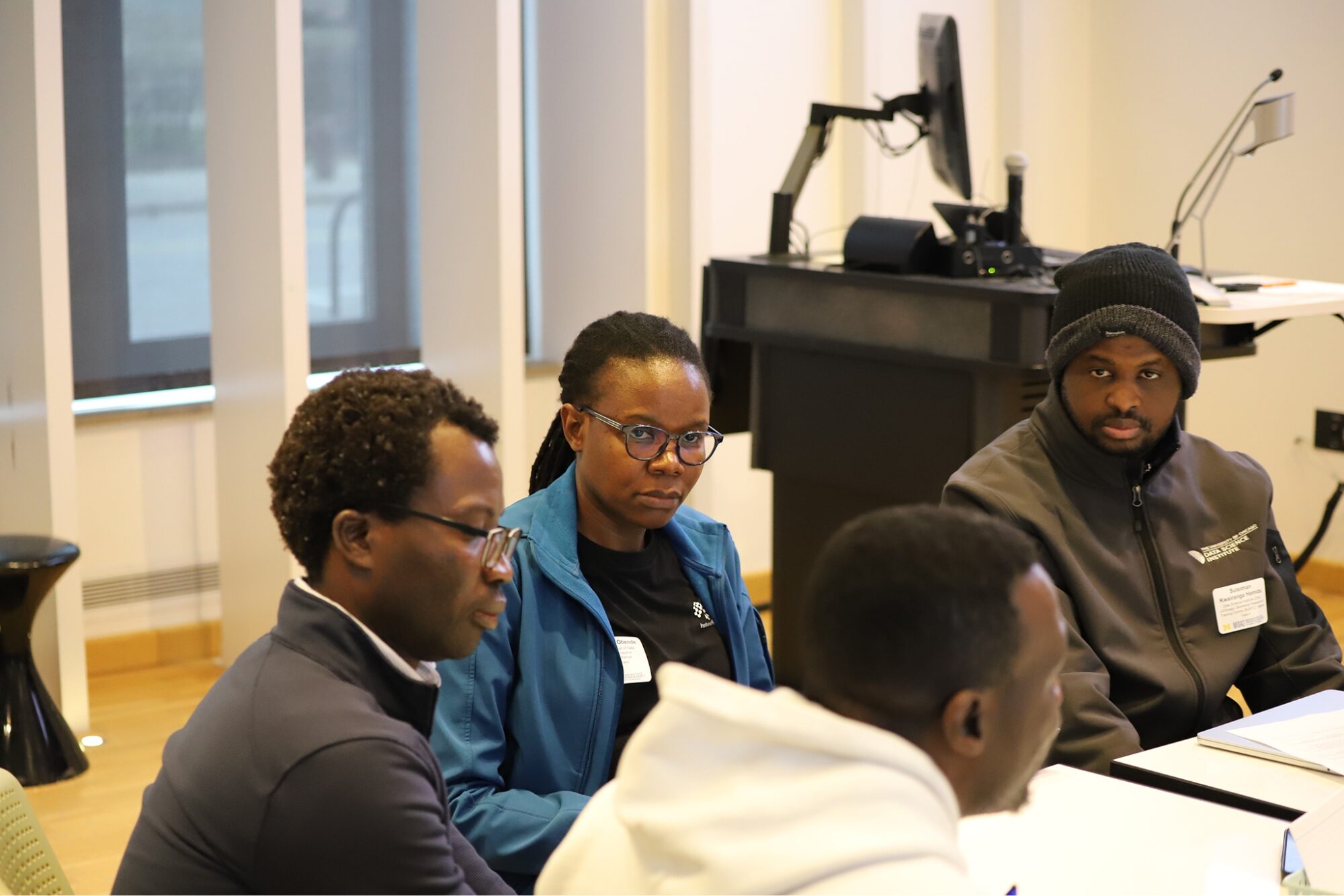
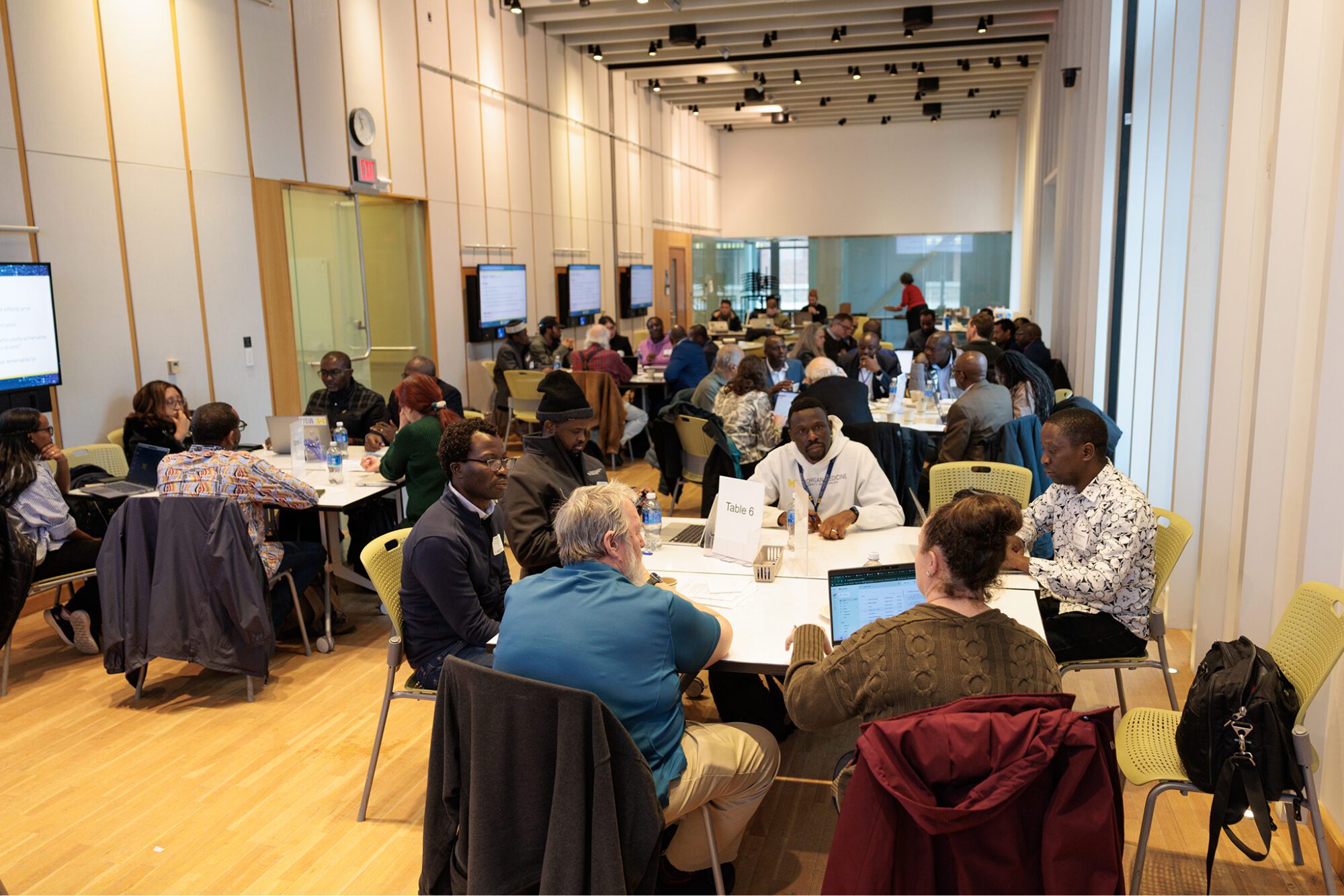
Otiende’s research is supported by the Eric and Wendy Schmidt AI in Science African Faculty Fellows program, which connects African faculty with University of Michigan resources to advance AI-driven research in science and engineering. Fellows split their time between U-M and their home institutions, conducting research and training with support from the African Studies Center.
For the University of Michigan, these collaborations strengthen research by engaging with real-world challenges.
“Research on climate-related health risks is only as effective as its grounding in real-life conditions,” said Geoffrey Siwo, assistant research professor at Michigan Medicine and a MIDAS African Faculty Fellows mentor. “Collaborating with researchers who understand these communities helps us build AI systems that are both technically sound and practically useful. It improves the reliability of our methods and increases the likelihood that our findings will have real-world impact.”
Partnerships with institutions such as United States International University-Africa expand U-M’s ability to test and refine AI methodologies in applied settings while also building local research capacity.
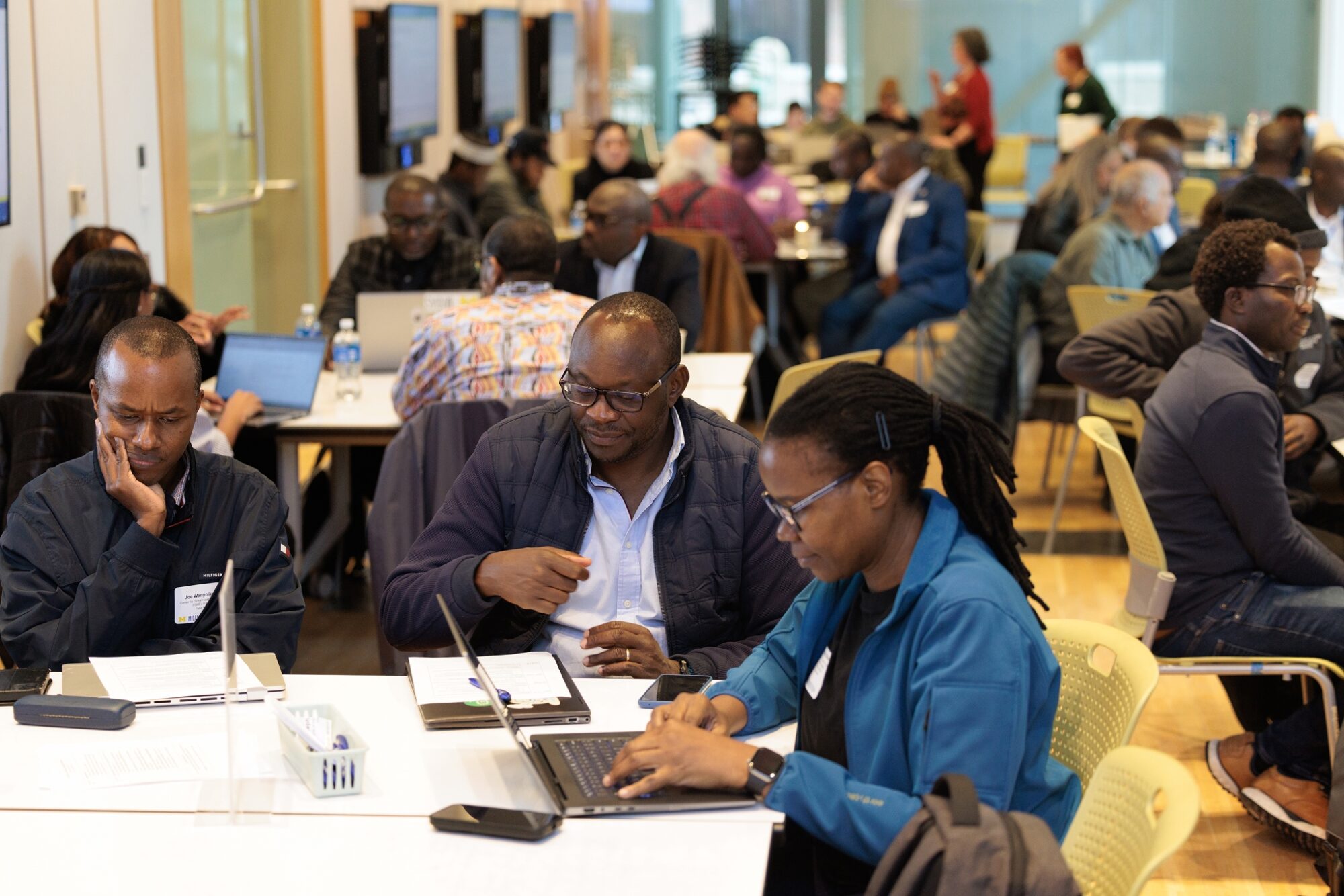
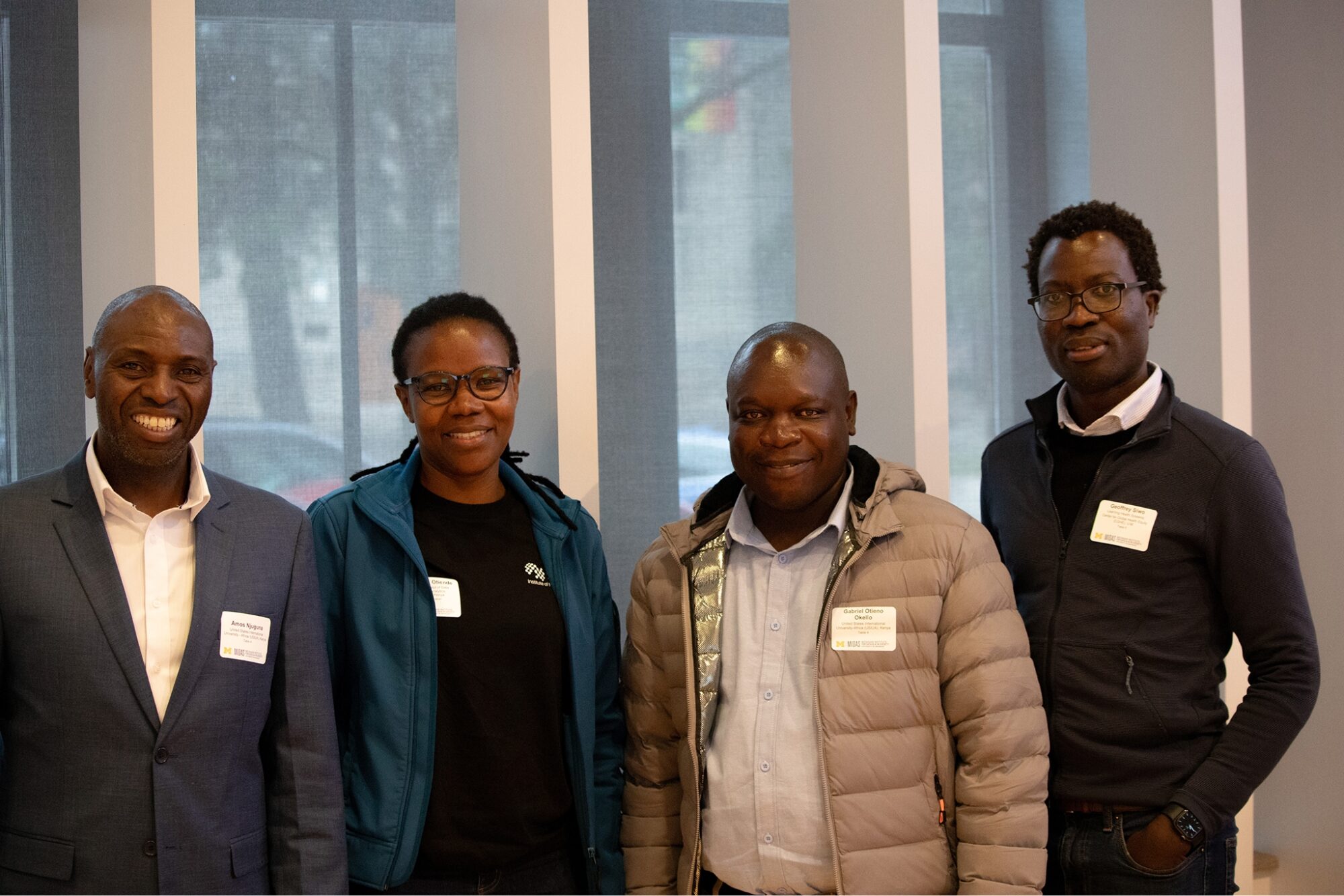
Otiende said the work is also shaping how students and researchers view AI.
“What I find most fascinating is how teams engage with problems that directly affect their communities,” she said. “When they realize the model they helped build could help a local government decide where to place a cooling center, their perspective shifts. AI becomes a practical tool for community impact rather than an abstract concept.”
The research is structured in three phases: data collection, model development and validation. It draws on satellite imagery, public health records and demographic data to build a comprehensive understanding of heat vulnerability. As models are tested across different informal settlements, the framework is refined to ensure accuracy and adaptability.
“The AI algorithms we are designing are intended to be flexible,” Otiende said. “The approach can be adapted globally, with the goal of supporting early warning systems in urban areas across Africa. Success will mean governments using these heat risk maps to make decisions that save lives.”
“What I find most fascinating is how teams engage with problems that directly affect their communities. When they realize the model they helped build could help a local government decide where to place a cooling center, their perspective shifts. AI becomes a practical tool for community impact rather than an abstract concept.”
For U-M, the collaboration represents a model for how global partnerships can advance both research and impact. It combines advanced data science with local expertise, linking theory with on-the-ground realities.
“For an institution like ours, having a researcher engaged with a program of Michigan and MIDAS’s caliber is deeply significant,” said Gabriel Okello, assistant professor of statistics and data science at United States International University-Africa. “It shows our students these opportunities are within reach and raises expectations for what we can achieve as a research community. We hope Otiende brings back not just knowledge, but the confidence to lead and produce research that reflects African realities with global scientific credibility.”
Ultimately, Otiende’s work demonstrates how AI can be used to anticipate crises rather than react to them, helping protect vulnerable communities and inform urban planning in rapidly growing cities. The collaboration between U-M and African institutions offers a model for combining local expertise with advanced data science to produce solutions that are equitable, actionable and globally informed.