
Electric flying poised to drive the future
By Wendy Sutton
In 1884, Charles Renard took to the skies in the dirigible La France for the world’s first powered, fully controlled flight. The aircraft’s motor relied not on fuel, but on a zinc-chlorine battery. The achievement sparked early hopes that electric-powered aviation would soon shape the future.
Throughout the 20th century, the idea of flying cars captured the imagination and inspired cartoons like “The Jetsons.” Despite ongoing research, practical electric flying vehicles remained out of reach. But now, that vision is finally being realized.
“One hundred forty years have passed since that first powered flight, but I think we’re finally reaching the point where electric aviation is becoming a reality,” said Venkat Viswanathan, professor of aerospace and materials science and engineering. “We want these aircraft to be a part of the sustainability story. One of the dominant applications will be in medical use.”
Electric flying cars, formally known as electric vertical takeoff and landing (eVTOL) vehicles, are set to play a critical role in a number of applications, from cargo delivery to emergency response.
They can transport donor organs to hospitals within narrow timeframes for transplantation and deliver emergency medical treatment directly to remote or congested locations faster than ground ambulances.
Their compact size and vertical takeoff and landing capabilities enable them to reach areas where helicopters, such as medevacs, cannot land. This combination of speed and agility promises to save lives when every minute counts.
“We’ve waited more than a century for electric aviation to catch up with our imagination. Now, we finally have the technology to make it real and meaningful. These aircraft aren’t just about innovation for innovation’s sake. They have the power to bring lifesaving care where it’s needed most. That’s the future we’re working to build.”
Viswanathan has played a key role in making eVTOL vehicles possible. With over a decade of work advancing battery technology, his innovations are addressing the biggest challenges in the field by building batteries that are powerful, lightweight and durable enough for real-world flight.
Tremendous bursts of energy are necessary for eVTOLS to achieve vertical lift using propellers. Unlike conventional planes, they also demand significant power during landing.
Most current eVTOLs rely on conventional electric vehicle batteries, which due to their weight, are limited to a flight range of about 30 to 50 miles, restricting options for use.
Overcoming this limitation requires aviation batteries that are much lighter than those used in electric cars, yet capable of delivering far more power.
Through extensive research and partnerships with aircraft manufacturers, Viswanathan’s team has created new lithium metal battery prototypes that can nearly double or triple this range. These batteries have been tested in both controlled settings and real-world flight trials with companies such as Pivotal, based in Palo Alto, California.
The batteries consistently provided sustained power for the duration of flights and survived hundreds of charge cycles, meeting crucial milestones for aviation.
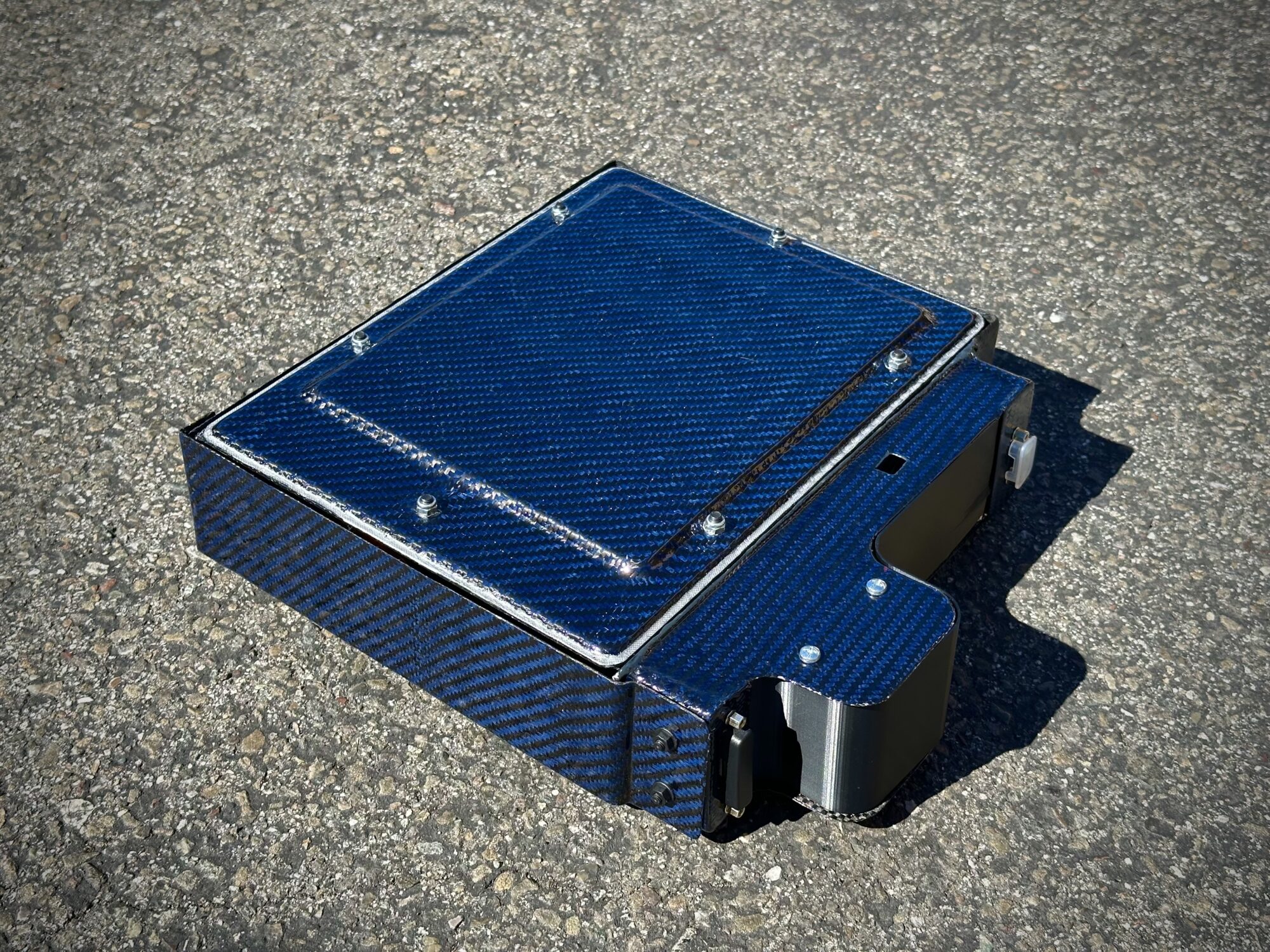
Battery module Mark III
Photo credit And Battery Aero, Inc.
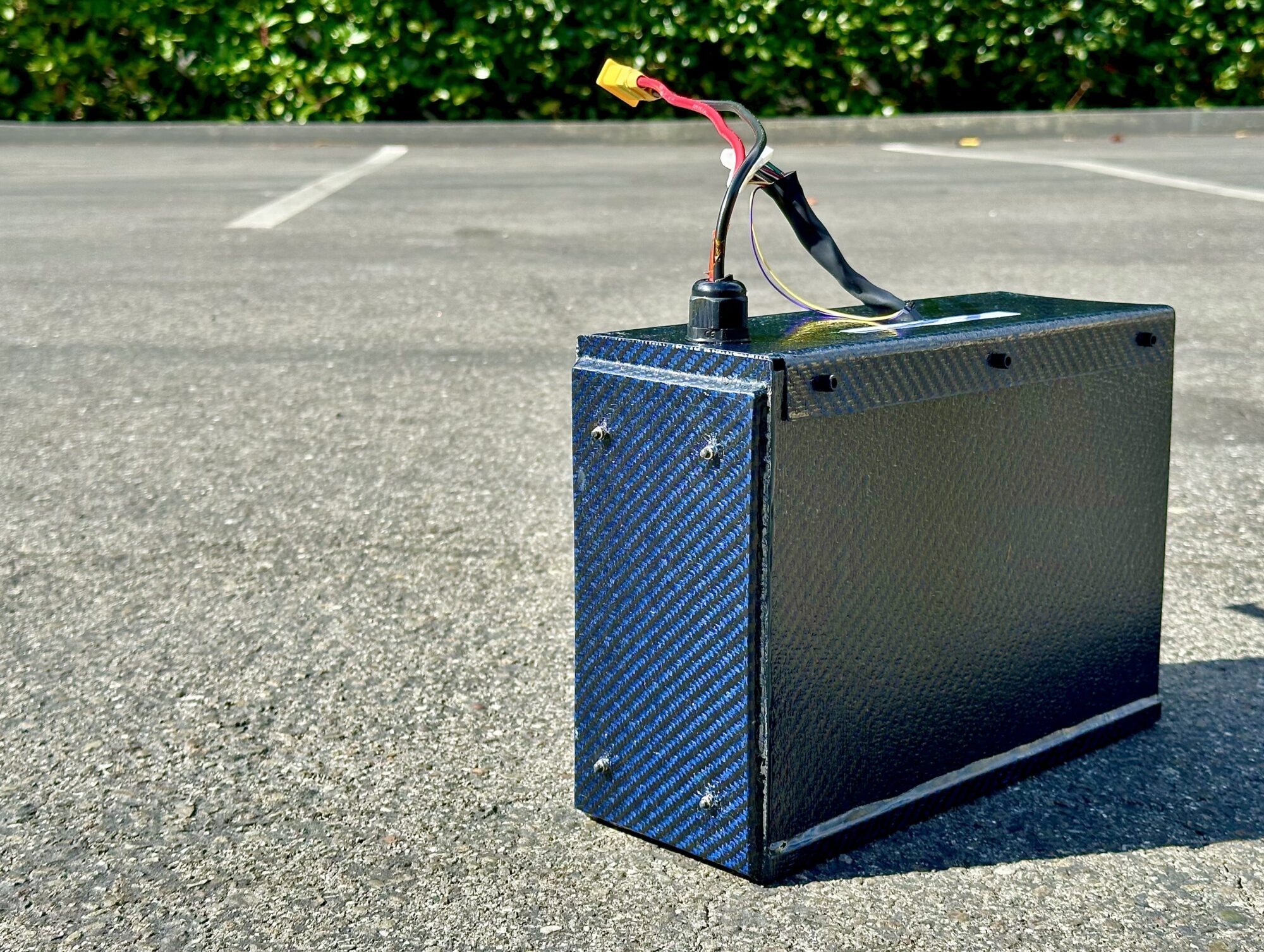
Battery module Mark IV
Photo credit And Battery Aero, Inc.
While lithium metal batteries are not a new idea, earlier versions were hampered by the formation of dendritic, snowflake-like structures inside the cell. These dendrites can grow and pierce internal battery layers, creating a risk of short circuits or fires. Viswanathan’s lab addressed this by developing a novel solid electrolyte that blocks dendrite growth, enabling the battery to operate safely and reliably at high performance levels required for aviation.
This improved battery design enables safe and consistent power for both takeoff and landing, even when charge levels are low. These advances, demonstrated through collaborations with manufacturers and with And Battery Aero, a startup Viswanathan co-founded, have enabled eVTOLs to achieve ranges of more than 100 miles, making them viable for long flights such as those required in organ delivery.
With more than $20 million in funding from the Department of Energy’s Advanced Research Projects Agency–Energy, and partners such as Massachusetts-based battery manufacturer 24M Technologies, the team has scaled up their technology from lab-scale innovations to large-format battery cells similar to those found in laptops, but engineered for the demands of aviation. These achievements are paving the way for these vehicles to play a vital role in building a sustainable, equitable transportation future.
“We’ve waited more than a century for electric aviation to catch up with our imagination,” Viswanathan said. “Now, we finally have the technology to make it real and meaningful. These aircraft aren’t just about innovation for innovation’s sake. They have the power to bring lifesaving care where it’s needed most. That’s the future we’re working to build.”