
National Oceanic and Atmospheric Administration
The National Oceanic and Atmospheric Administration partners with researchers across U-M to understand and predict changes in climate, weather, oceans and coasts, while also working to conserve and manage coastal and marine ecosystems and resources.

$12 Million
Research Supported by NOAA in FY26

45
Active Projects Supported by NOAA
University of Michigan researchers have found subtle connections between climate patterns playing out around the world and the Great Lakes’ extratropical cyclones. These long-distance linkages, or teleconnections, could help Great Lakes meteorologists better predict weather during any given winter
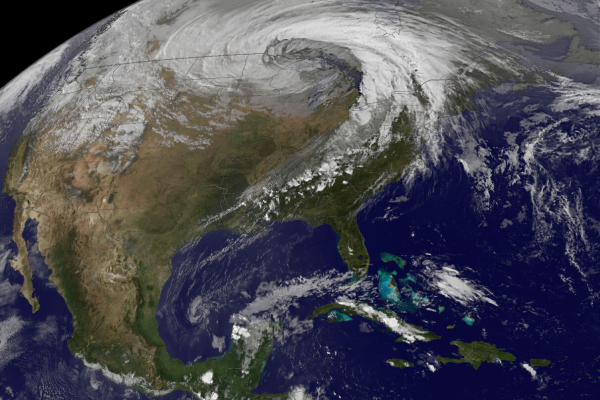
Research from the University of Michigan has shown how global climate patterns are influencing extratropical cyclones in the Great Lakes region, like this strong storm from 2010 that’s centered on Northern Minnesota and Southern Canada. Image credit: NASA Earth Observatory
Municipalities and federal agencies monitor U.S. waters for microcystins, a toxin produced by harmful algal blooms in Lake Erie, but a University of Michigan study shows that the blooms produce a greater range of potentially toxic compounds than previously known.
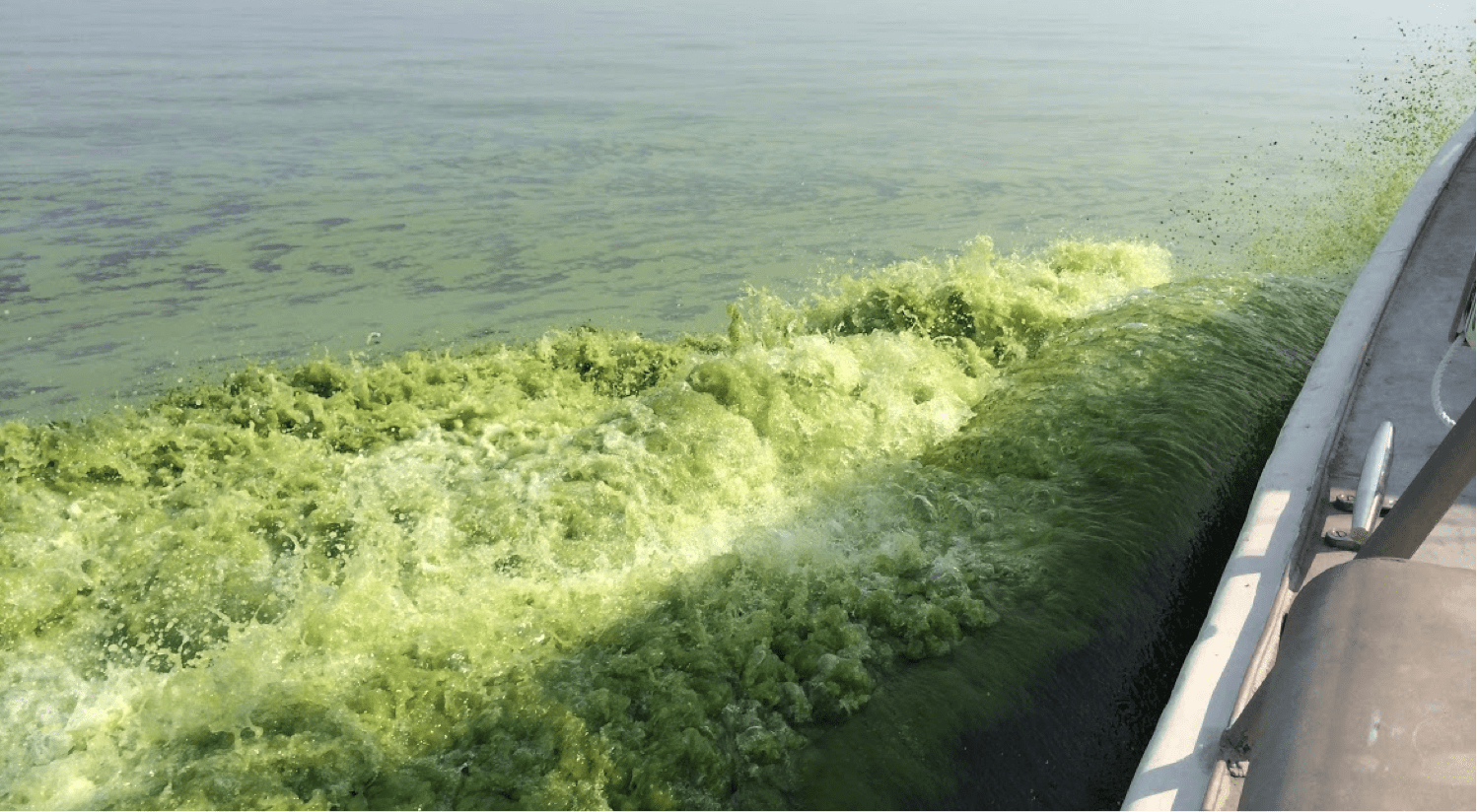
Green scum from a cyanobacterial harmful algal bloom in western Lake Erie.
Image credit: McKenzie Powers.