
Michigan Research
September 2026The cell phone that interrupts a lesson can also remind a student to take medication. As Michigan schools set new limits on student phones, University of Michigan researchers are studying which rules work, and for whom. This month’s Michigan Research, featuring the Gerald R. Ford School of Public Policy, also covers food assistance errors often mistaken for fraud, Americans in U.S. territories who can’t vote for president and Dean Celeste Watkins-Hayes on how a research mindset is central to a public policy education.
What’s on This Page
Cell phones away. Then what?
Eric Shaw
Office of the Vice President for Research
Michigan’s new law tells school districts to restrict phones in class, but not how. U-M researchers are studying the question two ways: statewide, by following the rules districts chose, and nationally, by measuring what happened when schools locked phones in pouches.
A pocket, a locker or a locked pouch. The video follows the Michigan study as the team reads the rules districts wrote for themselves, finds that most let students keep phones out of sight rather than out of reach and sets out what it will measure next.
U-M studies examine what schools are doing to address cell phone use among students
Kate Barnes
Office of the Vice President for Research
With a statewide study in Michigan and a national study of lockable pouches, the Ford School’s Brian Jacob and colleagues in public health and injury prevention are asking which cellphone rules help students and at what cost.
Read how U-M researchers are building the evidence Michigan’s cellphone law didn’t come with
At Ford School, public policy connects evidence to action
Celeste Watkins-Hayes
Joan and Sanford Weill Dean of Public Policy, University of Michigan Gerald R. Ford School of Public Policy
Producing evidence is only the first step. Public leaders must know how to evaluate research and use its findings responsibly within institutional and community contexts. Doing so requires both analytical tools and sound judgment. That is why public policy education matters.
A safety net that keeps its promise
Rebecca Cohen
Ford School of Public Policy
A lower SNAP error rate doesn’t always mean a better program. Under a 2025 federal law, states with error rates of 6% or higher must cover a share of benefit costs starting in October 2027. Ford School professor Pamela Herd and the Better Government Lab are helping states target mistakes with data rather than more paperwork for every applicant.
Read how data could help states reduce SNAP errors without making food assistance harder to get.

Impact stories: Research at the University of Michigan
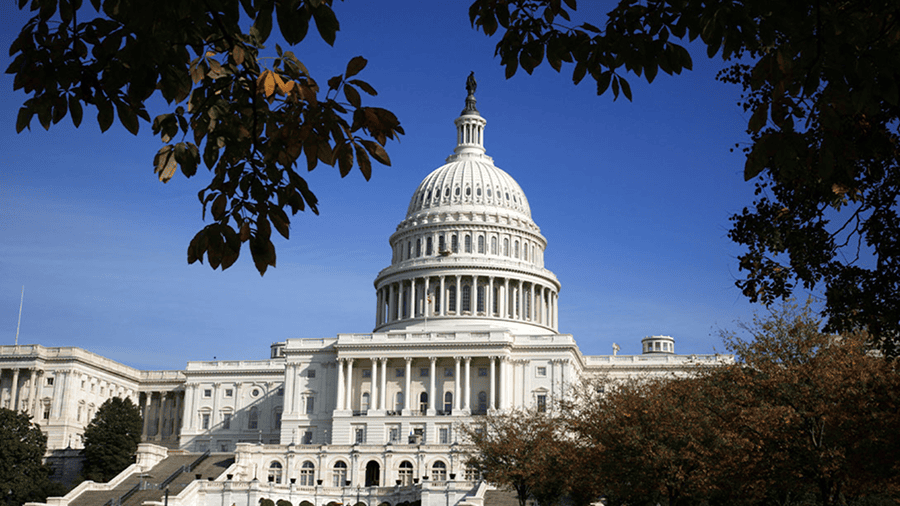
As voters weigh incumbents, U-M research complicates the case for congressional term limits
Ava Emery and Rebecca Cohen
Most voters see Congress through partisan floor fights, yet about half the average office’s work involves helping constituents navigate federal agencies. Studying more than 611,000 congressional communications with the executive branch, Ford School assistant professor Devin Judge-Lord and colleagues found experienced lawmakers’ offices often have more capacity for that work.

Whose voices count? Researcher’s focus asks U.S. territory residents to define their own futures
Rebecca Cohen
Nearly four million Americans and U.S. nationals in U.S. territories can’t vote for president or elect a senator. U-M political scientist Mara Cecilia Ostfeld and partners are listening to residents of Puerto Rico, Guam and the U.S. Virgin Islands, and early surveys suggest statehood, independence or the status quo may not capture the full range of futures they would consider.

How mental health crisis response became police work
Rebecca Cohen
Like many in academia and law enforcement, Ford School associate professor David Thacher assumed police began handling more mental health calls around the 1960s, when states moved people out of psychiatric institutions. His research found the shift started decades earlier, as household telephones and radio-equipped patrol cars spread in the 1930s and ’40s.
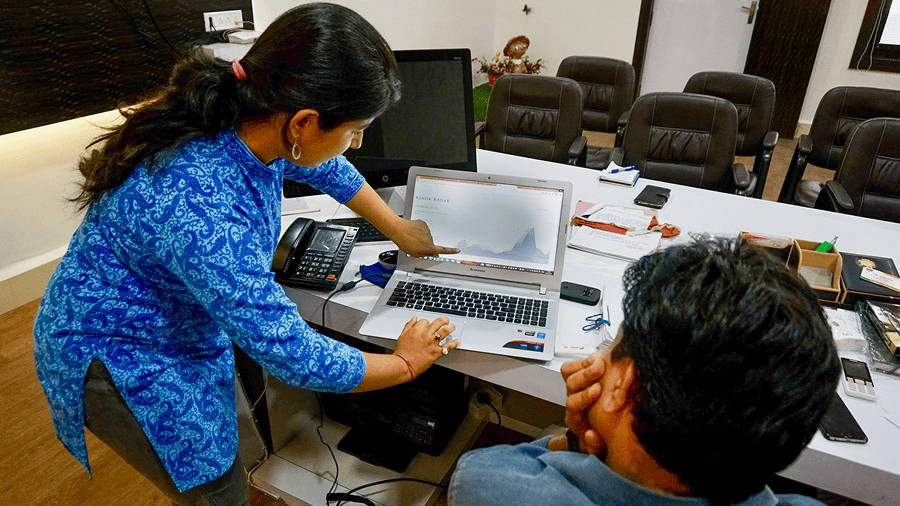
Student “data detective” untangles India’s rural wage-payment system
Rebecca Cohen
Wage payments in India’s rural employment program are supposed to be processed within 15 days, but they often take longer. Through a paid International Policy Center assistantship, Ford School graduate student Caroline Bach dug into years of records from India to help identify which local officials handle wage-payment work and whether they engage with information meant to cut delays.
About Michigan Research
Michigan Research is the University of Michigan’s flagship monthly e-newsletter, produced by the Office of the Vice President for Research. Each edition spotlights groundbreaking U-M research and scholarship that addresses critical challenges, sparks innovation and shapes the future across a range of disciplines.