
Adaptive Research, Scholarship and Creative Practice
Creating momentum for impactful research, scholarship and creative practice
When partnerships, sponsors, publishers or other opportunities feel uncertain, it is easy to wonder whether now is the right time to write, submit, apply, revise, pitch, exhibit, pivot or wait. But not every valuable scholarly or creative move depends on immediate certainty. The better question is: what can be done now to adapt, strengthen the work and be better positioned for the next opportunity?
An adaptive approach focuses on the steps that create value beyond a single outcome. Even when a proposal, application, pitch or other opportunity does not move forward as planned, the effort serves to sharpen ideas, strengthen collaborations, generate early outputs and increase readiness for what comes next.
For some faculty, the next opportunity may be a federal call or foundation proposal. For others, it may be a manuscript, exhibition, performance, residency, commission, community partnership, policy window or new collaborative direction. Although momentum looks different across disciplines and career stages, the underlying principle is the same: identify actions that keep work visible, developing and positioned for future opportunities.
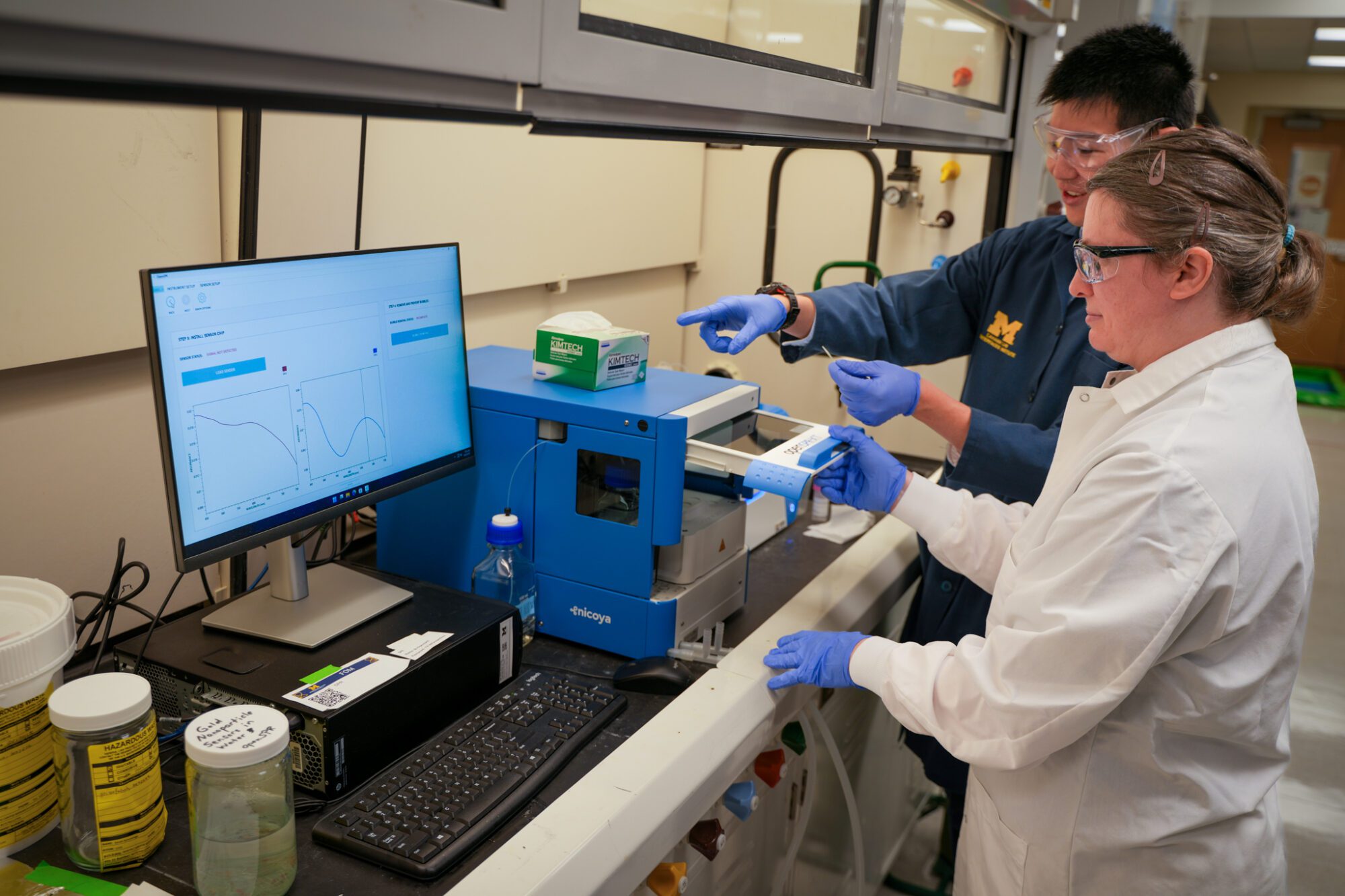
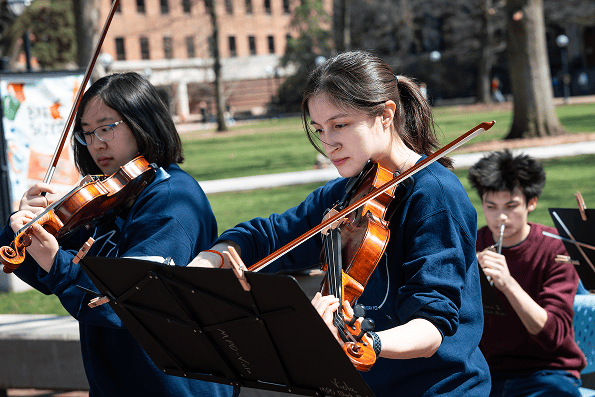
Moves that protect progress, adapt to the moment and maintain momentum
Prudent behavior doesn’t have to mean stepping back or pausing. It can mean being more selective, strategic and adaptive. When the timing of funding opportunities is unclear, many opportunity-related actions are worth taking.
Preparing now can help faculty, scholars and artists move quickly when announcements are released and respond more confidently to shifting requirements.
Taking time without deadline pressure, to clarify the central idea, refine the project scope, identify partners, gather preliminary information, align roles and build readiness can greatly strengthen future submissions, applications, manuscripts, performances and projects.
Adapting to the changing path: why opportunity-development work matters
Serious efforts to pursue external support or a next opportunity are essential and valuable. This work can:
- sharpen research, scholarly or creative vision
- clarify the next compelling question, project or body of work
- strengthen the narrative, framing or argument
- identify new collaborators, partners or audiences
- strengthen the team and existing partnerships
- generate early outputs, sample materials or proof of concept
- surface alternate funders, venues or opportunity pathways
- improve readiness for future opportunities
Clarify the next steps
The goal is not to do everything before the opportunity exists. The goal is to avoid losing momentum while waiting. If a full proposal, application or project plan cannot move forward until a funding announcement is released, pivot to: What can we do now to be as ready and well-positioned as possible when the opportunity arises?
Suggested steps:
- Draft or refine the central project concept.
- Convene the core team and clarify who needs to be involved.
- Clarify roles, responsibilities and decision points within the team.
- Identify missing expertise, partners, collaborators or community connections.
- Develop a one-page concept summary that can be shared with potential partners or funders.
- Map likely aims, activities, outcomes or deliverables.
- Identify preliminary data, evidence, examples or prior work that could strengthen the case.
- Begin discussing budget assumptions, staffing needs, timelines or institutional commitments.
- Scan adjacent funders or alternative pathways in case the expected opportunity changes, narrows or is delayed.
- Identify what support would be needed from OVPR, research development, foundation relations, corporate relations or unit leadership.

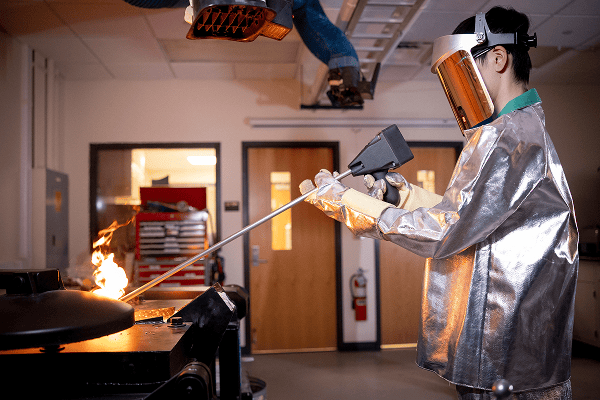
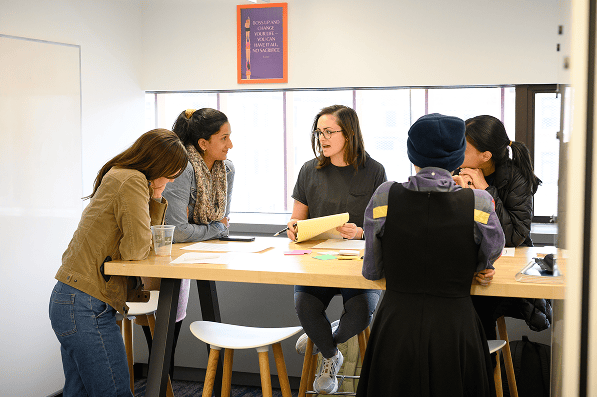
Treat this moment as an opportunity for idea development
Developing a proposal, application, pitch or project concept can help refine thinking, clarify contributions and reveal what still needs strengthening.
Diversify
Identify adjacent funders, publishers, venues, mechanisms, partnerships, residencies, commissions or other opportunities now rather than later.
Keep conversations moving
Reach out to a collaborator, mentor, editor, program officer, curator, partner or research development contact. One focused conversation can restore momentum faster than trying to solve everything alone.
Try this now
20-Minute Reset
Set a timer for 20 minutes and write down:
- one idea, project or body of work worth keeping alive
- one funder, venue or opportunity to explore
- one person to connect or reconnect with
- one next step you can take this week
Do not aim for a full strategy. Aim for motion.
Questions to ask yourself
- What can I do now that will still matter if conditions remain unsettled?
- What part of my project, argument, body of work or creative direction is strong enough to keep building?
- What would help me prepare for the next opportunity?
- Am I treating this moment as a stop sign when it may actually call for a different route?
- What is one move I can make now that my future self will thank me for?
Watch for these traps
Equating uncertainty with impossibility
Conditions may be slower or narrower, but that is not the same as having no path forward.
Waiting for full clarity
Perfect certainty may not come before the next smart move becomes visible. Often, clarity comes through action.
Treating every proposal, application or opportunity as all or nothing
A proposal, application, pitch or project concept still creates value if it becomes a concept paper, resubmission, partnership-building exercise, public-facing output or foundation for a different opportunity.
Isolating
Uncertainty tends to narrow perspective. Talking with the right person can widen it again.
A BETTER SCRIPT
Instead of asking: “Is it even worth pursuing this right now?”
Ask: “What version of this work is worth advancing now?”
That question keeps the focus on strategic motion rather than all-or-nothing thinking.
BOTTOM LINE
Adaptive momentum is not about pushing through or pursuing every opportunity. It is about making thoughtful moves that strengthen work, protect options and keep research, scholarship and creative practice moving forward.
In uncertain times, momentum itself is an asset.