
Decreasing chemotherapy toxicity through gene testing
By Kate Barnes
When something is not working like it should, we often refer to an instructional manual for guidance on how to make an adjustment or repair.
In the human body, those manuals are our genes.
These tiny, important strands of information provide a roadmap for how our bodies carry out necessary functions. They can also tell us what adjustments we need to make during a repair process.
In an effort to improve cancer treatment response, University of Michigan researchers are exploring the use of patients’ unique instructional manuals to better tailor chemotherapy through pharmacogenetic testing. By definition, pharmacogenetic testing is “a medical test that looks at how your genes affect the way your body breaks down and responds to medications”.
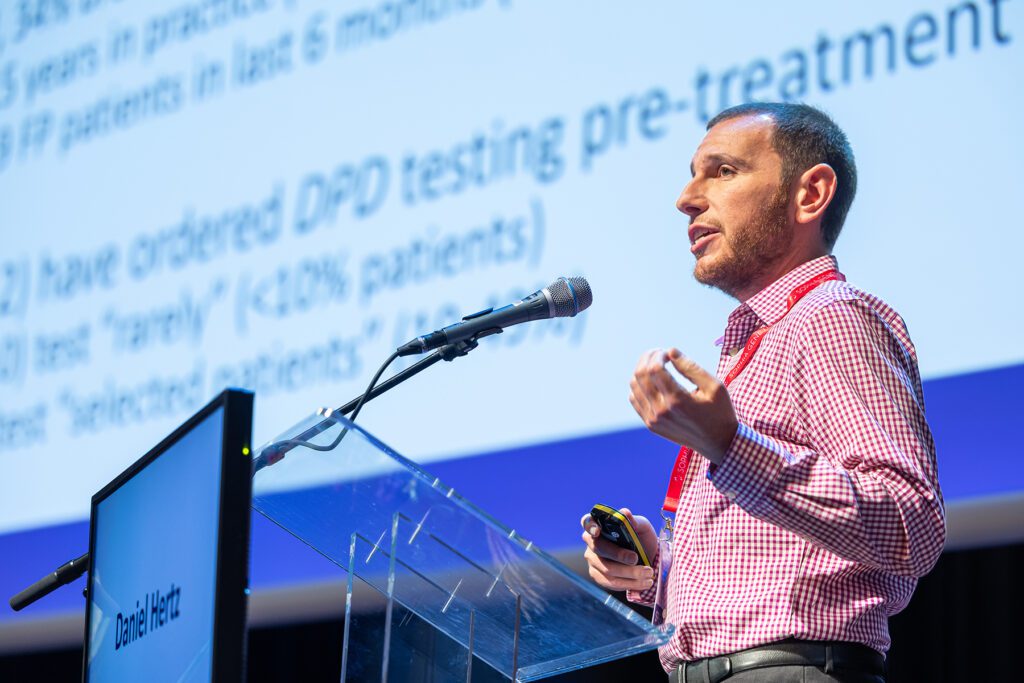
The research team, led by Daniel Hertz, is specifically looking at the DPYD gene, which can carry variants that slow drug breakdown, leading to a toxic buildup of chemotherapy in the body.
“This study is a first of its kind in this field. By demonstrating clinical utility from real-world analyses, we are looking to broaden the implementation of pharmacogenetic testing to personalize treatment and ultimately improve health outcomes for millions of people.”
Hertz, an associate professor of clinical pharmacy, is hoping to not only identify more DPYD variants through this testing but to also build best practices for implementing the testing process across all health systems.
“This testing process has historically been limited due to a lack of clinical utility,” Hertz said. “By gathering more data through expanded testing we can provide the real-world data to clinicians and healthcare providers to ultimately decrease the toxicity of fluoropyrimidine chemotherapy without reducing its efficacy.”
Clinical utility – how much a medical test, treatment or technology improves patient health outcomes and helps doctors make better care decisions – is a crucial measurement in health care settings as it helps to guide decisions and justify resource spending.
Currently, Hertz and his colleagues are working in 15 clinical sites nationwide that are already conducting DPYD pharmacogenetic testing, including the U-M Rogel Cancer Center, to examine how personalizing the dosage or switching to a different type of medication might impact patient outcomes.
Hertz’s study team includes U-M faculty working across multiple disciplines including pharmacogenetics, oncology, pharmacy, mental health, cardiovascular disease and statistics. The project received initial funding support through the Bold Challenges Boost Program and was later supported by the American Cancer Society.
Bold Challenges, an initiative led by U-M’s Office of the Vice President for Research, leads events and programs to empower researchers to create dynamic teams and produce transformative discoveries.
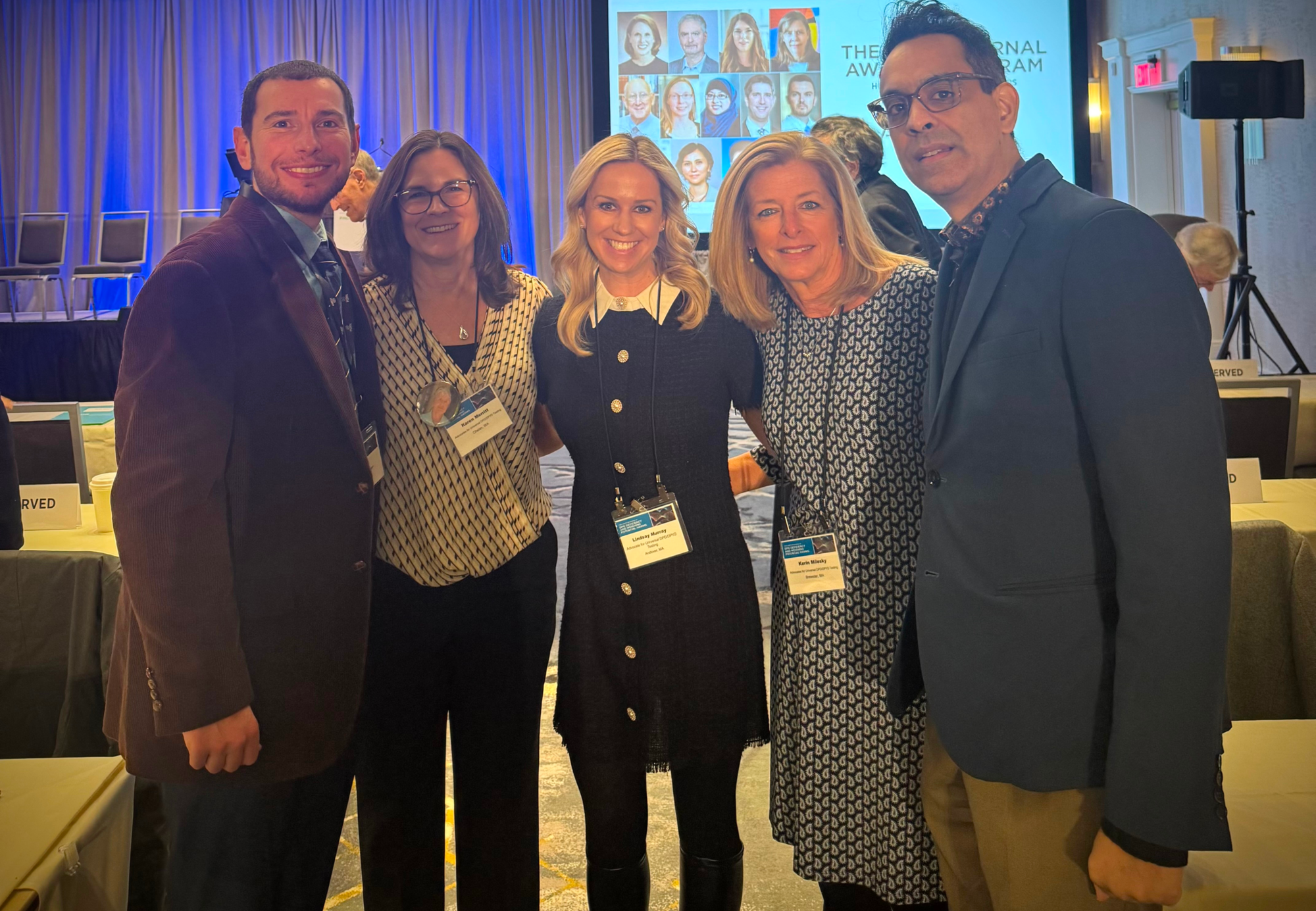
While the scope of the work is growing, it has already made a significant impact. In partnership with a patient advocacy group, Advocates for Universal DPYD/DPD Testing, for which Hertz is a medical advisor, the U.S. Food and Drug Administration (FDA) updated the drug labels for chemotherapy medications capecitabine and 5-fluorouracil to state that pre-treatment DPYD testing should be conducted. Oncology clinical practice guidelines from the American Society of Clinical Oncology (ASCO) and the National Comprehensive Cancer Network (NCCN) have also recently been updated to recommend testing prior to treatment.
What is the team hoping to do next? They are working to generate evidence to support the benefits of testing and to also identify additional DPYD variants. By identifying additional variants, they hope to be able to identify more at-risk patients who can receive reduced doses that are safe and effective. The team is also working to build the evidence base and infrastructure for this testing to be used for other medications beyond chemotherapy treatment.
“This study is a first of its kind in this field,” Hertz said. “By demonstrating clinical utility from real-world analyses, we are looking to broaden the implementation of pharmacogenetic testing to personalize treatment and ultimately improve health outcomes for millions of people.”