
Jacob Haus has lived with Type 1 diabetes since he was 11 years old.
Throughout his life, Haus found that sports and physical activity helped him stay strong and manage complications often seen in other long-term diabetes patients.
“I dedicated my studies not only to exercise physiology, but also molecular metabolism and the study of clinical diabetes,” said Haus, an associate professor of kinesiology at the University of Michigan. “When we put all these things together, we can think of my research program as ‘exercise medicine’ not only for diabetes, but other chronic diseases as well.”
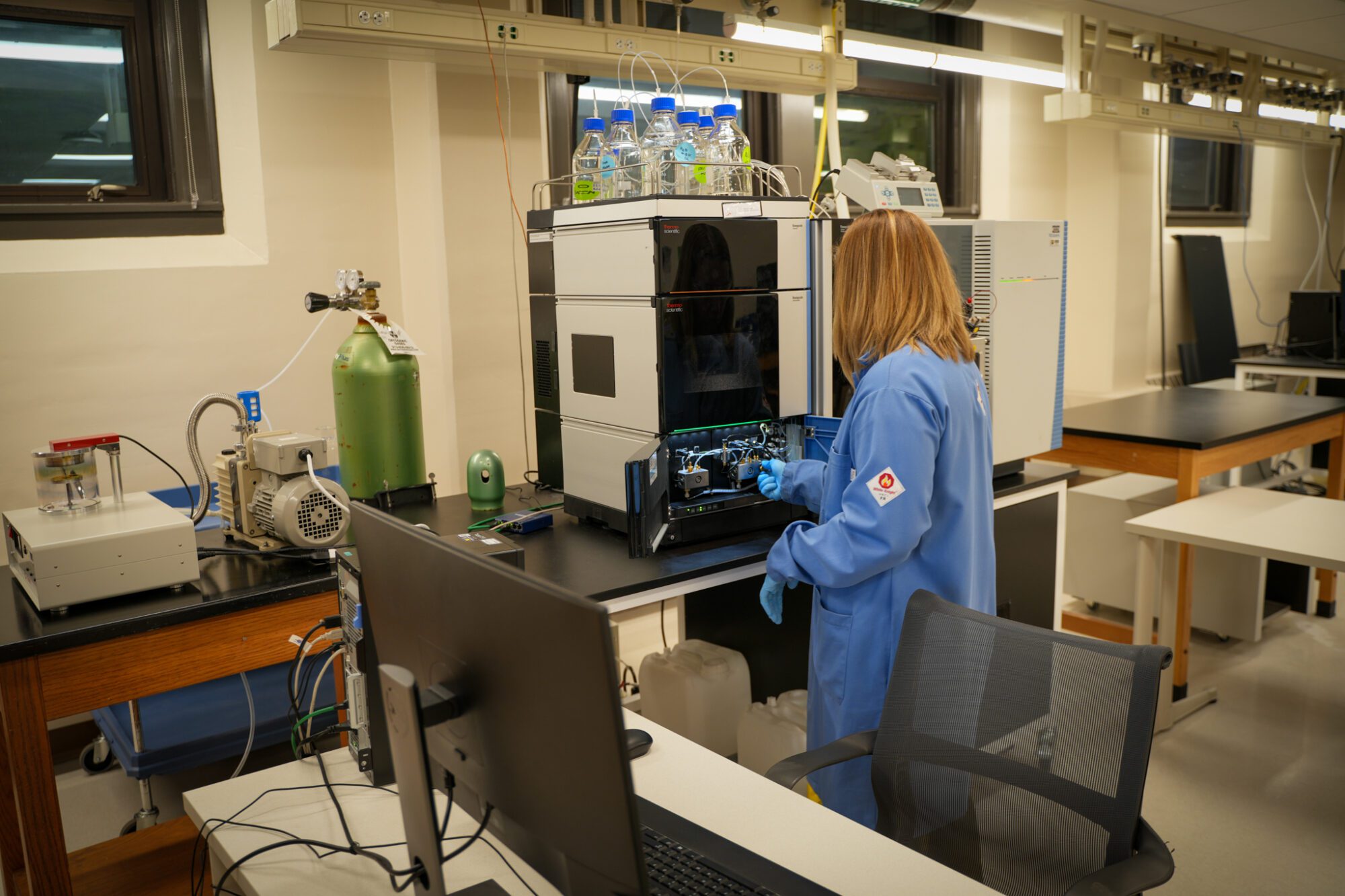
Setting up HPLC pumps by purging excess air from the lines. To do this, a purge valve on the pump must be opened.
Building on this foundation, Haus’s research investigates how aerobic exercise affects advanced glycation end products (AGEs) in adults with Type 2 diabetes. AGEs are compounds formed when sugars react with proteins or lipids. While they occur naturally as byproducts of metabolism, their accumulation is associated with diabetes, cardiovascular disease and other chronic conditions.
Haus’s project, a randomized controlled trial, tests whether aerobic exercise can reduce AGE levels. By studying these biomarkers, he aims to track disease progression and evaluate the protective effects of exercise.
To analyze AGEs, Haus relies on the Biological Mass Spectrometry Facility in U-M’s chemistry building. Managed by Carmen Dunbar, the facility provides researchers with high-quality data and trains graduate students in commercial instruments. In 2024 alone, it supported 38 U-M principal investigators and is open to external researchers, advancing scientific discovery beyond campus. Dunbar’s pharmaceutical background, including her experience at the CDC, has been critical to Haus’s success.
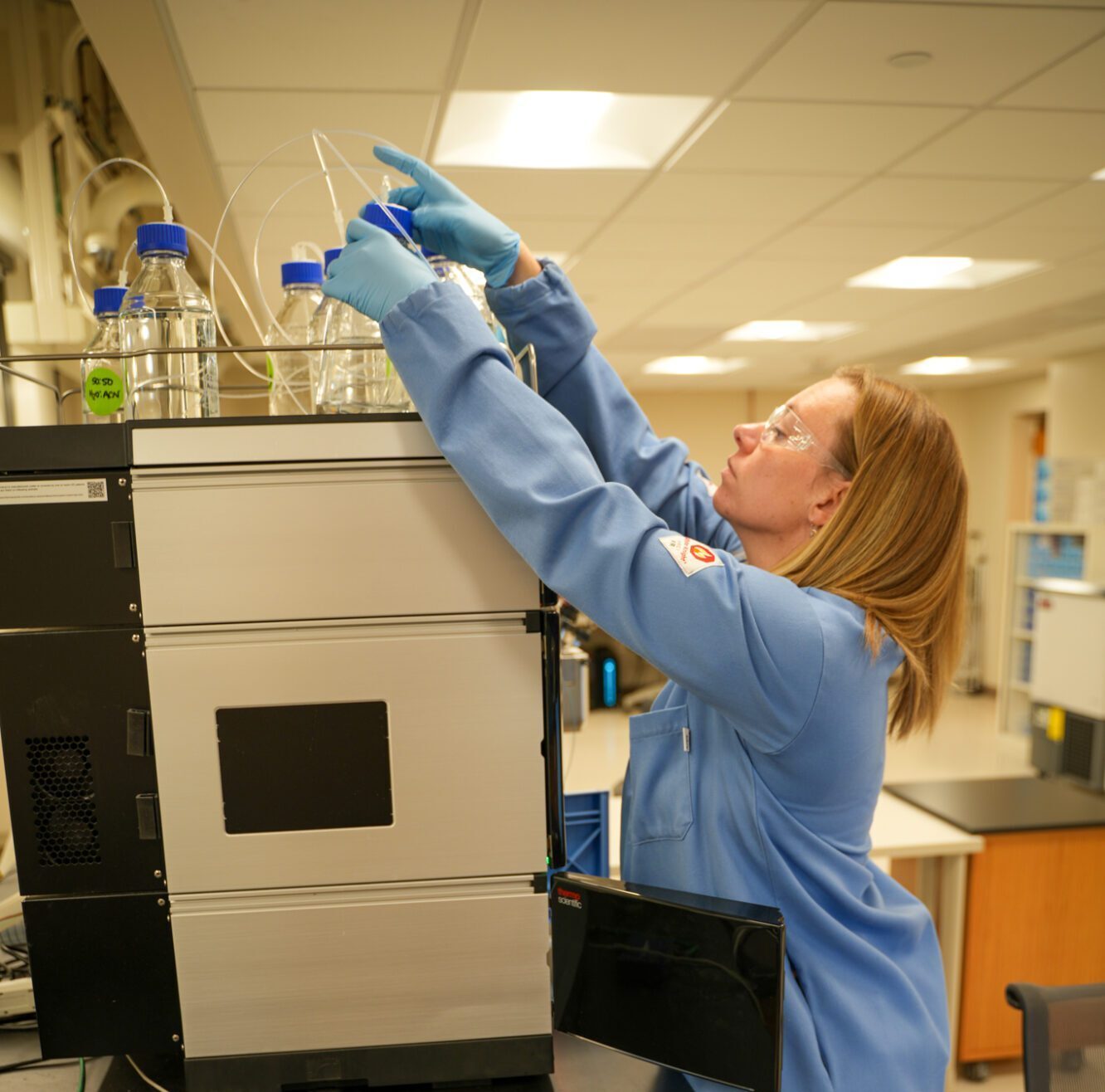
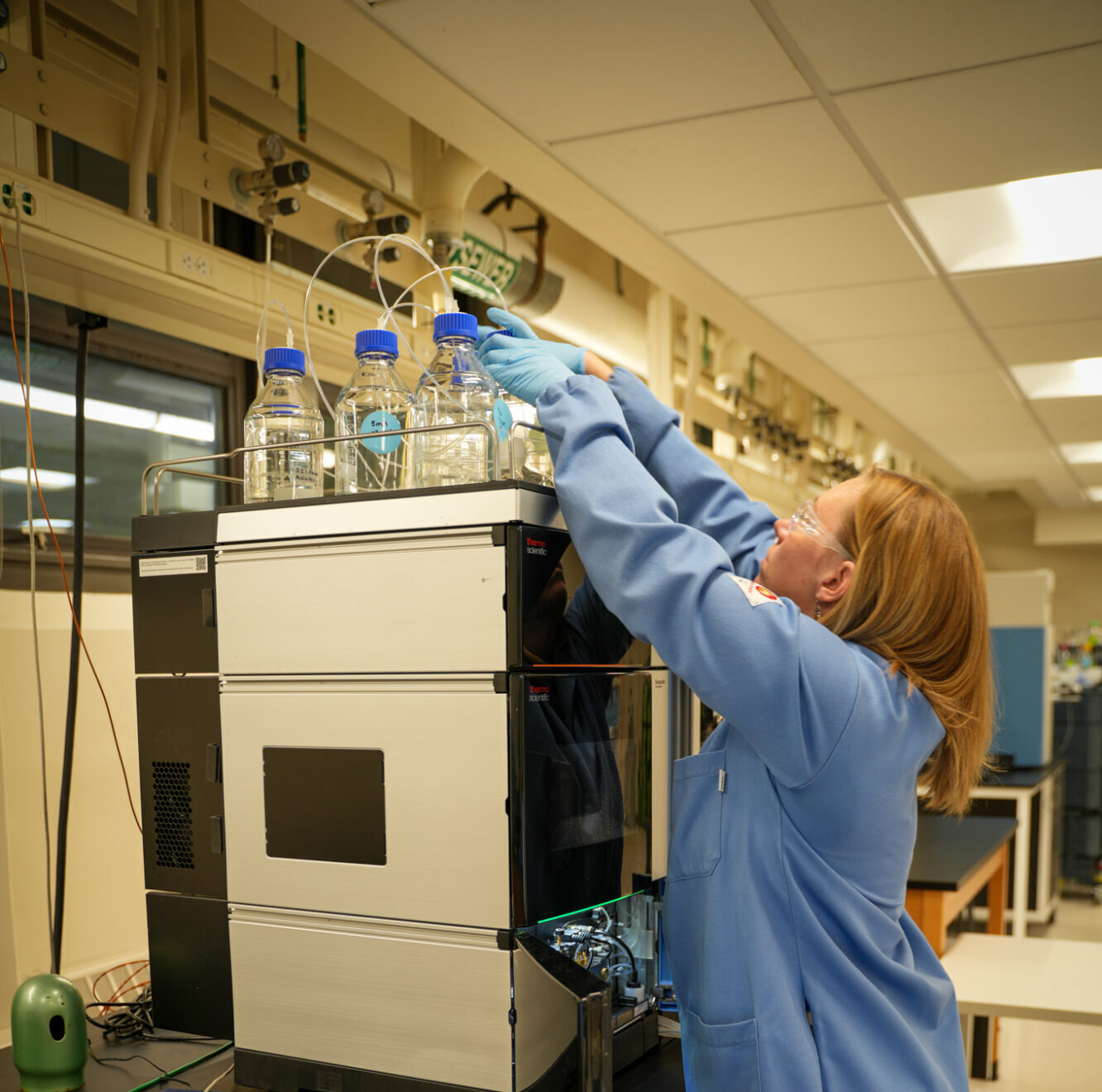
Checking the mobile phase bottles to ensure there is enough liquid in each of them. There are three bottles: one is mobile phase A, composed predominantly of water (aqueous) phase with some sort of ion pairing agent like an acid. Next is the mobile phase composed predominantly of acetonitrile (organic) phase. The last is a wash solvent that combines water and organic to wash the needle after each injection.
“My projects would not be moving forward without the core,” Haus said. “The scientific questions I’m asking depend on these measurements. Without this in-house equipment and Carmen’s expertise, I would have had to purchase my own instrument or seek collaborations elsewhere. When Carmen came on board with her industry background, my project was finally able to get off the ground, which speaks to her expertise. Now we’re putting out high-quality data.”
Research cores, like the Biological Mass Spectrometry Facility, are shared university facilities which offer specialized research services, equipment or expertise to U-M researchers, often at a recharge rate.
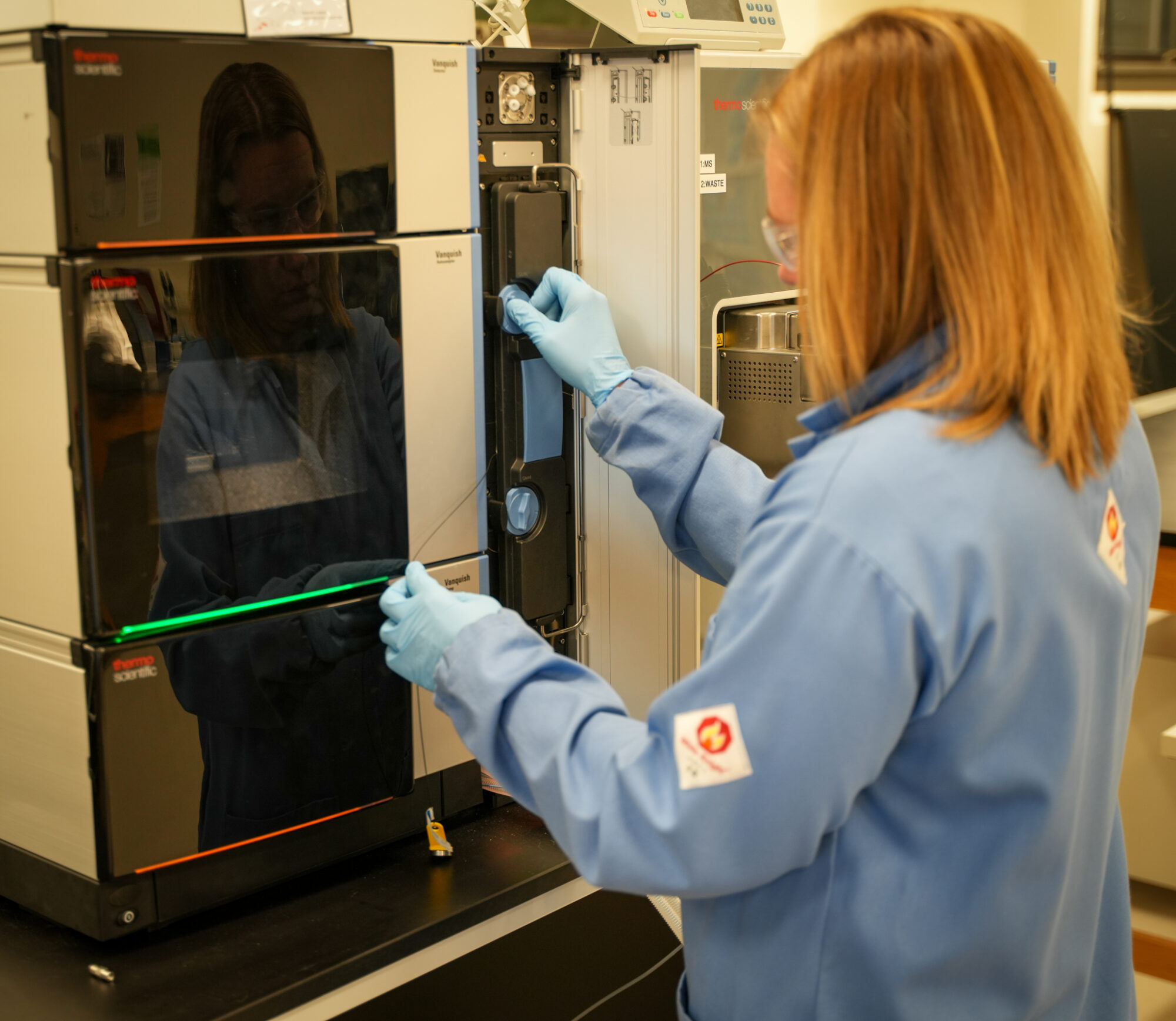
Closing up the column heater to ensure it stays at the correct temperature for the experiment.
Inside the lab, Haus begins by extracting AGEs from blood or tissue samples. After filtering the compounds from these samples, much like removing stones and sand from muddy water, Haus passes the extracted products to Dunbar, who processes them using high-performance liquid chromatography and mass spectrometry. This method precisely detects and measures tiny amounts of chemicals in samples ranging from blood to plants to river water. It first separates the ingredients in a mixture and then identifies and measures them by their mass.
Liquid chromatography acts as the sorter. The sample is injected into a column, similar to pouring a mixed bag of Skittles into a long tube filled with material that slows some colors more than others. As the liquid flows through, the different chemicals in the sample separate and come out at different times. Each chemical has a “finish time,” known as its retention time.
Mass spectrometry acts as the identifier and scale. During this part of the process, the molecules of each separated chemical exiting the tube are turned into ions, or charged particles. They are then weighed and graphed on a mass spectrum, showing which ions are present and in what quantities.
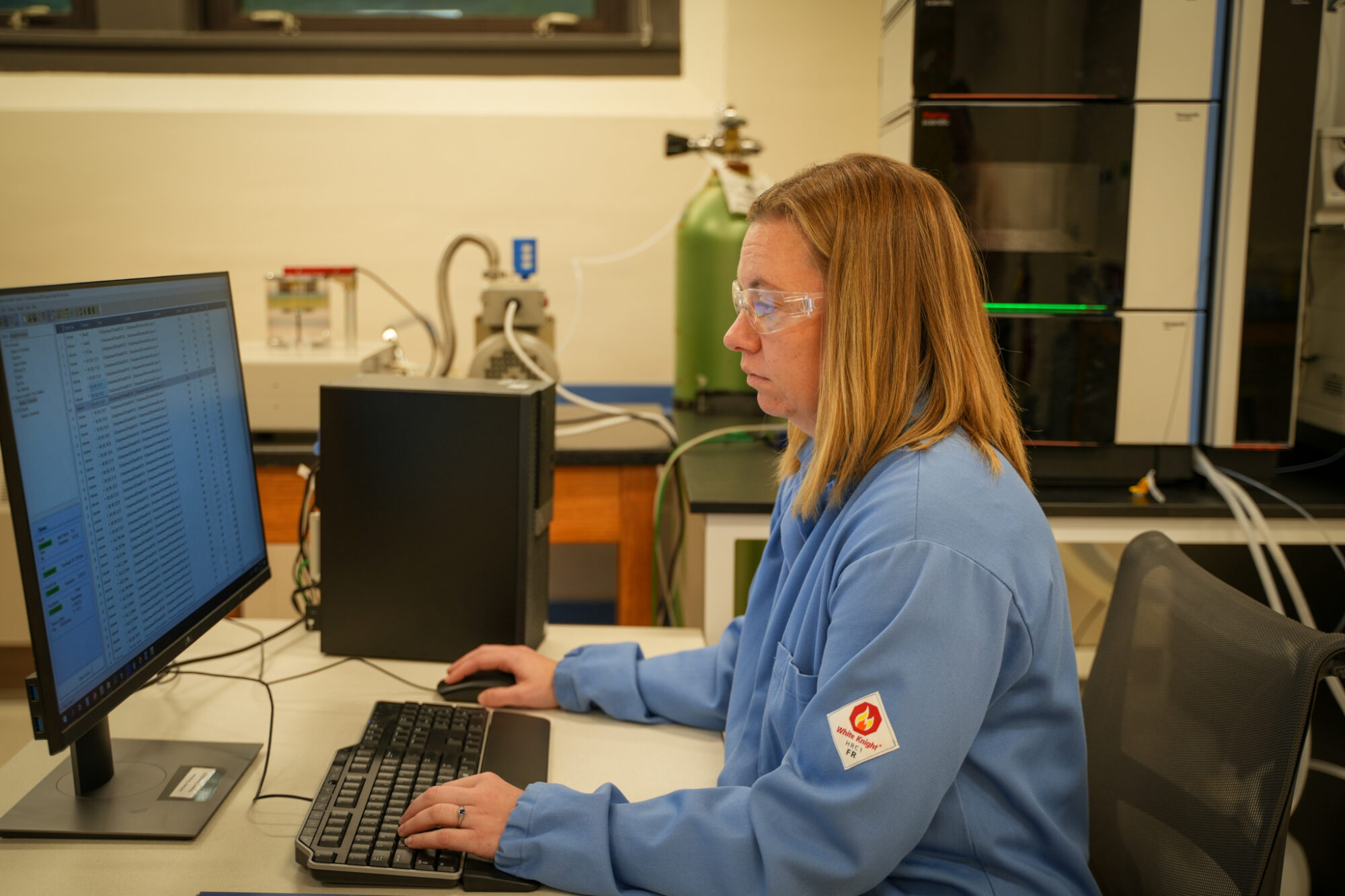
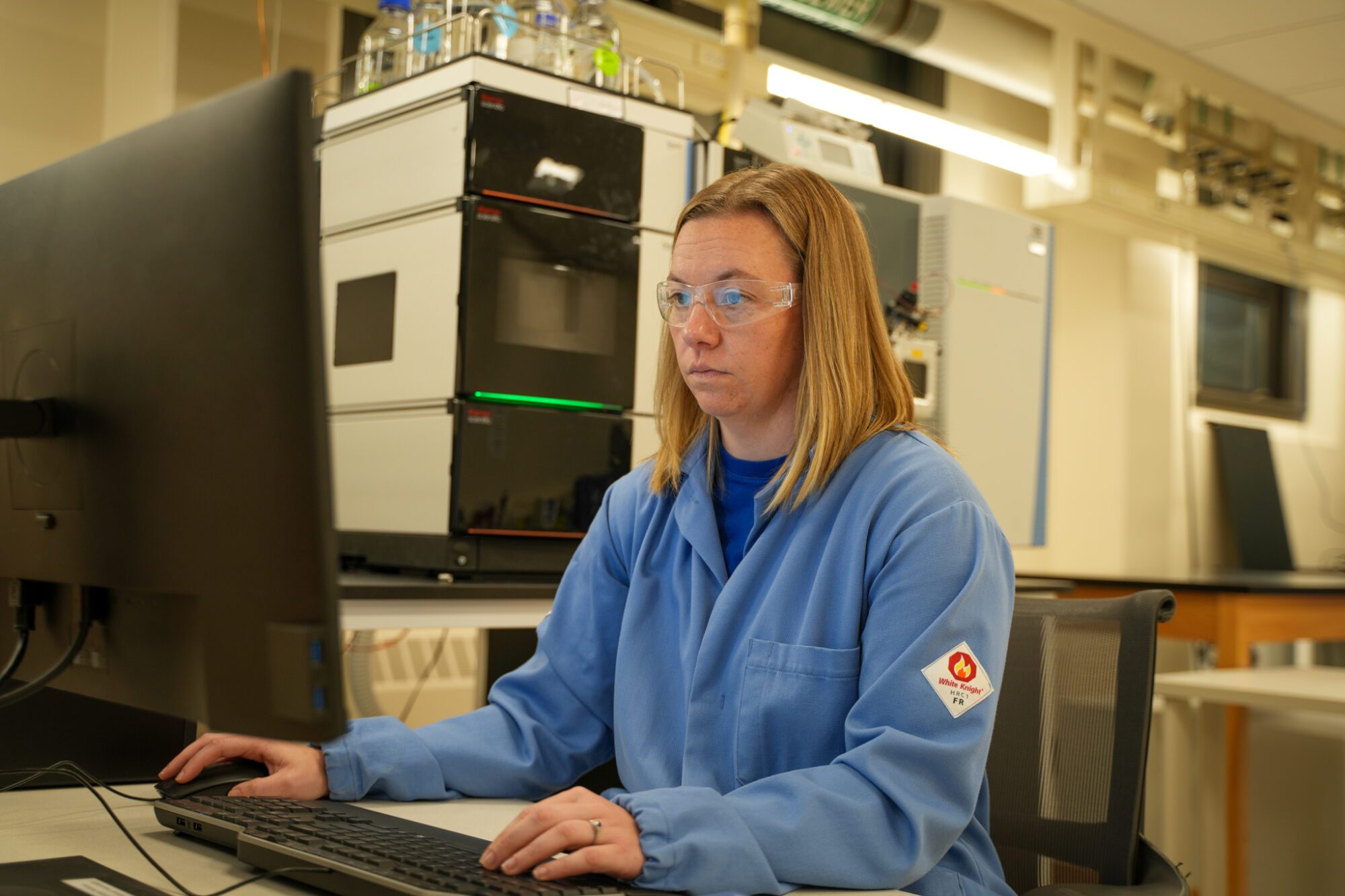
Carmen Dunbar – Managing Director, Biological Mass Spectrometry Facility
Setting up the acquisition sequence for the experiment.
“There’s no need for researchers to spend 20 hours learning how to run a mass spectrometer,” Dunbar said. “I bridge the gap between scientific questions and the technical side of mass spectrometry. Researchers explain what they want to accomplish, and I help them get the data they need.”
The core is supported internally by the Department of Chemistry and Life Sciences Institute and from the National Institutes of Health, the National Science Foundation and other granting agencies. These investments and partnerships make the facility’s specialized services possible.
“From my project perspective, mass spectrometry analysis is the gold standard,” Haus said. “There are other methods, but they pale in comparison to the resolution and the sensitivity that the mass spec can provide. That’s what helps distinguish my work from others doing this type of work.”
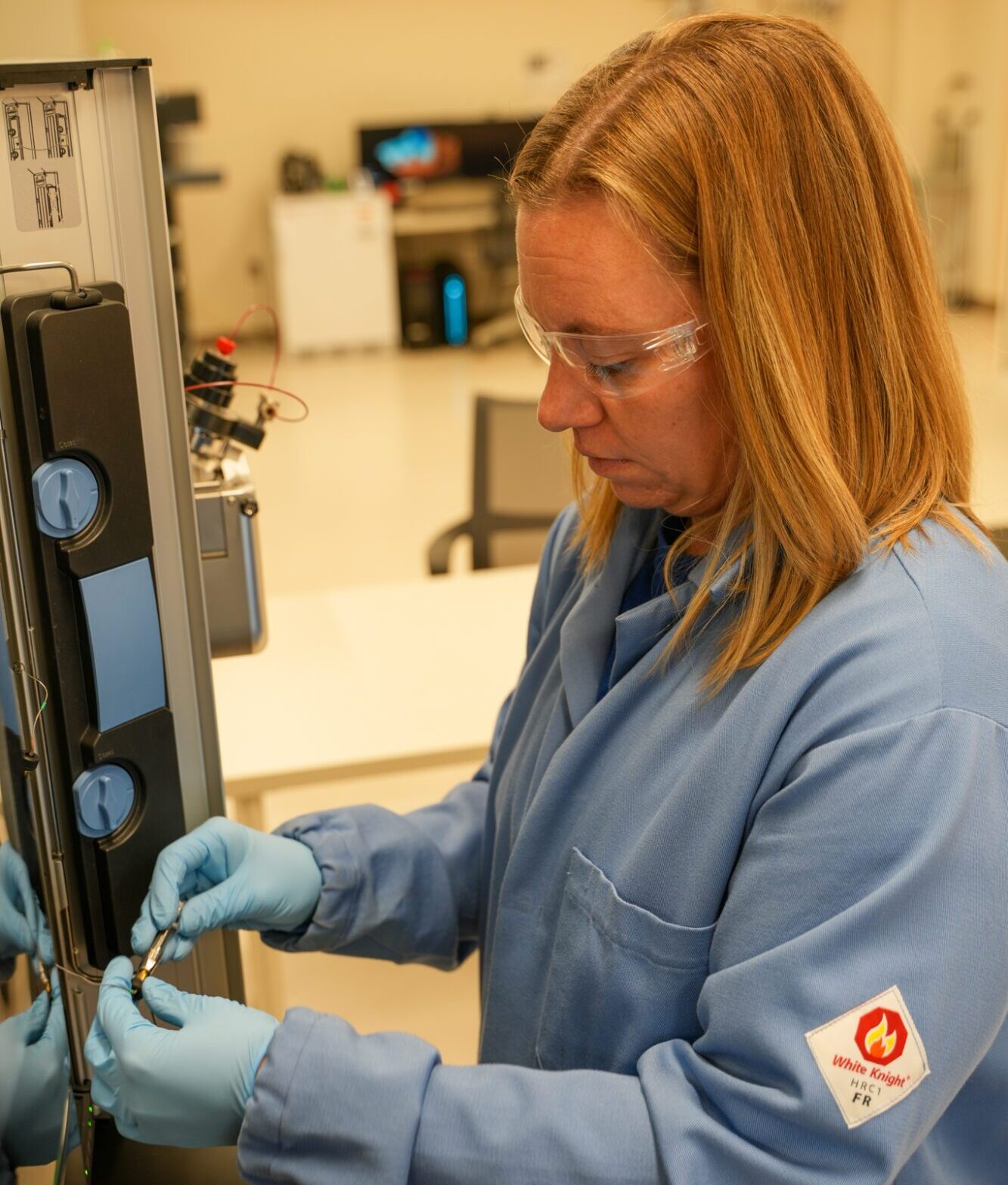
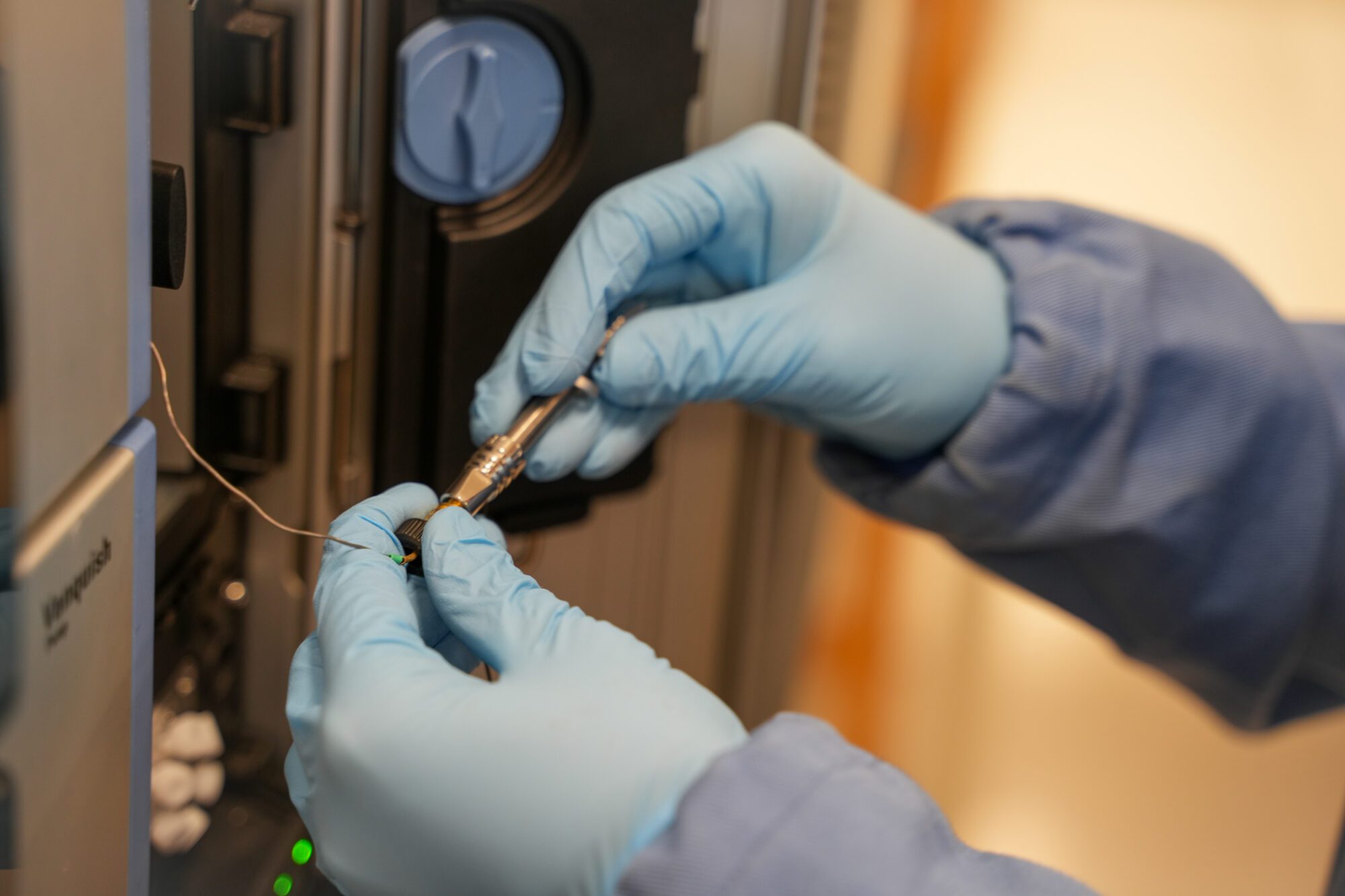
Connecting the HPLC column. This is what the samples are loaded onto and what allows for the separation of different compounds.