By the Numbers: University of Michigan Faculty Honors

By Kelsey Keeves

The University of Michigan is a world-leading university known for its impressive academic programs, historic campus and national championship football program. It is also one of the world’s most renowned research universities.

From increasing the capacity of manufacturing systems, to understanding how our brain’s biology affects our emotions, the university’s talented historians, sociologists, scientists, engineers and physicians work on a wide range of subjects to further our understanding of the world around us.

And for their amazing work, U-M faculty have collectively earned an impressive number of prestigious awards and academic honors.

The honors, prizes and awards U-M faculty have received strengthen the university’s ability to lead on a national stage in topics from medicine and health to art and history. They include:

272

Fellows of the American Association for the Advancement of Science

150

Members of the National Academies of Science, Engineering, and Medicine (NASEM)

95

Members of the American Academy of Arts & Sciences

96

Guggenheim Fellows

13

Recipients of National Medals (Science, Humanities, Technology, and the Arts)

To learn more about the national and international honors received by University of Michigan faculty, visit facultyhonors.umich.edu. The website highlights the prestigious awards, fellowships and elected society memberships across disciplines, from the sciences, engineering and medicine to the humanities, social sciences and creative arts.
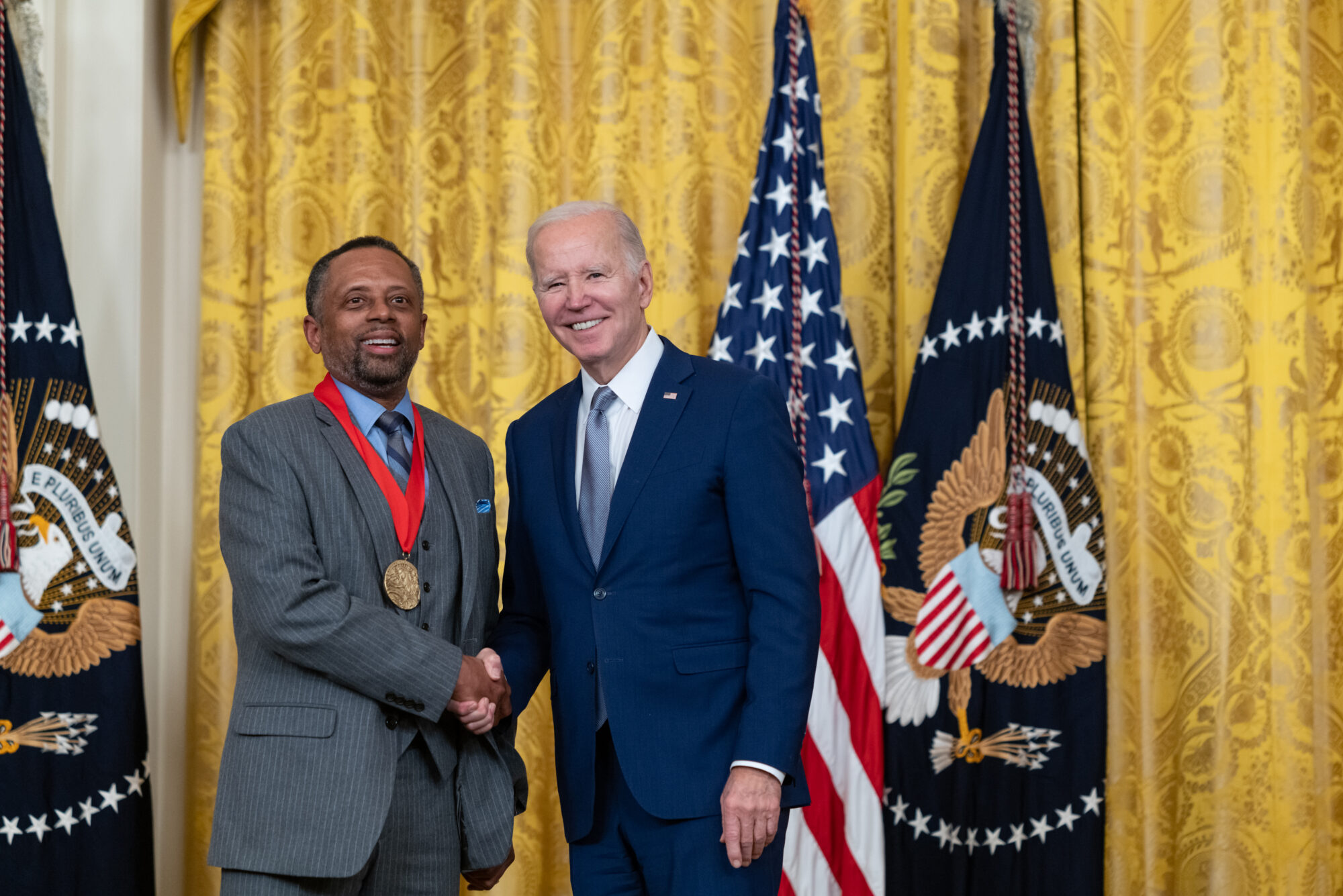
Earl Lewis

Earl Lewis, Thomas C. Holt Distinguished University Professor of History, Afroamerican and African Studies, and Public Policy, received the National Humanities Medal in 2023 in recognition of his scholarship and contributions to the study of the role of race in American history. Lewis is the first U-M faculty member to receive this prestigious award.

Lewis is a social historian, award-winning author and founding director of the University of Michigan Center for Social Solutions. He is also president emeritus of The Andrew W. Mellon Foundation.

The National Humanities Medal, inaugurated in 1997, honors individuals or groups whose work has deepened the nation’s understanding of the humanities and broadened our citizens’ engagement with history, literature, languages, philosophy and other humanities subjects.

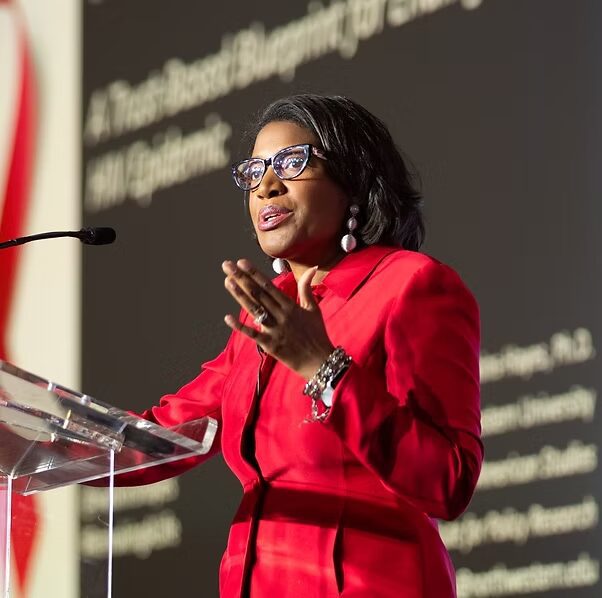
Celeste Watkins-Hayes

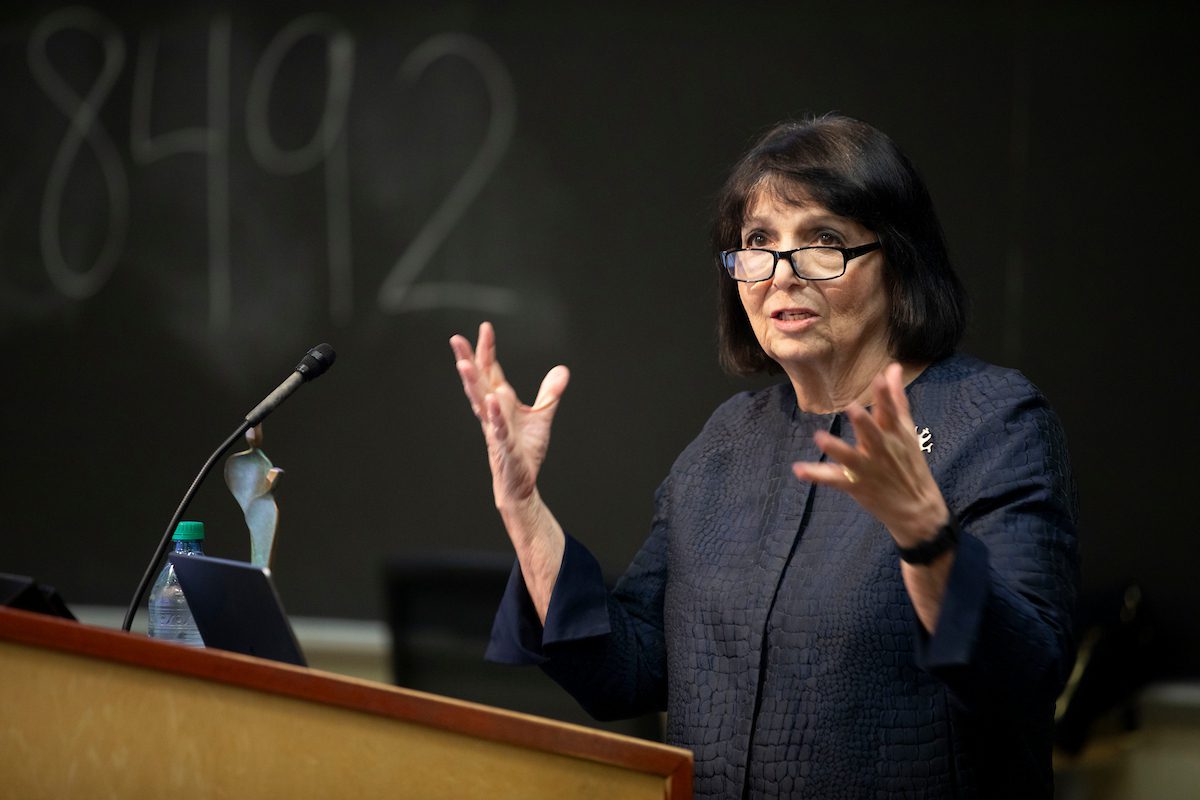
Celeste Watkins-Hayes, the Joan and Sanford Weill Dean of Public Policy, the Jean E. Fairfax Collegiate Professor of Public Policy, University Diversity and Social Transformation Professor and professor of sociology, was inducted to the American Academy of Arts and Sciences (AAAS) in 2025. Her research explores the intersection of inequality, public policy and human service institutions, with a special focus on HIV/AIDS, poverty, race, class and gender studies.

Watkins-Hayes was also also recently elected to the American Academy of Political and Social Science and the National Academy of Public Administration.

The AAAS is both an honorary society that recognizes and celebrates the excellence of its members and an independent research center convening leaders from across disciplines, professions, and perspectives to address significant challenges.

Dawn Tilbury

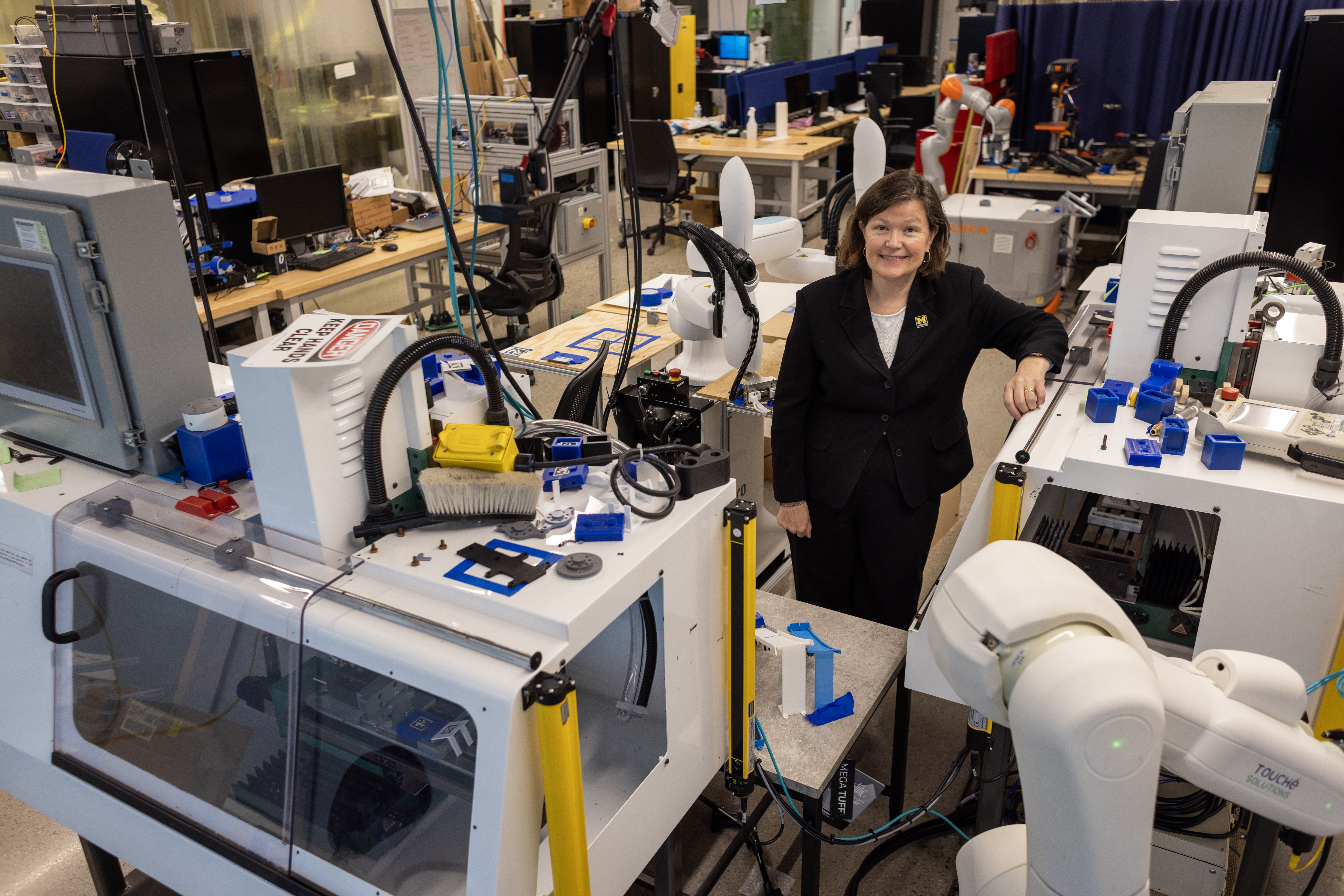
Dawn Tilbury, Herrick Professor of Engineering and a professor of mechanical engineering and of electrical and computer engineering, was elected to the National Academy of Engineering (NAE) in 2024. The honor is in recognition of her pioneering work in manufacturing network control and human-robot interaction, including digital twins, managing the health of manufacturing systems and reconfiguring such systems.

The NAE advances the welfare and prosperity of the nation by providing independent, objective advice to the U.S. government whenever called upon to do so, and by promoting a vibrant engineering profession and public appreciation of engineering. The NAE is part of the National Academies of Sciences, Engineering, and Medicine, an independent, nonprofit organization chartered by Congress to provide objective analysis and advice to the nation on matters of science, technology, and health.

Huda Akil

Huda Akil, Gardner C Quarton Distinguished University Professor of Neurosciences and professor of psychiatry and Michigan Neuroscience Institute research professor, received the the National Medal of Science for her discoveries about the roots of emotions, depression, pain and addiction in brain biology and their impact on humankind’s understanding of depression, anxiety, addiction and more. She is the eighth member of the U-M faculty to receive the honor.

Established in 1959 by the U.S. Congress, the National Medal of Science is the highest recognition the nation can bestow on scientists and engineers. The presidential award is given to individuals deserving of special recognition by reason of their outstanding contributions to knowledge in the physical, biological, mathematical, engineering, or social and behavioral sciences.

Patrick Carter

Patrick Carter, University of Michigan Medical School professor of emergency medicine and School of Public Health professor of health behavior and health equity, was elected to the National Academy of Medicine in 2023 for his unique contributions to the field of firearm injury prevention.

Carter also serves as the co-director of the Injury Prevention Center and Institute for Firearm Injury Prevention. His research focuses on the development, testing and implementation of emergency department-based interventions to decrease firearm violence, youth violence and associated risk behaviors such as substance use among high‐risk urban youth populations.

National Academy of Medicine membership is one of the highest honors in the fields of health and medicine and recognizes individuals who have demonstrated outstanding professional achievement and commitment to service.

Zhen Xu

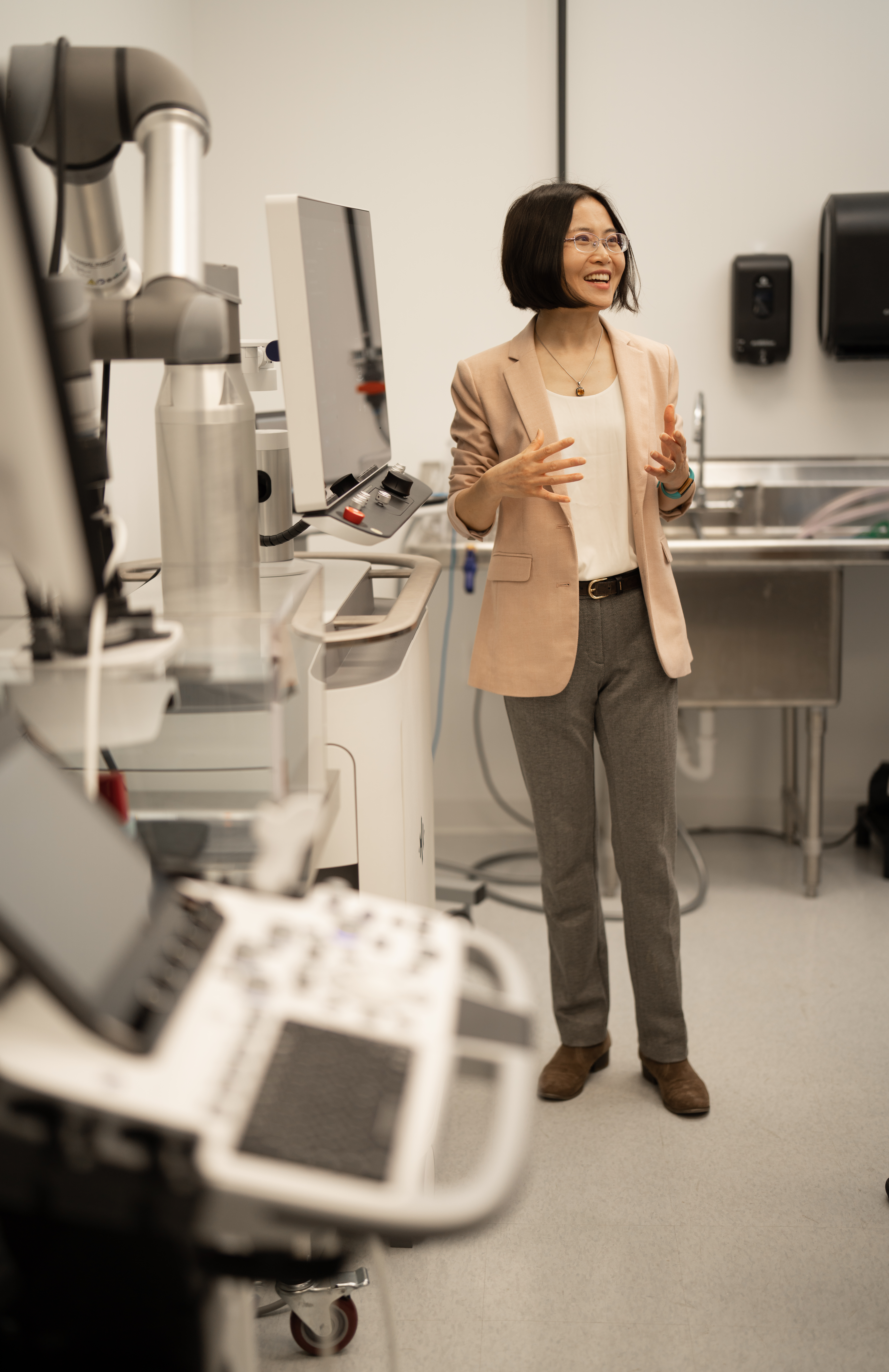
Zhen Xu, Li Ka Shing Professor of Biomedical Engineering, and professor of biomedical engineering, radiology and neurosurgery, was named a 2024 Fellow by the National Academy of Inventors in recognition of her groundbreaking work in histotripsy.

Her research on histotripsy, a non-invasive technique for treating cancer that uses sound waves to break down tumors, has led to the U-M startup HistoSonics, which received clearance from the U.S. Food and Drug Administration for its Edison device to treat liver tumors.

This distinguished recognition is extended to a select group of globally-recognized leaders who have demonstrated a prolific spirit of innovation through their outstanding inventions.

Benjamin Brose

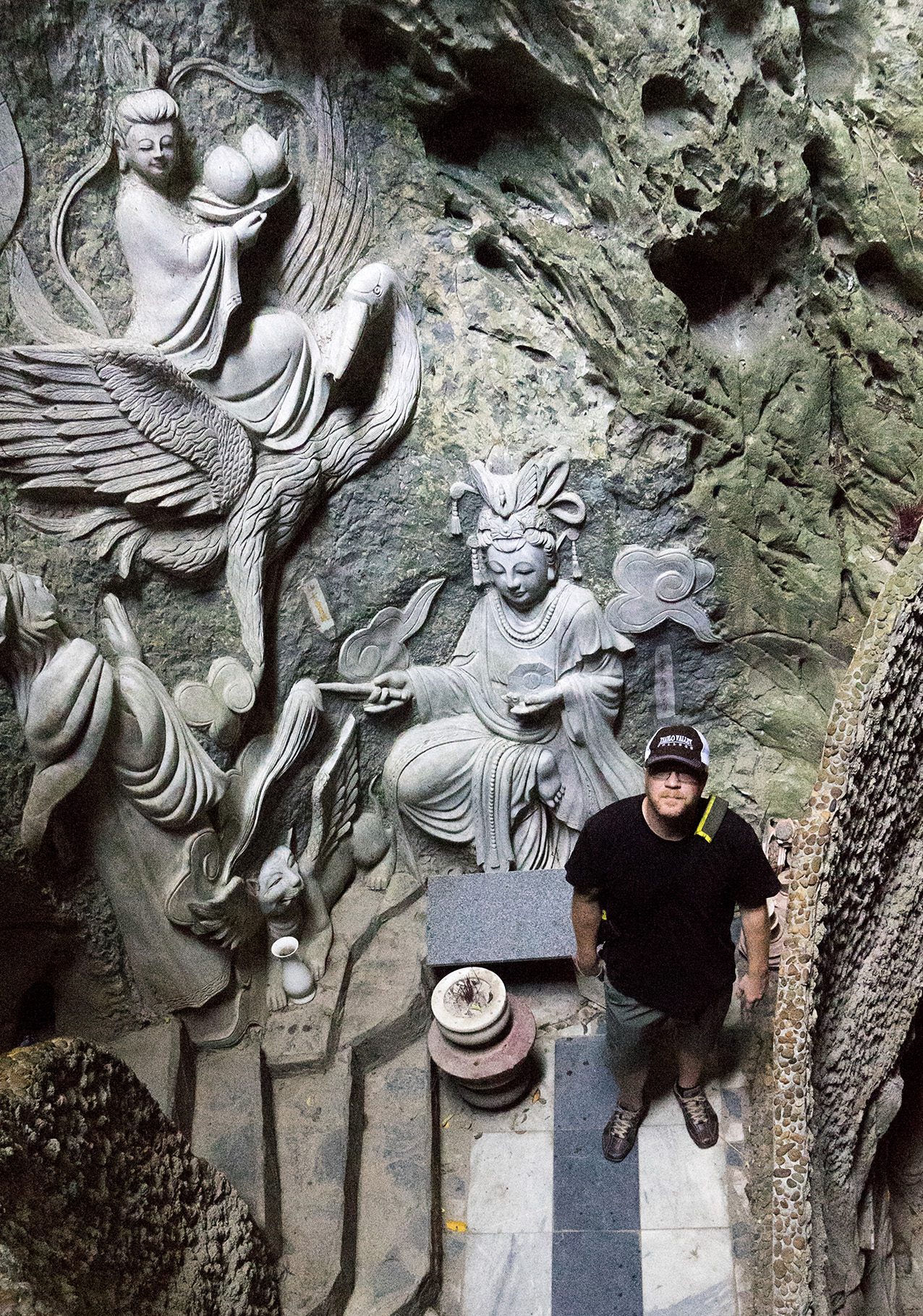
Benjamin Brose, professor of Chinese and Buddhist studies, received the prestigious 2025 Guggenheim Fellowship for his distinguished achievements and exceptional promise for future accomplishment.

His work focuses on the history of Buddhism in China and cultural exchange in East Asia.

The fellows were chosen through a rigorous application and peer review process from a pool of nearly 3,500 applicants. Each fellow receives a monetary stipend to pursue independent work at the highest level under “the freest possible conditions.”

Brose’s project is on the extraordinary record of Gao Henian (1872­-1962), a 19-year-old scion of a wealthy family. In winter 1890, Gao traveled thousands of miles on foot to visit a succession of Buddhist and Daoist mountains and meet with the eminent monks and adepts who lived there.

He also received the 2024 Dan David Prize, which is awarded to outstanding early and mid-career scholars and practitioners in the historical disciplines in recognition of significant contributions to the study of the past.